

Table of Contents
ToggleThe best interior design starts with a clear vision and practical choices. Whether someone wants to refresh a single room or reimagine an entire home, the right design approach makes all the difference. Good interior design blends personal taste with functional solutions. It creates spaces that feel comfortable, look appealing, and work for everyday life.
This guide covers essential strategies for achieving standout interior design. Readers will learn how to identify their personal style, explore current trends, and apply practical tips that deliver real results.
Key Takeaways
- The best interior design blends personal style with functional solutions that work for everyday life.
- Identify your design preferences by collecting images and considering your lifestyle needs before making choices.
- Layer lighting with ambient, task, and accent sources to create dimension and warmth in any room.
- Establish a focal point in each space and arrange furniture proportionally to maintain visual balance.
- Balance aesthetics with durability—choose materials that handle real-world use while looking great.
- Edit ruthlessly, as the best interior design often involves removing clutter rather than adding more décor.
Understanding Your Personal Style
Great interior design reflects the people who live in a space. Before choosing furniture or paint colors, homeowners should spend time identifying what appeals to them.
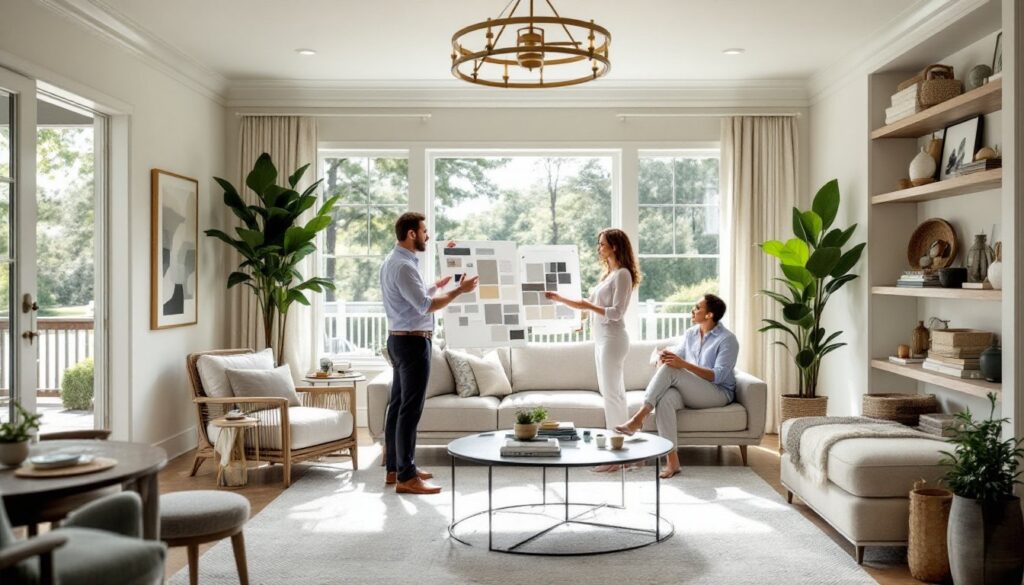
Start by collecting images. Pinterest boards, magazine clippings, and saved Instagram posts reveal patterns in taste. Someone might notice they gravitate toward neutral tones and clean lines. Another person might discover a preference for bold colors and vintage pieces.
Consider lifestyle needs as well. A family with young children has different requirements than a couple who entertains frequently. The best interior design accounts for how people actually use their rooms, not just how rooms look in photos.
Personal style also evolves. A space designed five years ago might feel outdated now. Regular reassessment helps homeowners stay connected to their current preferences and adjust their interior design accordingly.
Top Interior Design Trends Worth Considering
Current trends offer fresh ideas for anyone updating their space. While chasing every trend isn’t wise, selectively incorporating popular elements can keep a home feeling current.
Minimalist and Modern Aesthetics
Minimalist interior design continues to attract homeowners who value simplicity. This approach emphasizes clean surfaces, neutral color palettes, and intentional furniture choices. Every item serves a purpose.
Modern aesthetics pair well with minimalism. Sharp geometric shapes, sleek materials like glass and metal, and open floor plans define this style. The best interior design in this category avoids clutter while maintaining warmth through texture and thoughtful lighting.
Practical tip: Start with one room. Remove items that don’t serve a function or bring joy. Replace bulky furniture with streamlined alternatives.
Warm and Organic Elements
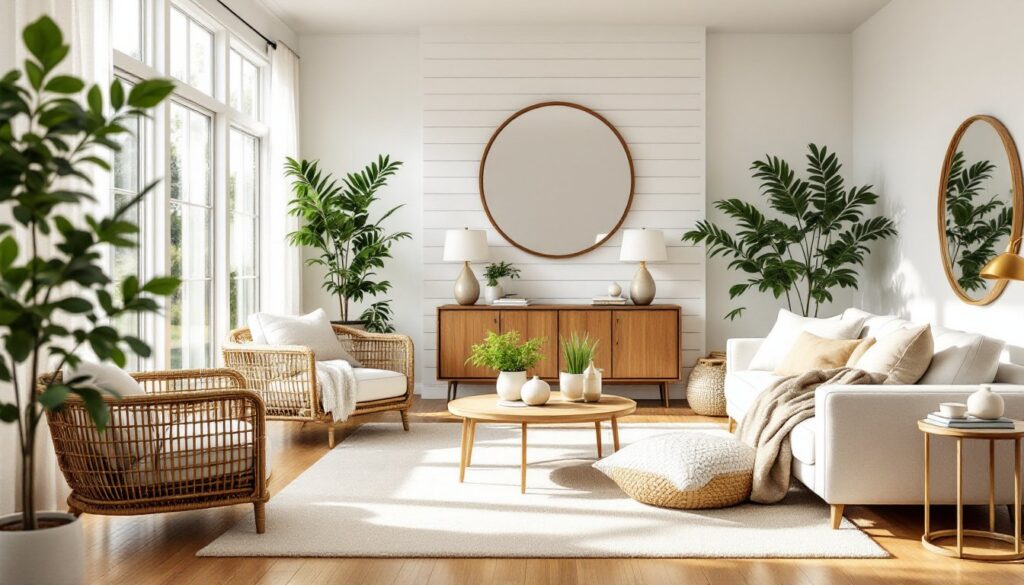
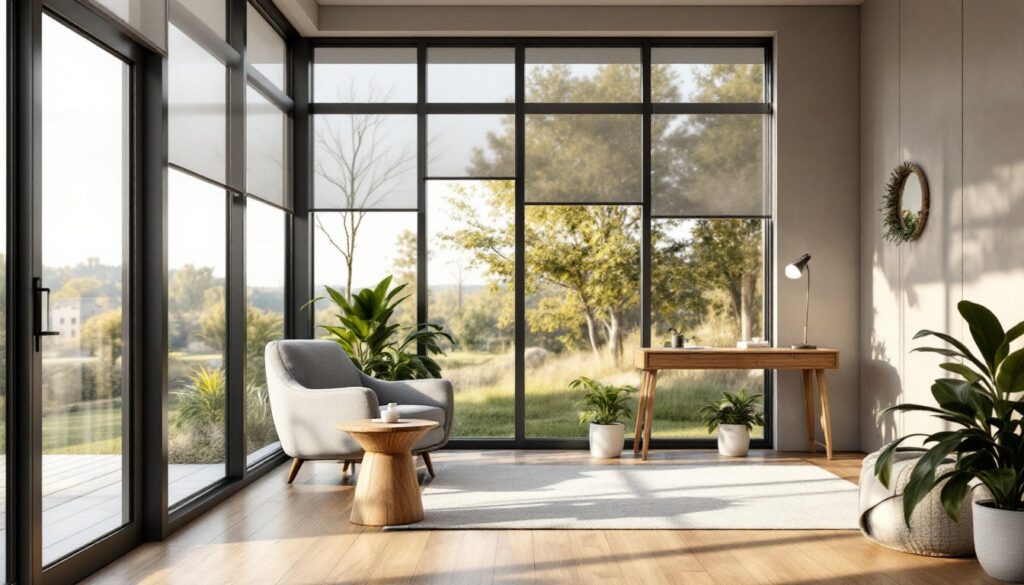
A counter-trend to stark minimalism involves bringing natural warmth into spaces. Wood furniture, woven textiles, and earthy color schemes create inviting atmospheres.
Organic interior design draws inspiration from nature. Stone accents, indoor plants, and natural light play central roles. This trend appeals to homeowners who want their spaces to feel grounded and calming.
Combining organic elements with modern pieces creates balance. A sleek sofa paired with a reclaimed wood coffee table, for example, offers the best of both approaches.
Essential Tips for Achieving Great Interior Design
Successful interior design follows several core principles. These tips apply regardless of budget or style preference.
Establish a focal point. Every room needs an anchor. This might be a fireplace, a statement piece of furniture, or a bold artwork. The best interior design draws the eye to one main feature and arranges other elements around it.
Layer lighting. Overhead fixtures alone create flat, unwelcoming spaces. Combine ambient lighting with task lights and accent pieces. Table lamps, pendant lights, and floor lamps add dimension and flexibility.
Mind the scale. Furniture should fit the room proportionally. Oversized pieces overwhelm small spaces. Undersized furniture makes large rooms feel empty. Measure carefully before purchasing.
Create visual flow. Colors, patterns, and materials should connect from room to room. This doesn’t mean everything matches exactly, it means thoughtful transitions that feel cohesive.
Edit ruthlessly. The best interior design often involves removal rather than addition. Crowded surfaces and excessive décor distract from strong design choices. Leave breathing room.
Balancing Function and Aesthetics
Beautiful spaces that don’t work for daily life frustrate their occupants. The best interior design serves practical needs while looking great.
Consider traffic patterns. Furniture arrangements should allow easy movement through rooms. People shouldn’t navigate obstacle courses to reach the kitchen or bathroom.
Storage matters enormously. Clutter destroys even the most stylish interior design. Built-in solutions, attractive baskets, and multi-functional furniture help maintain order without sacrificing appearance.
Durability counts too. White sofas photograph beautifully but may not survive a household with pets or children. Choosing materials that handle real-world use protects the investment in good design.
Comfort should never take a backseat to style. A stunning chair that nobody wants to sit in fails its purpose. Test furniture before buying. Prioritize pieces that feel as good as they look.
Smart interior design anticipates future needs as well. A guest room that doubles as a home office offers more value than single-purpose spaces. Flexibility extends the life of design decisions.