

Table of Contents
ToggleWhite interior design has moved beyond sterile and cold to become one of the most versatile, calming approaches to home decoration. It’s not just about painting walls white, it’s a deliberate choice that makes rooms feel larger, reflects light, and creates a blank canvas for personal style. Whether you’re starting fresh or refreshing an existing space, understanding how to execute white design well separates a serene, inviting home from one that feels empty and impersonal. This guide walks through the practical decisions, from selecting the right white shade to layering textures and managing maintenance, so you can pull off this aesthetic without any guesswork.
Key Takeaways
- White interior design reflects light and makes rooms feel larger by creating a serene, open atmosphere while serving as a flexible foundation for various design styles.
- Choosing the right white shade requires understanding undertones—warm whites feel cozy, cool whites feel modern, and true neutral whites adapt to changing light without appearing jarring.
- Layering textures through wood elements, varied finishes, and natural materials is essential to prevent white interiors from looking flat or sterile.
- Implement a multi-source lighting strategy with warm white light (2700K) in living areas and cool white light (4000K) in kitchens to enhance white spaces and create visual depth.
- Maintain white interiors with realistic cleaning expectations by using appropriate finish types, HEPA air filters, pH-neutral cleaners, and washable textiles to keep surfaces fresh and intentional.
Why White Design Works for Modern Homes
White isn’t trendy by accident, it solves real design problems. The primary benefit is light reflection. White and off-white surfaces bounce natural and artificial light around a room, making even north-facing spaces feel brighter and more open. This is especially valuable in smaller homes or rooms with limited windows.
Modern homeowners also appreciate white design because it’s honest about imperfection. Unlike dark colors that hide dust and wear, white surfaces call attention to cleanliness, which keeps you accountable. That’s not a bug, it’s a feature for people who value a well-maintained home.
White design also works as a foundation for layering. You’re not locked into a single aesthetic: white pairs with minimalism, farmhouse, mid-century modern, coastal, and transitional styles. Texture, wood tones, metals, and pops of color do the heavy lifting instead of wall color. According to current interior design trends 2026, neutral palettes remain dominant because they’re flexible and timeless.
Finally, white design has a psychological edge. Neutral environments reduce visual noise and mental clutter, which research links to lower stress levels at home. It’s subtle but meaningful, especially in bedrooms, bathrooms, and open living areas where calm matters.
Choosing the Right Shade of White for Your Space
Not all whites are the same. The difference between a paint chip and your finished wall can be jarring if you don’t understand undertones. Selecting the wrong shade is one of the most common white design mistakes, so it’s worth getting this right.
Warm, Cool, and Neutral Whites Explained
Warm whites contain subtle hints of red, yellow, or orange undertones. They’re called “warm” because they feel cozy and slightly golden rather than clinical. Examples include off-whites, creams, and ivory. Use warm whites in living rooms, bedrooms, and kitchens where you want a softer, inviting feel.
Cool whites lean toward blue, gray, or purple undertones. They’re crisp, fresh, and slightly modern. These work best in bathrooms, laundry rooms, and contemporary spaces. Cool whites can feel distant if overused in intimate areas, so pair them with warm wood and textiles to balance the effect.
True neutral whites have no discernible undertone shift. They’re the hardest to find and often the most expensive, but they adapt to changing light throughout the day without looking jarring. If you’re painting a room that receives direct sunlight at different times, a true neutral white is worth the investment.
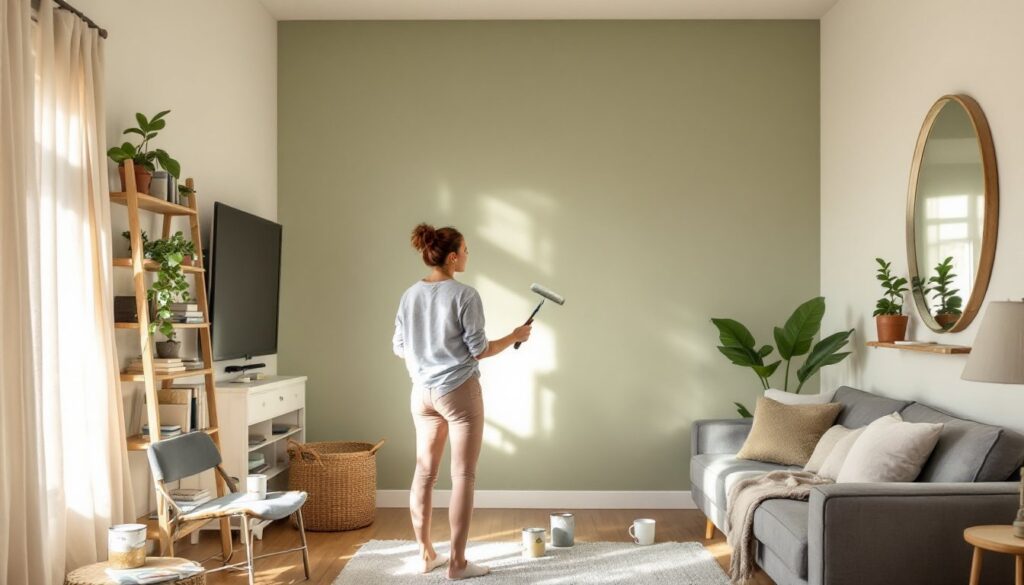
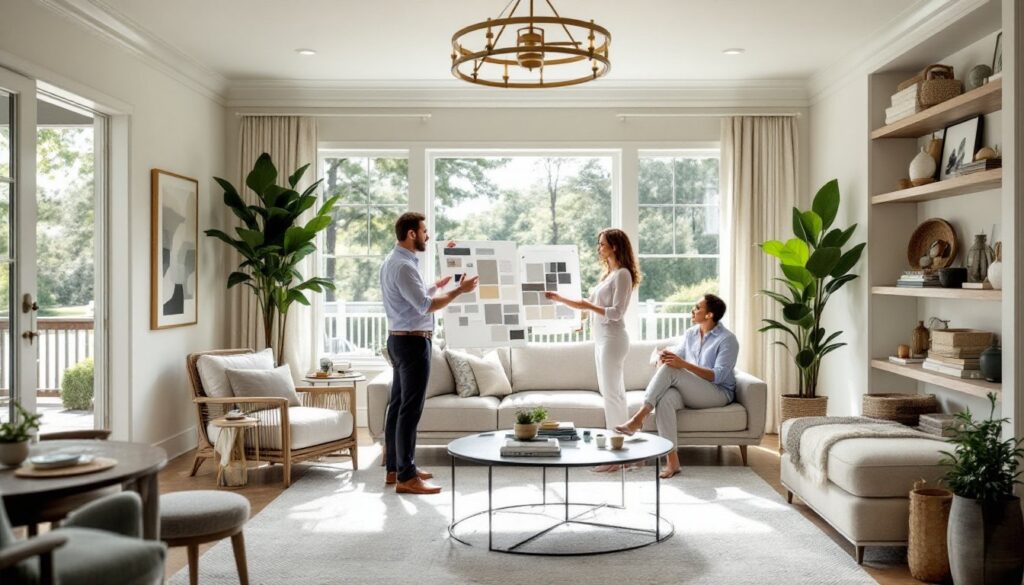
Before committing, buy sample paint pots and apply 2-by-3-foot swatches on the actual walls. Leave them for 48 hours and observe them in morning, afternoon, and evening light. The wall’s orientation, adjacent wall colors, flooring, and trim all influence how a white appears. A sample that looks perfect in the store might feel cold or dingy once it’s on your wall. Interior design for beginners often emphasizes this step because it prevents costly mistakes.
Furniture and Decor Essentials for White Interiors
White walls alone don’t create visual interest, furniture, textiles, and decor establish personality and depth. The goal is to avoid a blank, hospital-like feeling while maintaining the calm, spacious quality white provides.
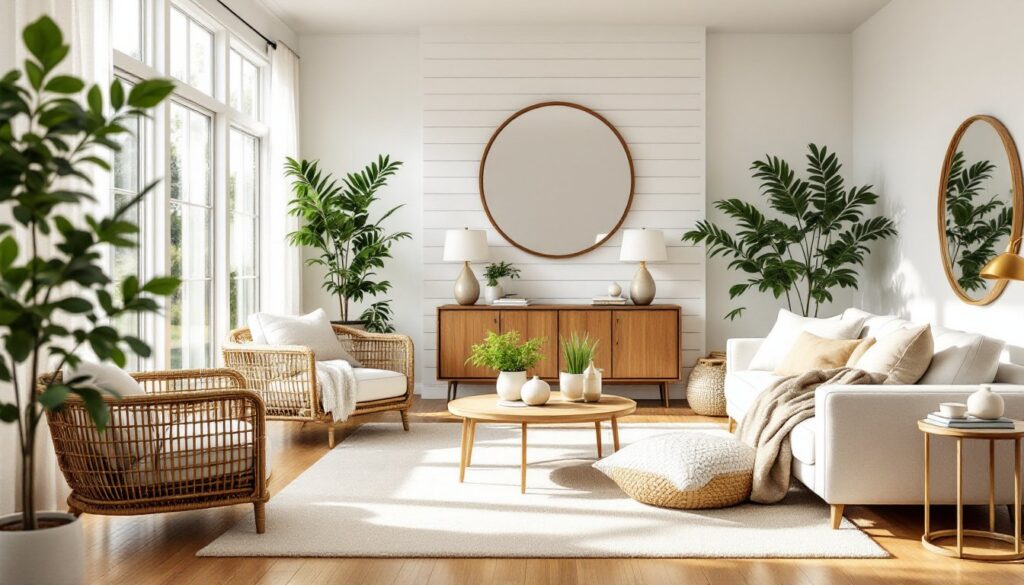
Start with a layered approach to furniture. Include pieces in warm wood tones (walnut, oak, or honey-stained finishes), cool metals (brushed steel, matte black, or brass), and natural materials like rattan, jute, and linen. A white room with white furniture and white textiles becomes one-dimensional fast. Break that up intentionally.
Textiles matter enormously in white design. Consider area rugs in cream, gray, or pale blue tones that anchor seating areas without introducing bold color. Layer throw blankets in chunky knits, linen, or wool to add tactile interest. Pillows are your friend, they’re inexpensive, easy to swap, and give you flexibility to test color and pattern without commitment.
Layering Textures to Prevent a Flat Look
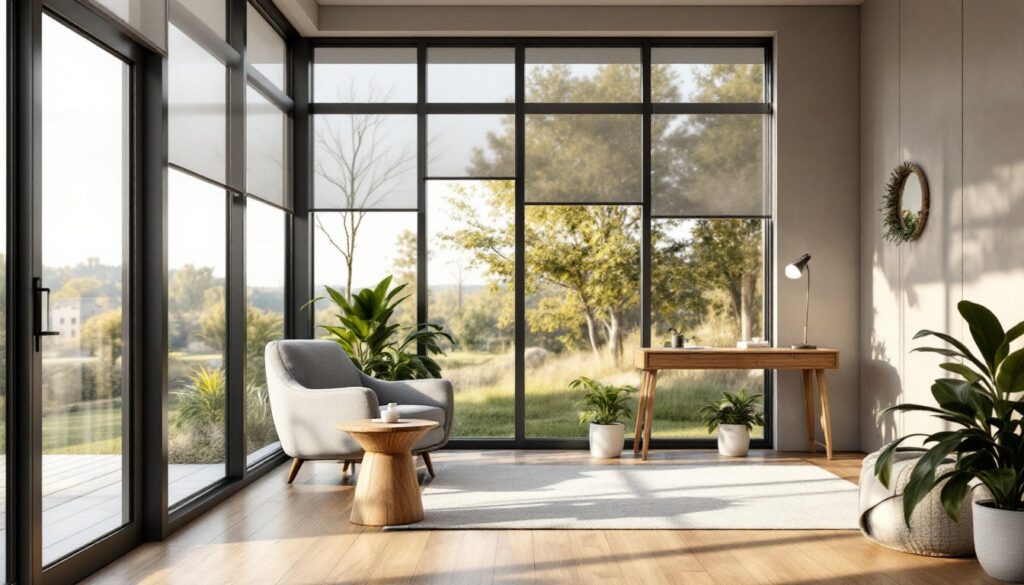
Texture is what transforms a white room from flat to inviting. Incorporate multiple surfaces: smooth painted drywall, matte finished trim, glossy tile, matte ceramic, woven textiles, and natural wood or stone. A room with six different textures will feel rich even if it’s entirely white and neutral.
Specific texture tactics include installing shiplap or board-and-batten wainscoting on lower walls (classic DIY projects that add visual interest without major construction), using textured wallpaper or paneling on an accent wall, displaying books on shelves, and incorporating live plants in ceramic or woven planters. These aren’t cosmetic afterthoughts, they’re structural elements of the design.
Wood elements are non-negotiable in white design. Exposed beams, built-in shelving, hardwood flooring, or even a wooden mantelpiece provide warmth and contrast that prevents the space from feeling sterile. If your home lacks natural wood, consider adding a wooden furniture piece, frame, or art installation. Resources like interior design ideas showcase how effective wood pairing can be.
Lighting Strategies That Enhance White Spaces
Lighting deserves its own strategy in white design because white amplifies both the quality and the intensity of light. Poor lighting makes white feel cold: good lighting makes it glow.
Layered lighting is essential. Combine ambient light (ceiling fixtures or recessed lights), task lighting (desk lamps, under-cabinet kitchen lights), and accent lighting (wall sconces, table lamps) to create depth and flexibility. With only one light source in a white room, shadows become harsh and unflattering. Multiple light sources at different heights and intensities feel more inviting.
Color temperature matters as much as quantity. Warm white light (2700K color temperature) feels cozy and suits living areas, bedrooms, and dining rooms. Cool white light (4000K) works better in kitchens and bathrooms where task visibility is priority. Avoid daylight bulbs (5000K+) in white rooms unless it’s a specific accent. They make white feel clinical and are tiring over long periods.
Consider dimmers wherever possible. They let you adjust light intensity based on time of day and mood, which is particularly valuable in white spaces that can feel different across the lighting spectrum. A dimmer on dining room fixtures or bedroom sconces costs under $20 and transforms the flexibility of your design.
Natural light is still king. Clean windows frequently (white rooms show dust and streaks more readily), use sheer or linen curtains that diffuse light rather than block it, and position mirrors opposite windows to bounce daylight deeper into the space.
Practical Tips for Keeping White Interiors Clean and Fresh
White design requires realistic maintenance expectations. It shows dirt, dust, and marks more visibly than darker colors. That’s not a reason to avoid white, just a reason to plan for upkeep.
First, understand your surface finishes. Matte and eggshell finishes hide marks better than glossy finishes but are harder to clean. Semi-gloss and satin finishes in kitchens and bathrooms are easier to wipe down but show smudges. Choose finishes based on the room’s use and your tolerance for visible wear.
Air purification and regular cleaning reduce dust accumulation. A HEPA air filter running during the day captures airborne particles before they settle on surfaces. Microfiber cloths and pH-neutral cleaners preserve white paint and trim without damaging finishes. Avoid harsh bleach-based cleaners on painted surfaces, they degrade the paint over time.
In high-traffic areas like kitchens and hallways, consider washable finishes. Trim painted in semi-gloss white can be wiped down weekly without damage. Walls in matte finish benefit from occasional spot-cleaning with a magic eraser or soft cloth. If dirt or staining becomes a recurring issue, upgrading to premium paint formulations rated for kitchens and bathrooms is worth the extra cost, they’re formulated to resist marks and clean more easily.
For textiles, invest in removable, machine-washable slipcovers and pillow covers. White upholstery gets stained: slipcovers mean you can refresh or replace fabrics without replacing furniture. Washable area rugs in light tones also simplify maintenance compared to dark rugs that show every speck.
Windowsills, baseboards, and ceiling corners collect dust fastest in white rooms. Add these to your cleaning routine monthly, and white spaces will feel fresh and intentional rather than neglected. It’s also worth noting that interior design tips consistently emphasize that the most beautiful spaces are ones that are actively maintained, not just designed well initially.
White design works because it’s honest, both about light and about upkeep. If you’re willing to commit to regular cleaning and thoughtful layering, you’ll create a home that feels serene, spacious, and genuinely beautiful. The effort pays off.