




Table of Contents
ToggleA Bachelor of Science in Interior Design isn’t just about arranging furniture and picking paint colors, it’s a rigorous professional credential that prepares you to shape how people live, work, and interact within built spaces. Whether you’re drawn to residential projects, commercial environments, or specialized sectors like hospitality or healthcare design, this degree opens doors to a dynamic career backed by technical expertise, creative problem-solving, and business acumen. If you’re considering this path, understanding what the program entails, how the job market operates, and what it takes to build a professional practice can help you make an well-informed choice and chart a course toward success in 2026 and beyond.
Key Takeaways
- A Bachelor of Science in Interior Design is a rigorous four-year program combining design theory, technical skills, and business fundamentals to prepare professionals for careers in residential, commercial, and specialized sectors.
- Graduating from a CIDA-accredited program is essential if you plan to pursue professional licensure (PID or CID) and pass the NCIDQ exam, which is required in about 28 U.S. states.
- Interior design degree holders must master industry-standard software like AutoCAD, Revit, and SketchUp alongside soft skills in project management, client relations, and building code compliance.
- Entry-level interior design salaries range from $35,000 to $45,000, growing to $55,000–$75,000+ with experience, and networking through ASID events and internships is critical for landing your first role.
- Building a professional portfolio during your degree with process work and real client projects—not just renderings—demonstrates your design thinking and significantly improves your competitive advantage in the job market.
What You’ll Learn in an Interior Design Degree Program
A Bachelor of Science in Interior Design is a four-year program that combines art, science, and business fundamentals. You’ll spend roughly equal time on design theory, technical skills, and professional practice. The curriculum covers color theory, spatial planning, materials science, lighting design, building systems, and universal design principles that ensure spaces work for people of all abilities.
Core courses typically include design history, which teaches you to contextualize contemporary work within broader aesthetic and cultural movements. You’ll also study building codes and safety standards, understanding the International Building Code (IBC) and Americans with Disabilities Act (ADA) compliance is non-negotiable in professional practice. Many programs require internships, capstone projects, or live client work, so you’re solving real problems under mentorship before graduation.
The degree distinguishes itself from a certificate or associate program by requiring liberal arts coursework and research methods. You’ll develop critical thinking skills alongside hands-on design capabilities, which employers value when hiring for senior roles or management positions.
Coursework and Key Skills You’ll Develop
Your coursework splits across design studios, technical electives, and business courses. Design studios are the heart of the program, semester-long projects where you develop a concept from research through presentation. One semester might focus on residential design, another on hospitality or healthcare environments. You’ll learn to justify every decision: why that material, why that color, why that spatial arrangement.
Technical electives let you specialize. Choose kitchen and bath design, sustainable design, exhibition design, or retail environments based on your career interests. You’re also required to take business and professional practice courses covering project management, client relations, budgeting, contracts, and ethics. This isn’t glamorous, but it’s the difference between a great designer who can’t run a business and a professional who can build a sustainable career.
Technical and Design Software Proficiency
You’ll spend significant time learning industry-standard software. AutoCAD is the baseline, learning to produce accurate floor plans, elevations, and construction documents is essential. Revit goes deeper, letting you build 3D models that coordinate with architecture and engineering. SketchUp is valuable for quick visualization and client presentations, while Photoshop and Adobe Creative Suite handle rendering and branding.
Many programs now include visualization tools like V-Ray, Enscape, or Lumion for photorealistic renders that clients expect to see. Some schools introduce Grasshopper or other parametric design tools for advanced projects. The software landscape shifts constantly, but employers care less about mastering specific programs than understanding the principles behind them, if you learn CAD’s logic, picking up a new tool is manageable.
Career Paths and Job Opportunities After Graduation
A B.S. in Interior Design opens multiple career trajectories. The most direct path is joining an interior design firm as a junior designer or designer, working on client projects across residential, commercial, hospitality, or specialized sectors. Entry-level salaries typically range from $35,000 to $45,000, with growth to $55,000–$75,000+ as you gain experience and build a portfolio.
Alternative paths include working for architectural firms as part of the design team, joining corporate real estate departments for in-house design services, or specializing in areas like kitchen and bath design, retail design, or facilities management. Some graduates move into product design for furniture or home goods companies, leveraging their understanding of form, function, and aesthetics. Others transition into real estate development, construction management, or code compliance consulting.
Freelance or solo practice is possible but typically requires 3–5 years of experience and strong business skills first. Licensing as a professional interior designer (a separate credential discussed below) can command higher fees and open doors to higher-stakes projects.
Exploring Interior Design vs Interior Decorating: Key Differences Explained helps clarify your career focus, design involves code compliance and spatial planning, while decorating centers on aesthetics. Understanding this distinction shapes which roles and firms will value your credentials.
Accreditation and Professional Licensing Requirements
Not all interior design programs are created equal. The Council for Interior Design Accreditation (CIDA) sets standards for curriculum, faculty credentials, and student outcomes. Graduating from a CIDA-accredited program is critical if you aim to pursue licensure as a professional interior designer (PID) or certified interior designer (CID).
Licensing laws vary significantly by state and country. In the U.S., about 28 states regulate interior design through licensure, registration, or title protection. To become a licensed interior designer, you typically need a CIDA-accredited degree plus 2–3 years of documented work experience, then pass the National Council for Interior Design Qualification (NCIDQ) exam. This exam tests code knowledge, space planning, materials, and professional practice.
States without licensure don’t restrict who can call themselves an interior designer, but licensing matters for high-liability projects (healthcare, commercial, institutional work) and for commanding professional fees. If you’re unsure about your state’s requirements, check the NCIDQ website or your state’s regulatory board before committing to a program. Some employers also accept the degree alone without licensure, so your career goals determine whether licensure is necessary.
Building Your Portfolio and Breaking Into the Industry
Your portfolio is your resume in interior design. It showcases your design thinking, technical skills, and ability to solve real problems. Start building it during your degree, every studio project, internship, and freelance gig goes in. Quality matters more than quantity: three exceptional projects beat a dozen mediocre ones.
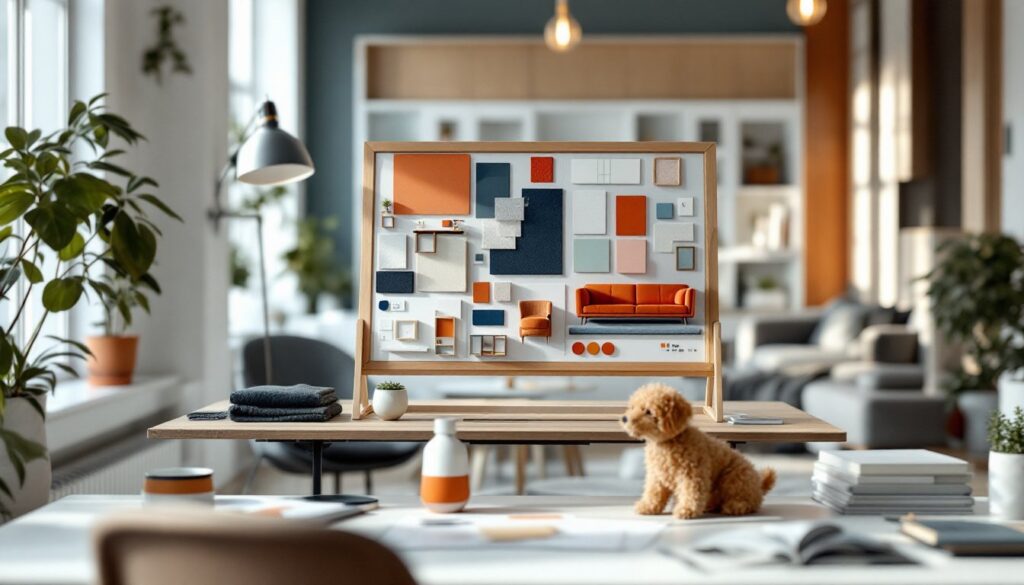
Portfolio pieces should include process work: mood boards, sketches, mood boards, code analyses, and iterations showing how you arrived at your final design. Employers want to see your thinking, not just the pretty rendering. Include residential, commercial, or specialty projects depending on your target sector. If you lack client work, redesign a space you know well, your dorm room, a family member’s kitchen, or a local restaurant.
Networking during school pays dividends. Attend ASID (American Society of Interior Designers) events, connect with professionals on LinkedIn, and reach out to designers whose work you admire. Many entry-level roles come through informal connections, not job boards. Internships are crucial, they’re how firms evaluate potential hires before they graduate, and experience trumps credentials when competing for your first job.
Resources like Interior Design for Beginners: and Interior Design Examples: Inspiring Ideas for Every Room provide inspiration and validate the principles you’ll learn in your degree. Staying current with industry trends through publications like Architectural Digest and design blogs signals engagement to future employers.
Conclusion
A Bachelor of Science in Interior Design is a strategic investment in a creative, problem-solving career. The degree equips you with technical knowledge, professional standards, and portfolio-building experience that employers respect. Success requires choosing an accredited program, staying engaged with real projects and mentorship, and building a strong portfolio early. Whether your goal is residential design, commercial projects, or specialized sectors, this credential opens doors and legitimizes your expertise in a competitive field.