

Table of Contents
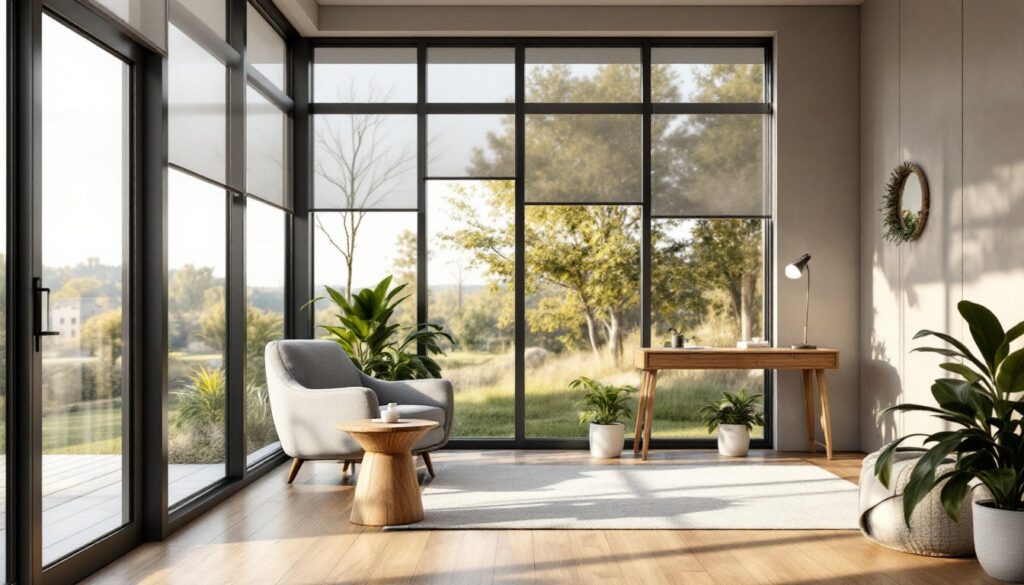
ToggleA sunroom is one of the few home additions that works hard on multiple fronts: it captures natural light, extends your living space, and pulls double duty as both a bright workspace and a gathering spot. But slapping down some furniture and calling it done leaves potential on the table. Thoughtful sunroom interior design doesn’t need to be complicated, it’s about matching your style to the space, handling the practical challenges (heat, glare, comfort), and choosing pieces that hold up to constant sun exposure. Whether you’re starting from scratch or refreshing an existing sunroom, the right design approach turns it from a neglected glass box into the room you actually want to spend time in.
Key Takeaways
- Sunroom interior design requires durable, UV-resistant materials and active climate control to transform the space from a seasonal novelty into a year-round retreat that actually gets used.
- Choose style-forward aesthetics—modern, traditional, or classic—and commit consistently rather than mixing leftover furniture, creating intentional visual continuity with your home’s existing design.
- Invest in solution-dyed or performance fabrics like Sunbrella for upholstery, use medium-to-dark wood stains, and opt for rattan or teak to prevent fading and discoloration from constant sun exposure.
- Control light with layered strategies: cellular or solar shades to filter UV rays, recessed ceiling fixtures for ambiance, and smart bulbs or dimmers to adjust brightness seasonally for comfort.
- A mini-split heat pump or paired dehumidifier and window air unit system prevents temperature swings, making the sunroom functional in summer heat and winter cold without expensive HVAC extensions.
- Organize the sunroom with distinct zones—seating, work, and plant display—using low-profile furniture and strategic clusters to maximize flow and prevent the space from feeling like an awkward pass-through.
Why A Sunroom Deserves Design Attention
Sunrooms get overlooked because they seem straightforward, they’re bright, they’re separate, they’re easy to ignore. But that’s exactly why design matters here. A sunroom endures conditions most interior spaces never face: intense UV rays, temperature swings, humidity (especially in humid climates), and constant light that can fade fabrics and finishes fast.
The payoff for getting it right is huge. A well-designed sunroom becomes a year-round asset instead of a seasonal novelty that’s too hot in summer and too cold in winter. It sets the mood for relaxation, improves how natural light flows into your home, and adds genuine resale value if it’s built soundly. Most importantly, it’s a space where you’ll actually spend time, reading, working, growing plants, or just existing in natural light, which means your investment in design choices pays dividends every single day.
Choosing The Right Style For Your Sunroom
Style sets the emotional tone of the space. Your sunroom’s design should feel intentional, not like leftovers pushed into a glass box. The good news is that sunrooms work with multiple aesthetics, the key is committing to one direction and layering it consistently.
Modern and Contemporary Aesthetics
Modern sunrooms lean on clean lines, minimal ornamentation, and a tight color palette (typically neutrals with one accent). Materials matter here: think polished concrete or light wood flooring, steel or aluminum frames on furniture, and glass or metal accents throughout. The glass walls become a design feature rather than something to hide behind. Modern designs thrive in direct sunlight because they don’t rely on patterned textiles to carry the look, solid colors and material contrast do the work. Hardscape elements like planters with architectural plants (ornamental grasses, structured greenery) fit naturally into the aesthetic. If your home’s main living areas run modern, extending that into the sunroom creates visual continuity.
Contemporary is slightly softer: it borrows modern’s simplicity but welcomes a bit more warmth through textured fabrics, layered lighting, and carefully chosen art. A contemporary sunroom might feature soft blues or warm grays, paired with natural wood tones and linen upholstery. This style photographs well and feels less sterile than pure modern, making it popular for homes that want contemporary bones with livable comfort. Recent Interior Design Trends 2026: emphasize this balanced approach, bright spaces that don’t feel cold.
Traditional and Classic Approaches
Traditional sunrooms aren’t afraid of pattern. They typically incorporate botanical prints, striped upholstery, wicker or rattan furniture, and plenty of layering, throw pillows, area rugs, table lamps with fabric shades. Whites, creams, and soft greens dominate the palette, evoking a conservatory or garden room feel. Wood frames and shutters (real or decorative) add architectural warmth. This style actually handles intense sunlight well because patterns and textures hide fading better than solids. If your home features period details elsewhere, carrying traditional language into the sunroom makes sense architecturally.
Classic design sits between traditional and contemporary. It’s less ornate than full traditional but more detailed than modern. Neutral backgrounds with statement pieces, quality upholstery, and timeless accessories (framed prints, ceramic vessels) create a refined, collected look. This approach works particularly well for sunrooms because it doesn’t demand constant refresh cycles, classic pieces hold visual weight year after year. Drawing from established Interior Design Examples: Inspiring Ideas for Every Room helps clarify which classic direction feels right for your home.
Flooring, Lighting, and Climate Control Solutions
These three elements make or break sunroom livability, and they’re deeply interconnected.
Flooring must handle temperature changes and intense sunlight without warping or fading. Luxury vinyl plank (LVP) is a practical choice for sunrooms, it mimics wood or stone aesthetically, resists moisture, and handles thermal expansion better than solid hardwood. Polished concrete provides an industrial-modern look and pure durability, though it can feel cold underfoot in winter. Natural stone (slate, porcelain tile) is durable and doesn’t fade, but grout lines collect dirt in heavily sunny spaces. Avoid wall-to-wall carpet unless you’re prepared to replace it regularly: but, area rugs add warmth and define zones. Whatever you choose, ensure it’s rated for direct UV exposure and accepts adhesive properly if installing yourself.
Lighting isn’t about fighting the sun, it’s about controlling it. Install cellular shades or roller shades with a semi-opaque weave that filters light without creating a cave-like interior. Solar shades specifically block UV rays while maintaining visibility outside. For evening use, layered lighting works best: recessed ceiling fixtures for overall illumination, wall sconces or a pendant for task lighting, and table lamps for accent and flexibility. Smart bulbs let you adjust color temperature and brightness seasonally (warmer in winter, cooler in summer), which feels more psychologically comfortable than static lighting. Wall-mounted dimmers give you minute-by-minute control without the cost of a full smart system.
Climate control is non-negotiable for year-round use. Sunrooms act like greenhouses in summer, they absorb and retain heat faster than conventional rooms. A mini-split heat pump (ductless air conditioning and heat) is the most efficient retrofit solution: it handles both cooling and heating without the cost of extending central HVAC. If that’s beyond budget, a portable dehumidifier paired with a window air unit manages summer heat, while radiant floor heating or a ceiling-mounted infrared heater tackles winter cold. Passive strategies (window treatments, ventilation fans, strategic plant placement) reduce load on mechanical systems. Check your local building codes, some jurisdictions require egress windows or emergency exits in sunrooms, which also improves ventilation.
Homedit offers detailed guidance on Interior Design Tips to Transform Your Living Space that include climate and light control considerations specific to bright spaces.
Furniture and Decor Essentials For Comfort
Furniture in a sunroom faces unique wear. Upholstery fades, wood bleaches, and finishes degrade faster under constant UV. Choose materials built for the job, not just aesthetics.
Upholstered pieces should use solution-dyed fabrics (where color is integrated into the fiber, not printed on) or high-UV-rated performance fabrics like Sunbrella. These hold color far longer than standard fabrics. Leather and leather-look synthetics work but require conditioner to prevent drying and cracking. Avoid velvet and high-pile synthetics, they trap dust and show water spots prominently in bright light.
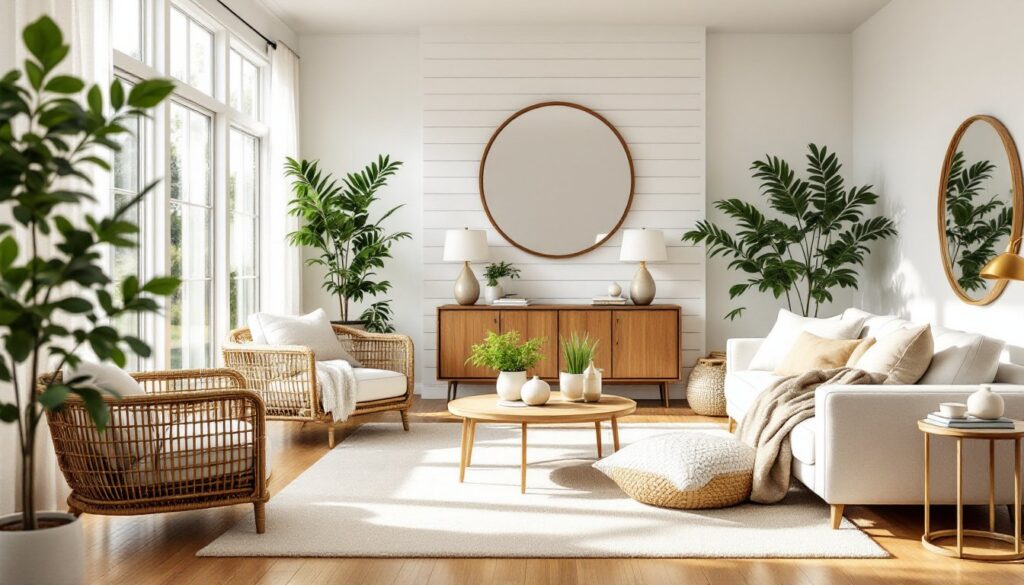
Wood furniture works best in medium or darker stains that hide bleaching. Light natural wood will develop uneven discoloration over years of direct sun: it’s not a structural problem, but it looks shabby. Teak and other naturally UV-resistant woods cost more but age gracefully. Rattan and wicker fit the aesthetic beautifully and handle moisture better than solid wood, though they require occasional sealing and cleaning.
Layout and zoning prevent the sunroom from feeling like an awkward pass-through. Create distinct areas: a seating zone with a comfortable chair or small sectional, a work or hobby area with a sturdy table and task lighting, and a plant display or accent corner. Low-profile furniture keeps sightlines open and prevents the space from feeling cramped. Avoid pushing everything to walls, clusters feel more intentional and livable.
Decor and styling should respect function. Wall art needs UV-resistant glass or acrylic to prevent print fading: consider framed botanicals or abstract pieces in colors that complement your palette. Throw pillows and blankets add comfort but should be stored when not in use, or chosen in fade-resistant fabrics. Potted plants are naturals for sunrooms, they thrive in the light, add life to corners, and reinforce whatever style you’ve chosen. Metal or ceramic accents (planters, side tables, mirrors) reflect light pleasantly without accumulating dust like soft goods do.
Exploring Interior Design for Beginners: helps homeowners new to design decisions understand how to layer these elements without feeling overwhelmed. Practical Interior Design Ideas to Transform Your Space guide selections that balance beauty with durability. For deeper inspiration, resources like Homify showcase real sunroom projects at various scales, and Dwell features contemporary designs where sunrooms integrate thoughtfully into overall home architecture.
Conclusion
Sunroom interior design succeeds when it respects the unique conditions of the space while reflecting your living style. Choose durable materials, manage light and temperature actively, and commit to a cohesive aesthetic, whether that’s modern, traditional, or something in between. A thoughtfully designed sunroom transforms from a glass add-on into a genuine retreat that works hard every season of the year.