

Table of Contents
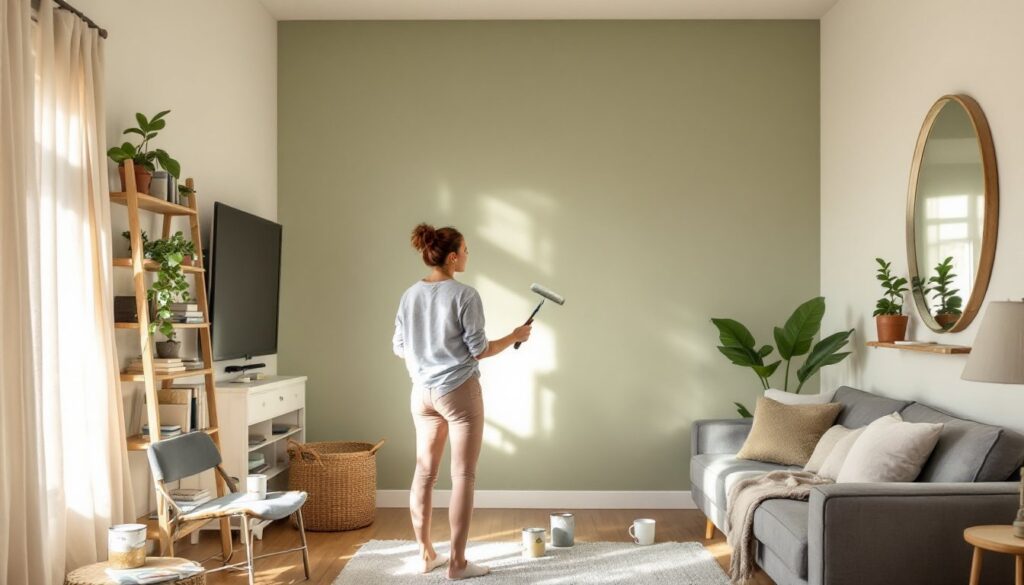
ToggleLearning how to interior design a space can feel overwhelming at first. Where do you start? What makes a room look intentional instead of thrown together? The good news: interior design follows clear principles that anyone can learn.
This guide breaks down the process into practical steps. Readers will learn to define their style, create a budget, apply core design fundamentals, and add those finishing touches that pull everything together. No design degree required, just a willingness to look at spaces with fresh eyes.
Key Takeaways
- Start learning how to interior design by gathering inspiration images to identify patterns that reveal your personal style.
- Create a floor plan with measurements and set a realistic budget before purchasing any furniture to avoid costly mistakes.
- Apply the 60-30-10 color rule—60% dominant color, 30% secondary, and 10% accent—for a balanced, cohesive look.
- Layer three types of lighting (ambient, task, and accent) to add depth and functionality to any room.
- Mix textures like soft textiles, natural elements, and metallic touches to transform flat spaces into inviting homes.
- Edit ruthlessly—every object should serve a purpose or bring genuine joy to earn its place in your design.
Define Your Personal Style
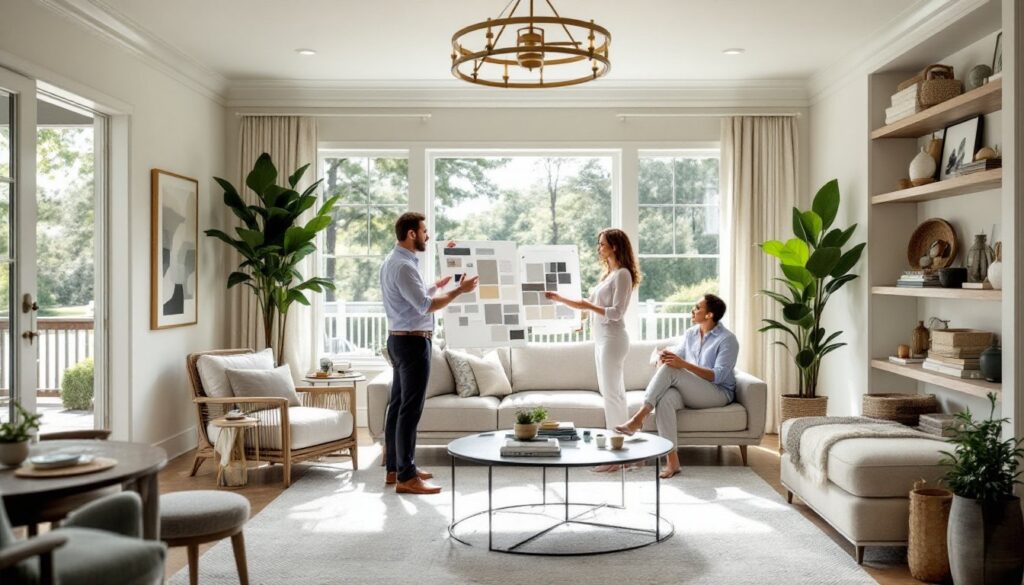
The first step in learning how to interior design is identifying what actually appeals to you. This sounds obvious, but many people skip straight to buying furniture without considering their preferences.
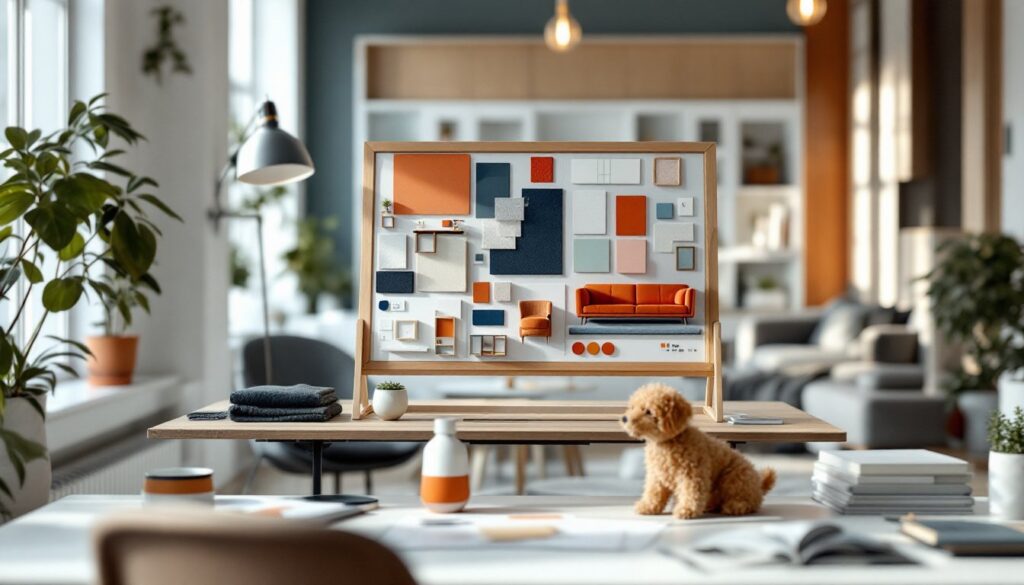
Start by gathering inspiration. Pinterest boards, Instagram saves, and design magazines all work well. After collecting 30-50 images, patterns will emerge. Maybe warm wood tones appear repeatedly. Perhaps clean lines dominate the collection. These recurring elements reveal personal style.
Common interior design styles include:
- Modern: Clean lines, minimal ornamentation, neutral colors with bold accents
- Traditional: Classic furniture shapes, rich colors, symmetrical arrangements
- Scandinavian: Light woods, white walls, functional simplicity
- Mid-Century Modern: Organic shapes, mixed materials, retro appeal
- Bohemian: Eclectic patterns, global influences, collected-over-time aesthetic
Most people don’t fit neatly into one category, and that’s fine. A living room might blend Scandinavian simplicity with bohemian textiles. The key is understanding which elements consistently attract attention.
Consider lifestyle factors too. A family with young children might love white sofas in photos but need something more practical. Someone who works from home needs spaces that support productivity. Good interior design balances aesthetic preferences with daily reality.
Start With A Plan And Budget
How to interior design without overspending? The answer is planning. Impulse purchases lead to rooms that feel disconnected.
Begin with measurements. Every room needs a floor plan showing dimensions, window placements, door swings, and electrical outlets. Free tools like RoomSketcher or even graph paper work perfectly. This step prevents buying a sofa that blocks a doorway or a dining table that crowds the kitchen.
Next, set a realistic budget. Professional designers often recommend this breakdown:
- 40-50% on anchor pieces (sofas, beds, dining tables)
- 20-30% on secondary furniture (side tables, chairs, storage)
- 15-25% on textiles and accessories
- 5-10% on art and decorative objects
Anchor pieces deserve the biggest investment because they receive daily use and define the room’s character. That vintage coffee table from a thrift store? Perfect. But a cheap mattress will cause years of regret.
Create a priority list. What does the room need most urgently? A beginner learning how to interior design should focus on one room at a time rather than trying to furnish an entire home simultaneously. This approach allows for thoughtful decisions and prevents budget exhaustion.
Master The Fundamentals Of Design
Understanding core principles transforms random furniture arrangements into cohesive spaces. These fundamentals apply whether someone is styling a studio apartment or a five-bedroom house.
Balance, Scale, And Proportion
Balance creates visual stability. Symmetrical balance mirrors elements on either side of a center point, two identical nightstands flanking a bed, for example. Asymmetrical balance uses different objects of similar visual weight, like a large plant on one side and a cluster of small frames on the other.
Scale refers to how objects relate to the room size. A tiny loveseat in a vast living room looks lost. An oversized sectional in a small den feels suffocating. Proportion concerns how objects relate to each other. A massive dining table with delicate chairs creates visual tension.
The rule of thirds helps here. Divide a wall or surface into thirds and place focal points along those lines. This technique creates natural visual flow and prevents that “everything-centered” look that reads as boring.
Color And Lighting
Color sets emotional tone. Cool colors (blues, greens, purples) create calm. Warm colors (reds, oranges, yellows) generate energy. Neutrals provide flexibility and longevity.
The 60-30-10 rule simplifies color selection for anyone learning how to interior design:
- 60%: Dominant color (walls, large furniture)
- 30%: Secondary color (accent furniture, curtains)
- 10%: Accent color (throw pillows, art, decorative objects)
Lighting deserves equal attention. Good interior design layers three types:
- Ambient lighting: Overall room illumination (overhead fixtures, recessed lights)
- Task lighting: Focused light for specific activities (reading lamps, under-cabinet lights)
- Accent lighting: Decorative lighting that highlights features (picture lights, candles)
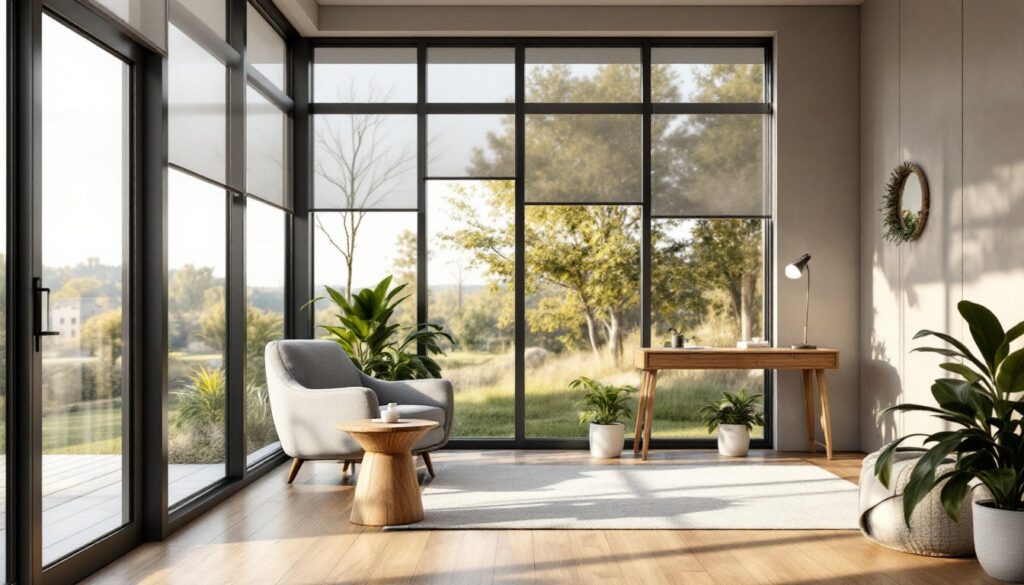
Natural light matters most. Arrange furniture to maximize window light during daytime hours. Sheer curtains filter harsh sunlight without blocking it entirely.
Layer Textures And Accessories
Texture and accessories transform a functional room into a space with personality. This final stage of interior design makes the difference between a catalog photo and an actual home.
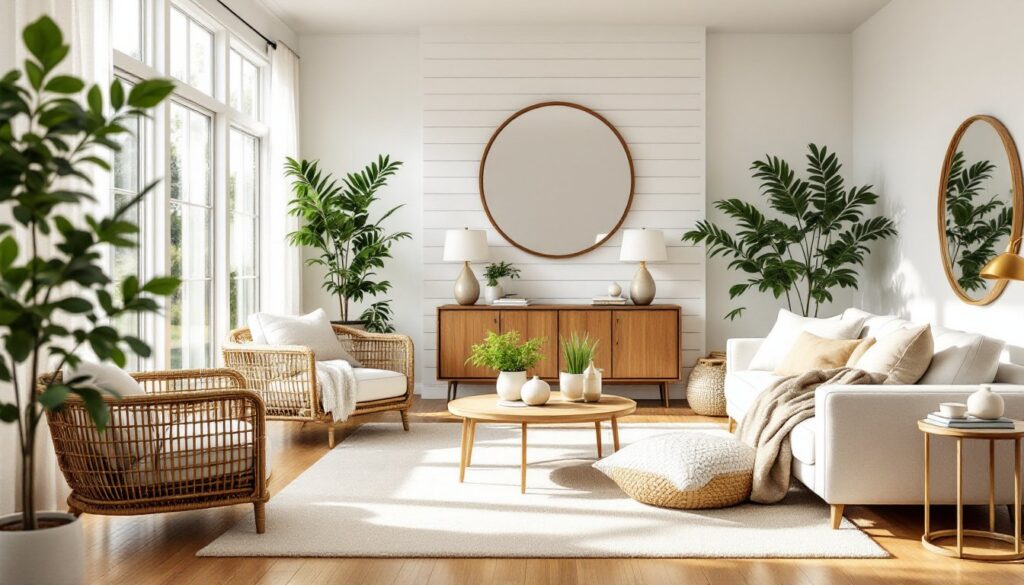
Texture adds visual and tactile interest. A room with all smooth surfaces feels cold and flat. Mix materials deliberately:
- Soft textiles: Velvet pillows, wool throws, linen curtains
- Natural elements: Wood furniture, woven baskets, stone accents
- Metallic touches: Brass lamps, iron hardware, copper accessories
- Organic matter: Plants, dried flowers, natural fiber rugs
Accessorizing follows the rule of odd numbers. Groups of three or five objects look more dynamic than pairs. Vary heights within groupings, a tall candlestick, medium vase, and small sculpture create visual movement.
Edit ruthlessly. Beginners learning how to interior design often add too much. Every object should earn its place. If something doesn’t serve a function or bring genuine joy, it’s clutter.
Personal items anchor a space in real life. Family photos, travel souvenirs, inherited pieces, and collected art tell a story. These elements prevent rooms from looking like showroom displays and make a house feel like home.