


Table of Contents
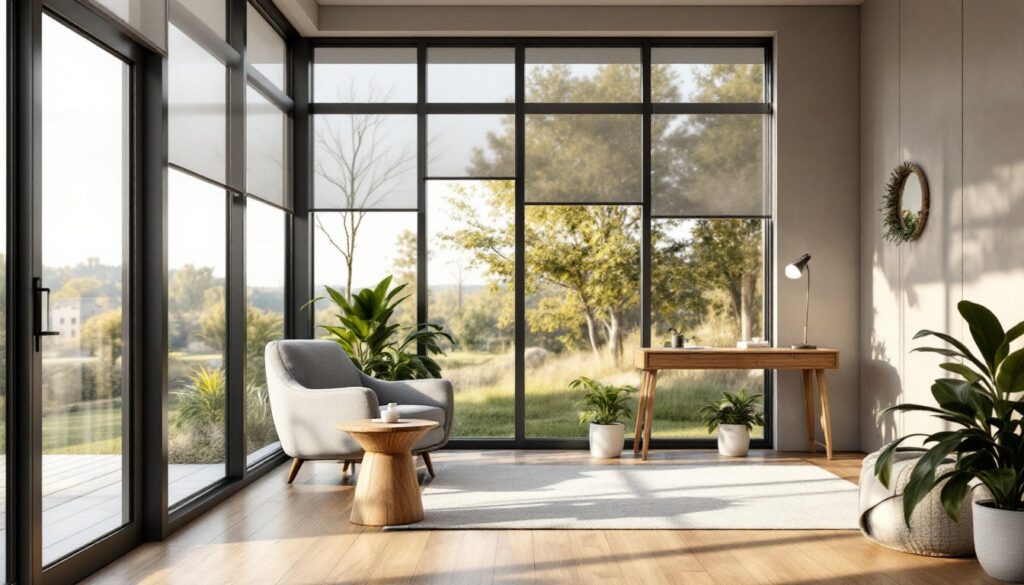
ToggleInterior design examples offer a starting point for anyone looking to refresh their space. Whether someone is remodeling a living room, updating a bedroom, or rethinking a small bathroom, real-world design ideas provide clarity. They show what works, and what doesn’t.
This article breaks down interior design examples room by room. Readers will find practical inspiration for living rooms, bedrooms, kitchens, dining areas, bathrooms, and small spaces. Each section highlights specific styles, materials, and layouts that homeowners can adapt to their own homes.
Key Takeaways
- Interior design examples provide practical inspiration for every room, from living spaces to small bathrooms.
- Popular styles like mid-century modern, Scandinavian, and modern farmhouse offer distinct aesthetics you can adapt to your home.
- Maximize small spaces with vertical storage, floating vanities, and large-format tiles to create a sense of openness.
- Start your redesign by defining the room’s purpose and choosing one or two cohesive styles to avoid visual clutter.
- Invest in anchor pieces like sofas, bed frames, or dining tables first—accessories can be updated later at lower cost.
- Always test paint swatches and fabric samples before committing to prevent costly design mistakes.
Living Room Design Examples
The living room sets the tone for the entire home. It’s where guests gather and families unwind. Strong interior design examples for this space balance comfort with visual appeal.
Open-Concept Layouts
Open-concept living rooms remain popular. They connect the living area to the kitchen or dining space. This layout works well for entertaining and creates a sense of flow. Use area rugs to define zones without walls.
Mid-Century Modern Style
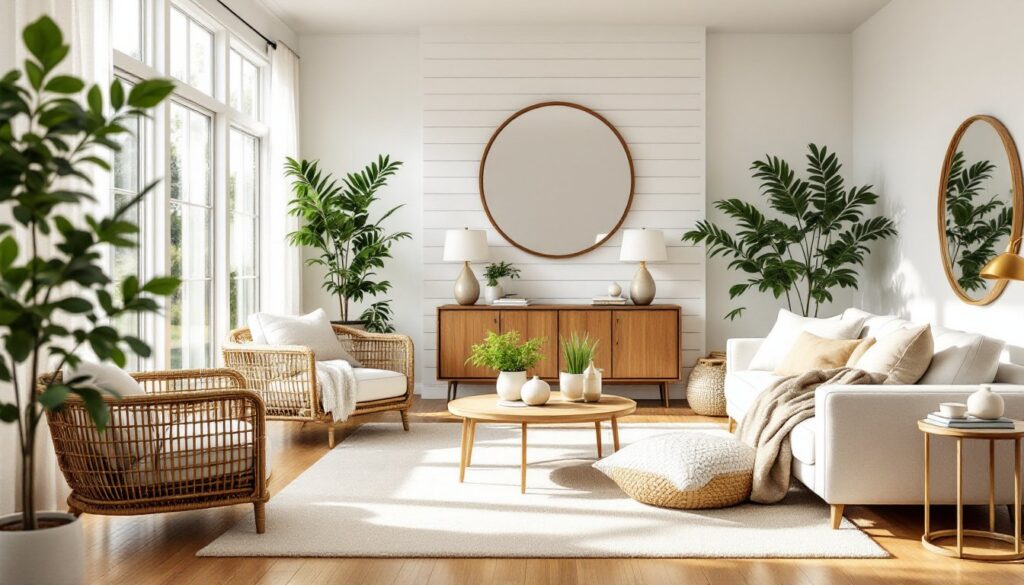
Mid-century modern living rooms feature clean lines, organic shapes, and warm wood tones. Think low-profile sofas, tapered legs, and statement lighting. A classic Eames chair or a walnut coffee table anchors the look.
Minimalist Living Rooms
Minimalist interior design examples focus on function. Neutral color palettes, white, beige, gray, keep the room calm. Furniture is intentional, not excessive. Built-in storage hides clutter.
Cozy, Layered Spaces
For those who prefer warmth, layered textures add depth. Velvet cushions, knit throws, and woven baskets soften a room. Earthy tones like terracotta, olive, and mustard bring life without overwhelming the space.
Bedroom Design Ideas Worth Exploring
Bedrooms should feel restful. The best interior design examples for bedrooms prioritize calm colors, soft lighting, and smart storage.
Scandinavian Bedrooms
Scandinavian design favors simplicity. White walls, light wood furniture, and minimal decor create a peaceful atmosphere. Add warmth with linen bedding and a sheepskin rug beside the bed.
Bohemian Retreats
Bohemian bedrooms embrace pattern and texture. Macramé wall hangings, layered rugs, and plants bring personality. This style suits those who want a collected, lived-in feel.
Hotel-Style Luxury
Some homeowners prefer a hotel-inspired bedroom. Upholstered headboards, crisp white sheets, and matching nightstands create symmetry. Blackout curtains and ambient lighting complete the effect.
Small Bedroom Solutions
In smaller bedrooms, vertical space matters. Wall-mounted shelves, under-bed storage, and multifunctional furniture maximize square footage. Mirrors reflect light and make the room feel larger.
Kitchen and Dining Space Inspiration
Kitchens and dining areas see heavy daily use. Interior design examples for these spaces prioritize durability, efficiency, and style.
Modern Farmhouse Kitchens
The modern farmhouse kitchen blends rustic charm with contemporary function. Shaker cabinets, open shelving, and apron-front sinks define this style. Subway tile backsplashes add texture without visual noise.
All-White Kitchens
All-white kitchens feel clean and timeless. White cabinets, countertops, and walls reflect light. Add contrast with black hardware, a dark faucet, or a natural wood cutting board.
Industrial Touches
Industrial interior design examples feature exposed brick, metal fixtures, and concrete countertops. Pendant lights with Edison bulbs and open shelving reinforce the look. This style works well in loft apartments or urban homes.
Dining Room Focal Points
The dining table anchors the space. A statement chandelier or pendant light above the table draws the eye. Consider a bench on one side for casual seating. Art or a mirror on the wall adds character.
Bathroom and Small Space Solutions
Bathrooms and small spaces require creative thinking. The right interior design examples show how to maximize function without sacrificing style.
Spa-Inspired Bathrooms
Spa-style bathrooms use natural materials and soft lighting. Stone tiles, wooden accents, and freestanding tubs create a serene environment. Add plants and fluffy towels for a finishing touch.
Black and White Contrast
Black and white bathrooms never go out of style. Subway tiles with dark grout, matte black fixtures, and white walls offer a striking look. This approach works in both modern and traditional homes.
Small Bathroom Hacks
In tight bathrooms, every inch counts. Floating vanities open up floor space. Recessed shelving in the shower holds products without cluttering. Large-format tiles reduce grout lines and make the room feel bigger.
Entryways and Hallways
Small entryways benefit from hooks, narrow consoles, and wall-mounted storage. A mirror near the door adds function and light. Runners protect floors while introducing color or pattern.
How to Apply These Design Examples in Your Home
Seeing interior design examples is one thing. Applying them is another. Here’s how to turn inspiration into action.
Start with a Clear Goal
Define the purpose of the room. Is it for relaxing, working, or entertaining? This clarity guides every decision, from furniture selection to color choice.
Choose a Style Direction
Pick one or two styles that resonate. Mixing too many looks creates visual confusion. A consistent direction, whether Scandinavian, industrial, or bohemian, unifies the space.
Focus on Key Pieces First
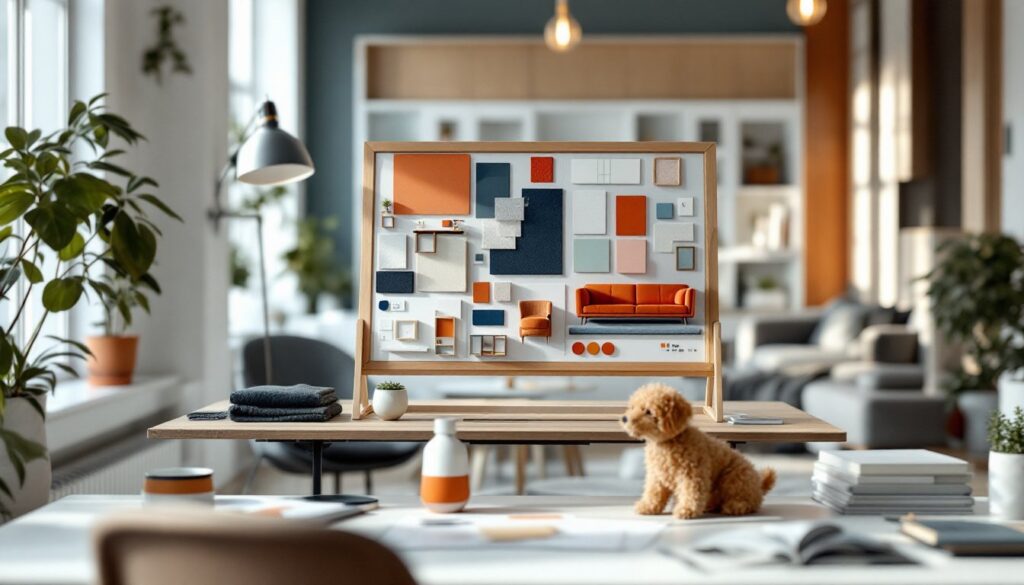
Invest in anchor pieces: a sofa, bed frame, or dining table. These set the foundation. Accessories and decor can be swapped later without major cost.
Test Before Committing
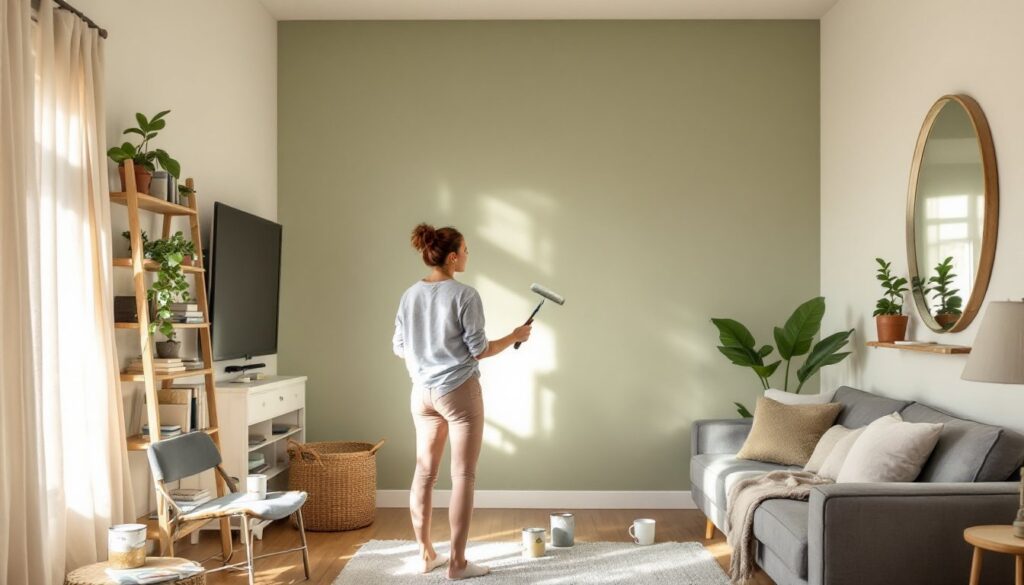
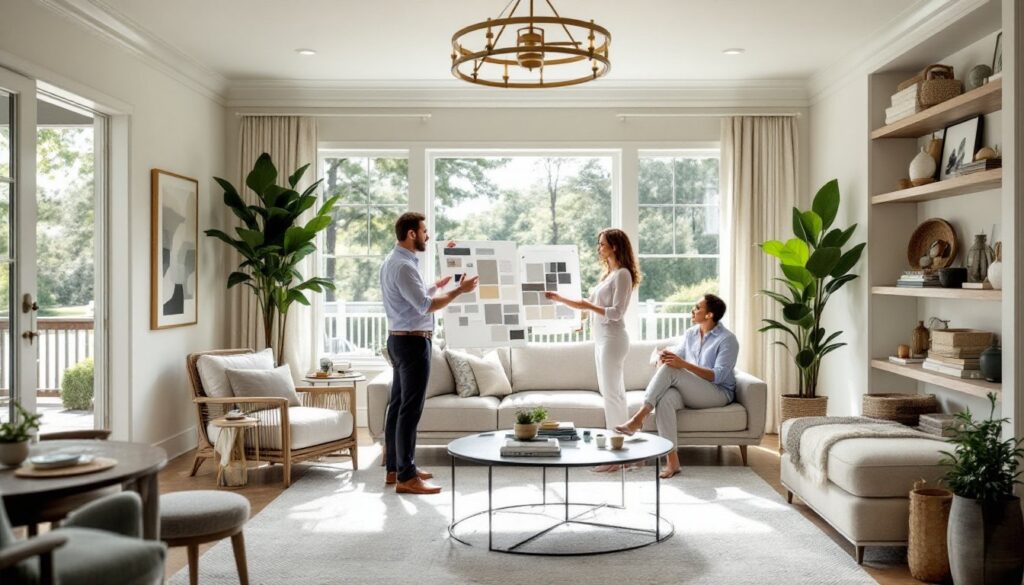
Before painting a wall or ordering furniture, test samples. Paint swatches on the wall. Order fabric samples. Live with them for a few days. This prevents costly mistakes.
Don’t Ignore Lighting
Lighting transforms a room. Layer ambient, task, and accent lighting for depth. Dimmer switches offer flexibility. Natural light remains the best option when available.