


Table of Contents
ToggleInterior design for beginners doesn’t have to feel overwhelming. With a few core principles and practical tips, anyone can create a space that looks cohesive and feels comfortable. This guide breaks down the essentials, from color palettes to furniture arrangement, so first-timers can approach their projects with confidence. Whether someone is decorating a first apartment or refreshing a tired living room, these foundational concepts will help transform any space into something worth showing off.
Key Takeaways
- Interior design for beginners starts with mastering five core principles: balance, proportion, rhythm, emphasis, and harmony.
- Use the 60-30-10 rule for color palettes—60% dominant color, 30% secondary, and 10% accent—to create visual balance effortlessly.
- Always measure your room and furniture before buying to avoid costly mistakes and awkward arrangements.
- Layer ambient, task, and accent lighting to transform any space and make furnishings look their best.
- Avoid common beginner errors like hanging art too high, choosing matching furniture sets, or selecting rugs that are too small.
- Interior design for beginners should always prioritize function alongside aesthetics—beautiful rooms must work for daily life.
Understanding the Basic Principles of Interior Design
Every great room starts with a few key principles. Interior design for beginners becomes much easier once these fundamentals click into place.
Balance creates visual stability. Symmetrical balance places matching items on either side of a central point, think two identical lamps flanking a sofa. Asymmetrical balance uses different objects of similar visual weight, which feels more dynamic and modern.
Proportion and scale refer to how objects relate to each other and to the room itself. A massive sectional in a tiny living room will overwhelm the space. A delicate side table next to an oversized armchair will look out of place. Aim for furniture and décor that fits the room’s dimensions.
Rhythm guides the eye through a space. Repeating colors, patterns, or shapes creates visual connection. A blue throw pillow that echoes a blue vase across the room ties things together without being obvious about it.
Emphasis gives each room a focal point. This might be a fireplace, a statement piece of art, or a bold piece of furniture. Without a focal point, rooms can feel scattered or forgettable.
Harmony and unity bring everything together. All the elements should feel like they belong in the same family, not identical, but clearly related. When interior design for beginners starts with these principles, the rest of the process flows more naturally.
Choosing a Color Palette That Works
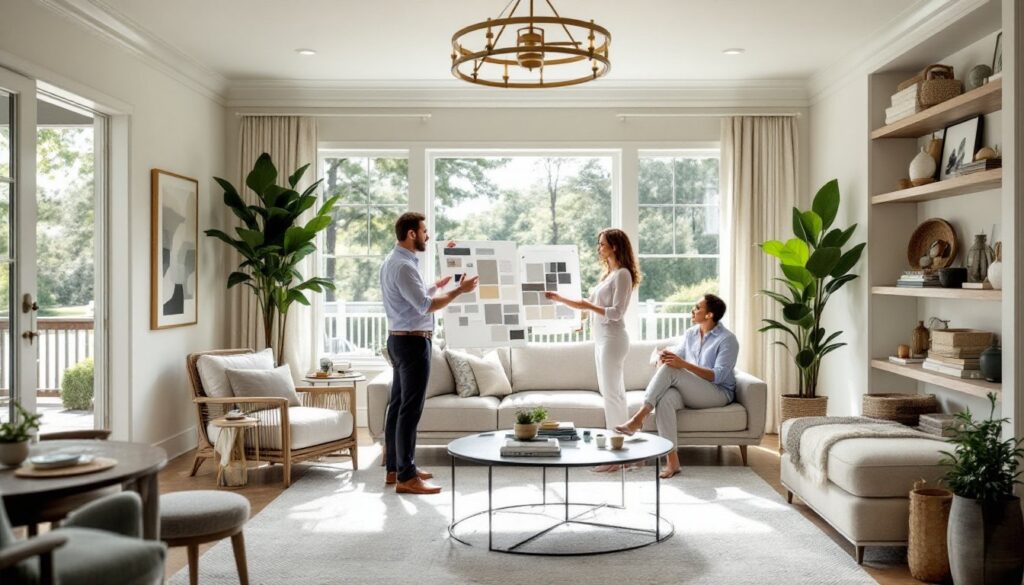
Color sets the mood for any room. It’s one of the most powerful tools in interior design for beginners, and it’s also where many people get stuck.
Start with the 60-30-10 rule. Sixty percent of the room should feature a dominant color (usually walls and large furniture). Thirty percent goes to a secondary color (curtains, accent chairs, rugs). The remaining ten percent is for accent colors (throw pillows, artwork, decorative objects). This ratio creates balance without requiring a design degree.
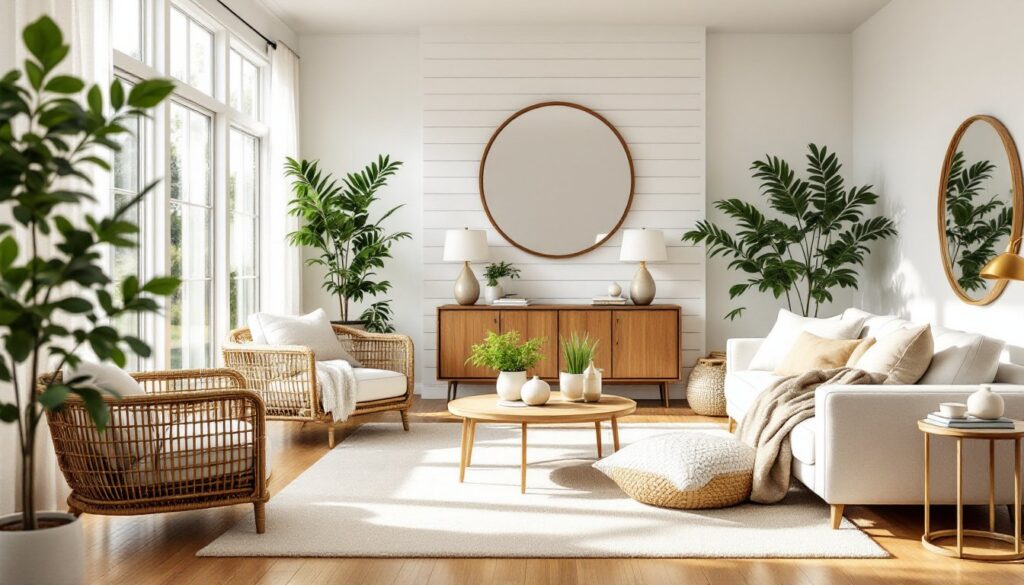
Neutral palettes, whites, grays, beiges, offer flexibility. They work well for those who change décor frequently or prefer a calm atmosphere. But neutrals don’t have to mean boring. Layering different textures and shades of the same neutral family adds depth and interest.
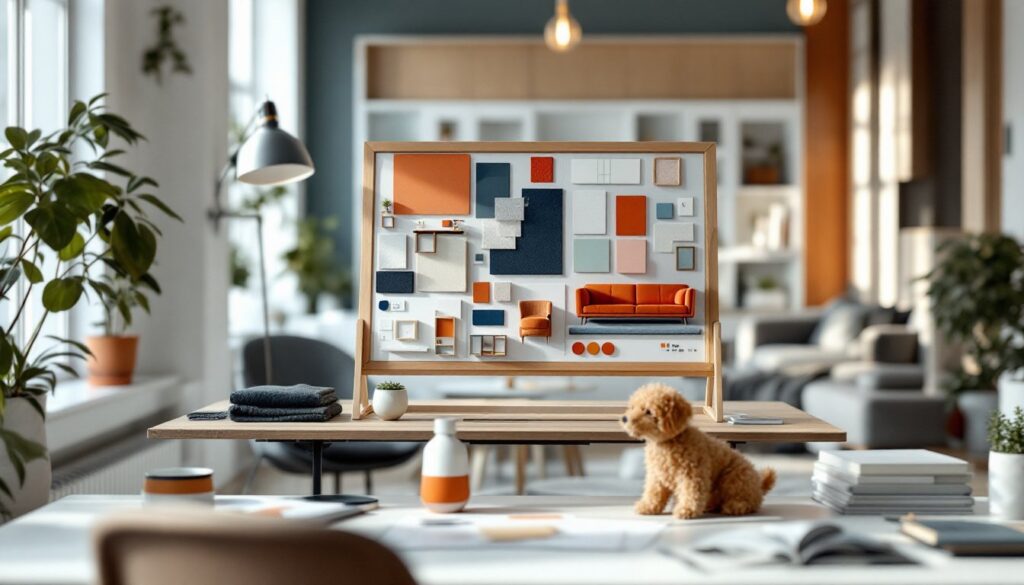
For bolder choices, color theory helps. Complementary colors (opposites on the color wheel, like blue and orange) create energy. Analogous colors (neighbors on the wheel, like green and blue) feel harmonious and relaxed.
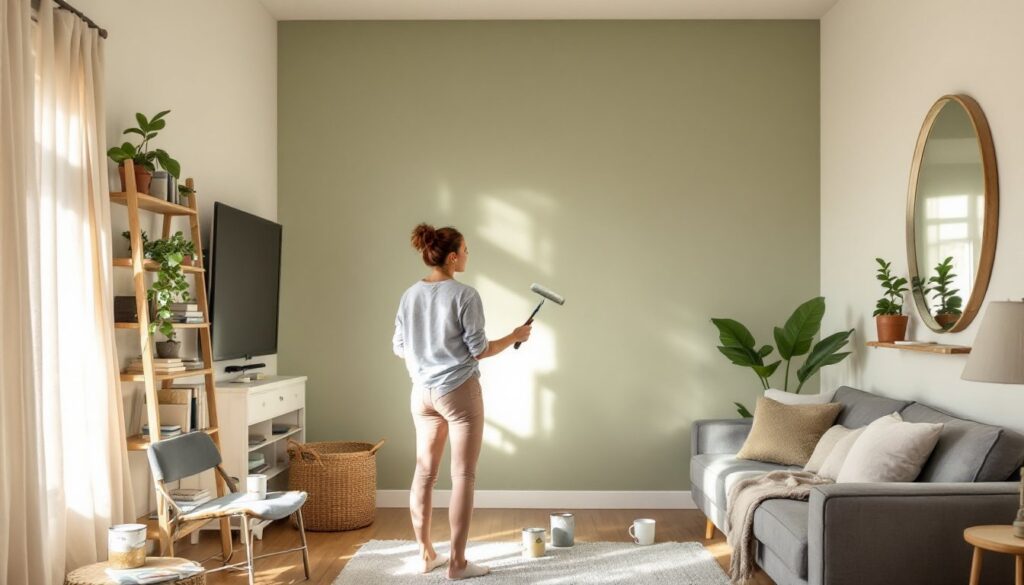
Test colors before committing. Paint samples on the wall and observe them at different times of day. Natural light changes everything. A gray that looks sophisticated at noon might read purple under evening lamplight.
Interior design for beginners often improves dramatically once a cohesive color palette is in place. It becomes the thread that connects every decision that follows.
Selecting Furniture and Arranging Your Layout
Furniture selection and placement can make or break a room. Even beautiful pieces will disappoint if they’re the wrong size or positioned awkwardly.
Measure first. This sounds obvious, but skipping this step causes countless headaches. Measure the room dimensions, doorways, and any existing pieces that will stay. Then measure potential furniture before buying. A tape measure and a simple floor plan sketch prevent expensive mistakes.
Start with the largest piece. In a living room, that’s usually the sofa. In a bedroom, it’s the bed. Position this piece first, then build the rest of the arrangement around it.
Create conversation areas. In living spaces, arrange seating so people can talk comfortably. Chairs and sofas should face each other, typically eight to ten feet apart. Coffee tables should sit within easy reach of all seating.
Leave breathing room. Walkways need at least three feet of clearance. Furniture pushed flat against walls often makes a room feel smaller, not larger. Floating furniture away from walls (even just a few inches) can add depth.
Interior design for beginners gets easier with a functional layout in place. The room should support how people actually live, not just how it looks in photos.
Consider traffic flow. People should be able to move through the space without bumping into furniture or taking awkward routes. If a path feels forced, rethink the arrangement.
Incorporating Lighting and Accessories
Lighting transforms a room. Good lighting makes everything look better. Bad lighting makes even expensive furnishings fall flat.
Layer three types of lighting for best results. Ambient lighting provides overall illumination, ceiling fixtures, recessed lights, or natural light from windows. Task lighting serves specific functions, like reading lamps or under-cabinet kitchen lights. Accent lighting highlights features, such as artwork or architectural details.
Dimmers are worth the investment. They allow adjustment based on time of day and activity. A dining room that’s bright for assignments can shift to soft and warm for dinner.
Accessories add personality and polish. But interior design for beginners often stumbles here through either too much or too little. The key is editing.
Group items in odd numbers. Three candlesticks or five small plants tend to look more appealing than even groupings. Vary heights within a group to create visual interest.
Scale matters with accessories too. Tiny items on a large shelf get lost. One statement piece often has more impact than a dozen small objects.
Plants bring life to any space. They add color, texture, and organic shapes that soften hard lines. Low-maintenance options like pothos or snake plants work well for those without green thumbs.
Mirrors reflect light and make rooms feel larger. Placing a mirror opposite a window maximizes natural light. Interior design for beginners benefits enormously from strategic mirror placement.
Common Beginner Mistakes to Avoid
Learning what not to do saves time, money, and frustration. Interior design for beginners often goes sideways because of a few predictable errors.
Buying everything at once from one store. Rooms look more interesting when they evolve over time. Mixing sources, vintage finds, budget basics, a few investment pieces, creates depth and character.
Ignoring the ceiling. Walls get all the attention, but the ceiling (sometimes called the fifth wall) affects how a room feels. Paint it a shade lighter than the walls to make it recede, or go darker for a cozy, intimate atmosphere.
Choosing all matching furniture. Sets that match perfectly often look flat and uninspired. Mix wood tones. Pair a modern coffee table with a vintage armchair. Contrast keeps things visually engaging.
Hanging art too high. The center of artwork should sit at eye level, roughly 57 to 60 inches from the floor. This applies whether the piece hangs alone or as part of a gallery wall.
Forgetting about function. A beautiful room that doesn’t work for daily life isn’t a success. Interior design for beginners should always balance aesthetics with practicality.
Skipping the rug or choosing one too small. Rugs anchor furniture groupings and add warmth. In living rooms, front legs of all major furniture pieces should rest on the rug at minimum.