

Table of Contents
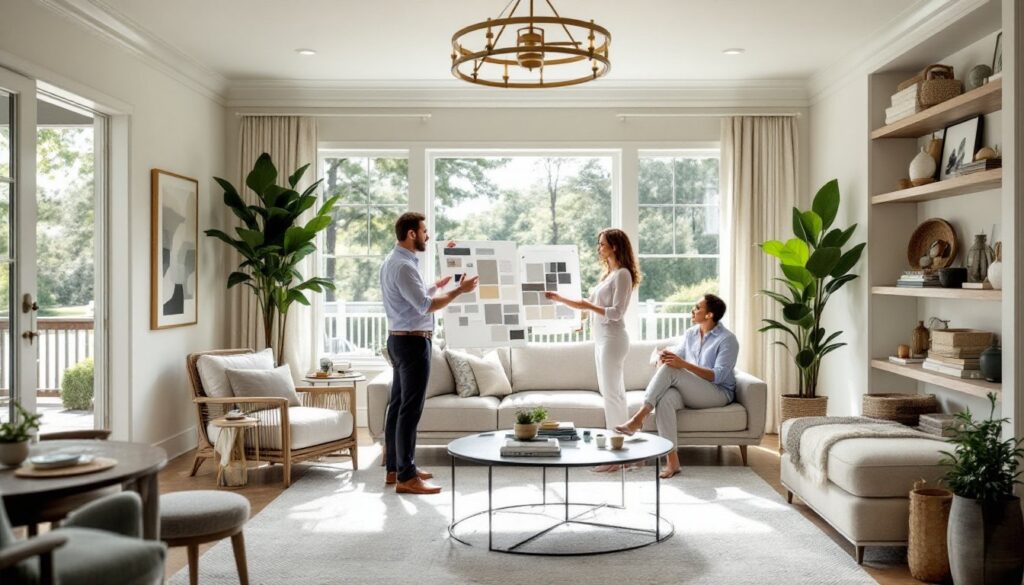
ToggleFresh interior design ideas can turn any room into a space that feels both personal and functional. Whether someone is moving into a new home or updating their current one, the right design choices make a real difference. From clean minimalist looks to bold color statements, today’s trends offer something for every taste and budget.
This guide covers practical interior design ideas that work in real homes. Each approach balances style with livability. The goal is simple: help readers create spaces they actually want to spend time in.
Key Takeaways
- Modern minimalist interior design ideas create calm, organized spaces by focusing on fewer, high-quality pieces and smart storage solutions.
- Bold colors like emerald green, terracotta, or navy blue can transform any room when balanced with neutral furniture or walls.
- Maximize natural light by using sheer curtains, strategically placed mirrors, and keeping tall furniture away from windows.
- Mixing vintage and contemporary elements adds character and supports sustainable living—aim for a 70/30 ratio between your dominant style and accents.
- Small spaces benefit from multifunctional furniture, vertical storage, and appropriately scaled pieces to feel both spacious and stylish.
- Texture through materials like linen, velvet, and natural wood adds warmth and visual interest without creating clutter.
Embracing Modern Minimalism
Modern minimalism remains one of the most popular interior design ideas for good reason. It creates calm, organized spaces that feel larger than they are. The core principle is straightforward: keep only what serves a purpose or brings joy.
Minimalist design starts with decluttering. Every item in a room should earn its place. This doesn’t mean living with bare walls and empty shelves. Instead, it means choosing fewer, better pieces.
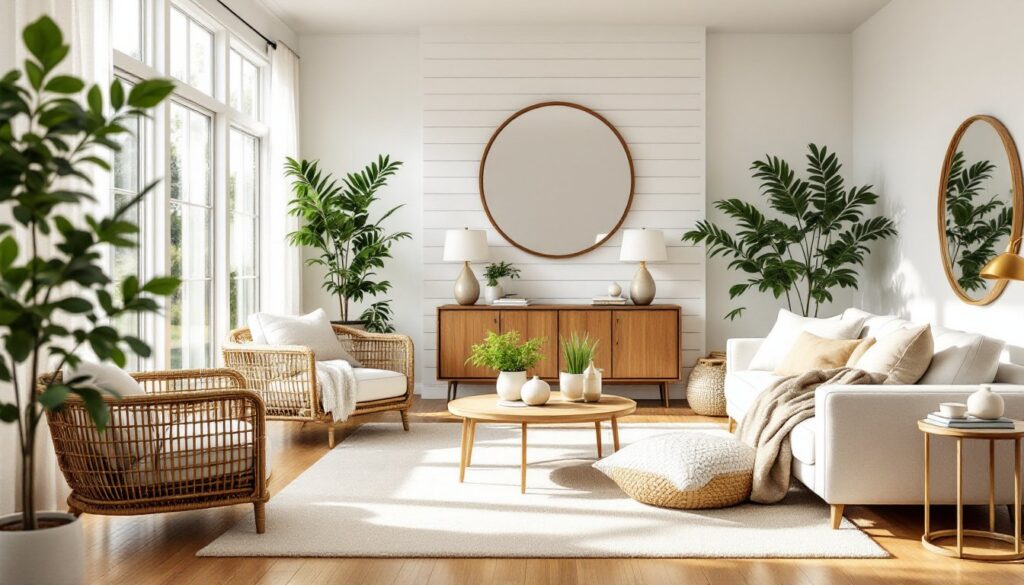
Color palettes in minimalist spaces typically stick to neutrals. White, gray, beige, and soft earth tones create a clean backdrop. Furniture should feature simple lines and quality materials. A well-made sofa in a solid color beats a busy patterned piece every time.
Storage plays a crucial role in minimalist interior design ideas. Built-in shelving, hidden cabinets, and furniture with storage compartments help maintain the clean aesthetic. When everything has a place, rooms stay tidy with less effort.
Texture adds interest without adding clutter. A linen throw, a wool rug, or wooden accents bring warmth to minimalist spaces. These elements prevent rooms from feeling sterile while maintaining the overall simplicity.
Incorporating Bold Colors and Textures
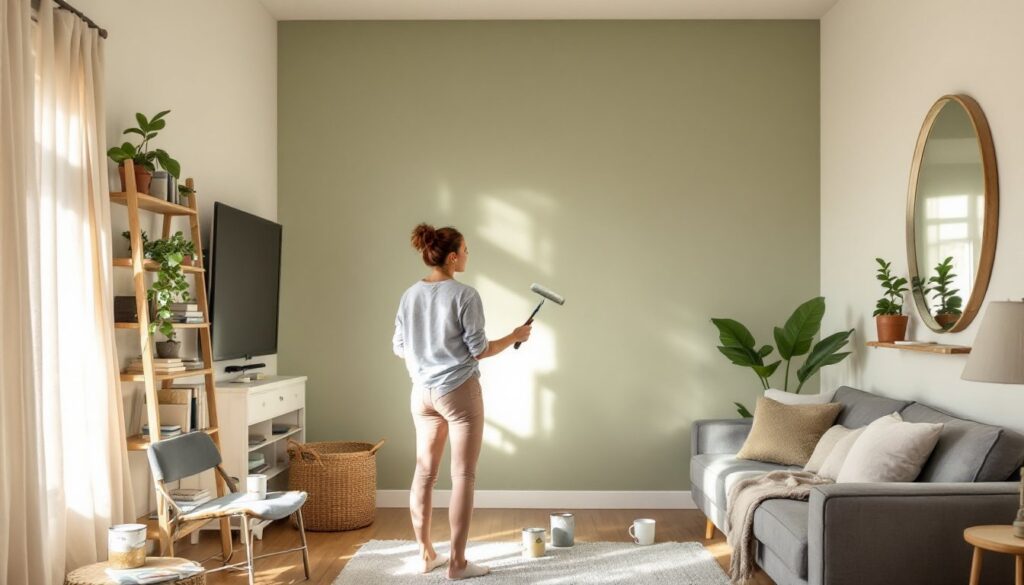
Bold colors offer some of the most exciting interior design ideas available today. A single accent wall in deep emerald green or rich terracotta can completely change a room’s personality. Color creates mood, defines spaces, and reflects individual style.
The key to using bold colors successfully lies in balance. Pair a vibrant wall color with neutral furniture. Or flip the approach, keep walls neutral and introduce color through a statement sofa or dramatic curtains.
Texture works alongside color to add depth. Velvet upholstery, textured wallpaper, woven baskets, and mixed metal finishes create visual interest. Layering different textures makes spaces feel collected and intentional rather than flat.
Some popular color combinations right now include:
- Navy blue with warm brass accents
- Sage green paired with cream and natural wood
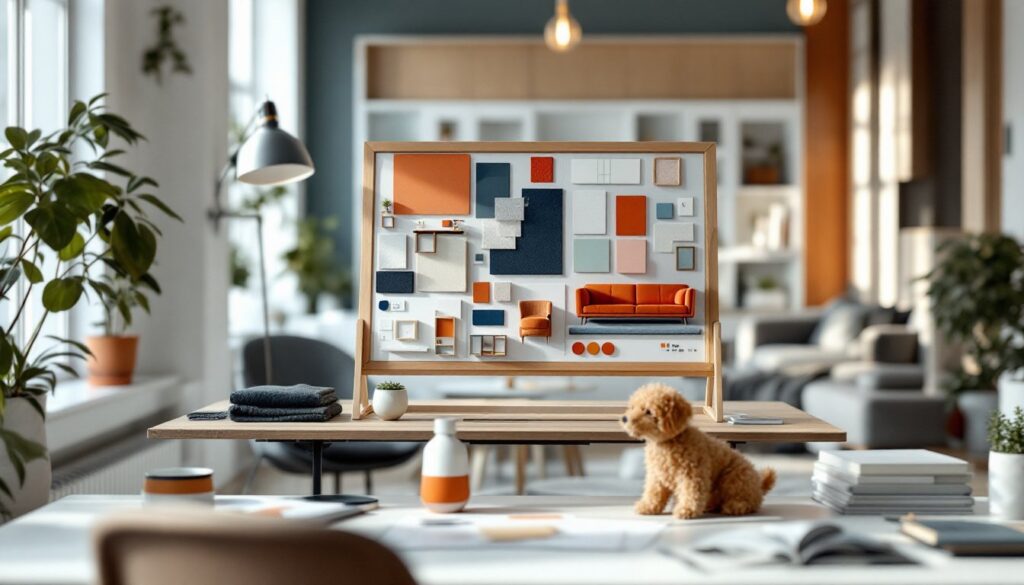
- Burnt orange against charcoal gray
- Dusty pink combined with deep burgundy
These interior design ideas work in any room. A bold headboard transforms a bedroom. Colorful tile brings life to a kitchen backsplash. Even small touches like colored lampshades or patterned throw pillows make an impact.
Don’t fear color. Start small if needed, a painted door, colorful artwork, or vibrant cushions test the waters without major commitment.
Maximizing Natural Light and Open Layouts
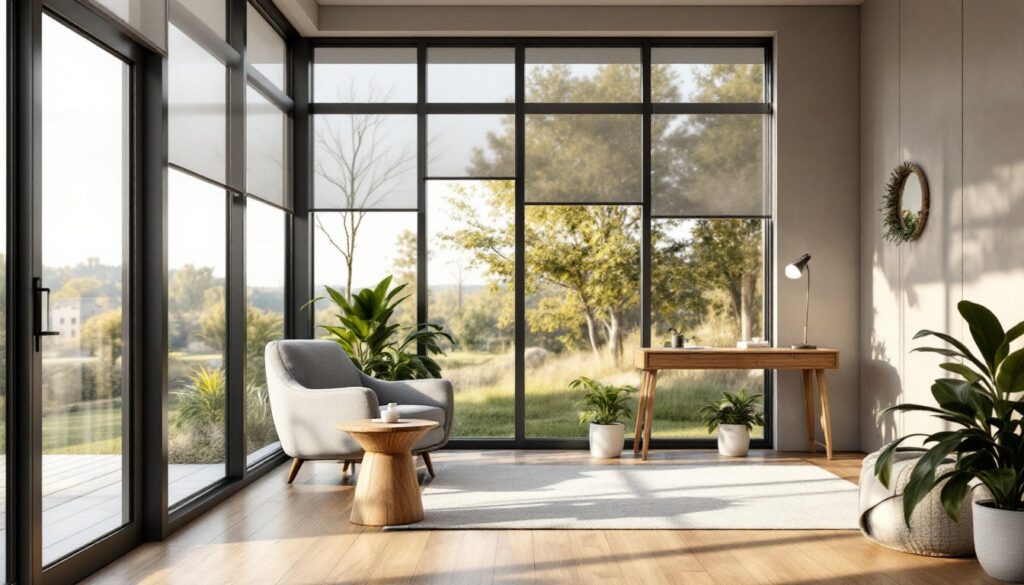
Natural light ranks among the most valuable assets in any home. Interior design ideas that maximize light create healthier, more inviting spaces. Light affects mood, energy levels, and how colors appear throughout the day.
Window treatments matter more than most people realize. Sheer curtains allow light while maintaining privacy. Blinds offer control over light levels throughout the day. Heavy drapes can frame windows beautifully but should pull back completely to avoid blocking light.
Mirrors amplify natural light effectively. Position them across from windows to bounce light deeper into rooms. A large mirror can make a dark hallway or small bathroom feel twice as bright.
Open layouts support light flow between spaces. Removing unnecessary walls or widening doorways connects rooms visually and lets light travel freely. Even partial solutions like half walls or glass partitions maintain openness while defining separate areas.
Furniture placement affects light too. Keep tall pieces away from windows. Choose furniture with legs rather than pieces that sit directly on the floor, this creates visual space and allows light to pass underneath.
These interior design ideas cost relatively little compared to their impact. Replacing heavy curtains with lighter options or rearranging furniture takes minimal investment but transforms how a space feels.
Blending Vintage and Contemporary Elements
Mixing old and new creates some of the most distinctive interior design ideas. A mid-century modern chair beside a sleek new sofa tells a story. Antique frames displaying contemporary art bridge different eras beautifully.
This approach avoids the catalog-showroom feel that happens when everything matches too perfectly. Rooms gain character through collected pieces acquired over time. Inherited furniture, thrift store finds, and new purchases coexist comfortably.
Balance matters in mixed-era spaces. Too many vintage pieces can feel dated. Too many contemporary items might lack warmth. The sweet spot usually falls around a 70/30 ratio, choose one era as the dominant style and accent with the other.
Vintage pieces that work well in modern spaces include:
- Wooden dressers and side tables
- Brass or bronze light fixtures
- Persian or Turkish rugs
- Framed vintage artwork or maps
- Ceramic vases and decorative objects
These interior design ideas also support sustainable living. Choosing vintage means fewer new items produced. Quality older furniture often outlasts cheaper modern alternatives. Plus, vintage pieces add uniqueness that mass-produced items simply cannot match.
Repainting or reupholstering old furniture bridges the gap between eras. A vintage chair with modern fabric feels fresh while keeping its original character.
Creating Functional and Stylish Small Spaces
Small spaces present unique design challenges, but they also inspire creative interior design ideas. Limited square footage demands smart solutions that serve multiple purposes without sacrificing style.
Multifunctional furniture is essential. A storage ottoman serves as seating, a coffee table, and hidden storage. A murphy bed transforms a bedroom into a home office. Nesting tables expand when needed and tuck away when not in use.
Vertical space often goes underused. Floor-to-ceiling shelving creates storage without consuming floor space. Floating shelves display items while keeping surfaces clear. Hooks on walls and behind doors provide hanging storage for everything from coats to kitchen utensils.
Color choices affect how large a space feels. Light colors reflect light and create an airy feeling. This doesn’t mean avoiding color entirely, a small room with one bold wall can feel dynamic rather than cramped.
Furniture scale matters in small rooms. Oversized pieces overwhelm limited spaces. Choose furniture proportional to the room. Transparent items like glass tables or acrylic chairs reduce visual bulk.
These interior design ideas prove that small spaces can feel both spacious and stylish. The constraints actually encourage better editing, keeping only items that truly earn their place.