

Table of Contents
ToggleGood interior design tips can turn any room from ordinary to exceptional. Whether someone is moving into a new home or refreshing a current space, smart design choices make a significant difference. The right approach combines color, furniture placement, lighting, and personal style into a cohesive look. This guide covers practical interior design tips that anyone can apply, no professional degree required. From establishing a clear vision to adding those finishing touches, these strategies help create spaces that feel both beautiful and livable.
Key Takeaways
- Start every interior design project by defining the room’s purpose and selecting a cohesive color palette of 3–5 colors.
- Choose furniture that matches your room’s scale—leave 30–36 inches of walking space and consider floating pieces away from walls.
- Layer three types of lighting (ambient, task, and accent) and use dimmer switches to create flexible, inviting spaces.
- Mix textures like velvet, wood, metal, and textiles to add depth and visual interest to any room.
- Incorporate personal touches such as family photos, travel finds, and plants to make your space feel unique and lived-in.
- Use these interior design tips to transform ordinary rooms into beautiful, functional spaces without hiring a professional.
Start With a Clear Vision and Color Palette
Every successful interior design project begins with intention. Before buying a single throw pillow, homeowners should define what they want a room to feel like. Is the goal a calm retreat? An energizing workspace? A cozy family gathering spot? That answer shapes every decision that follows.
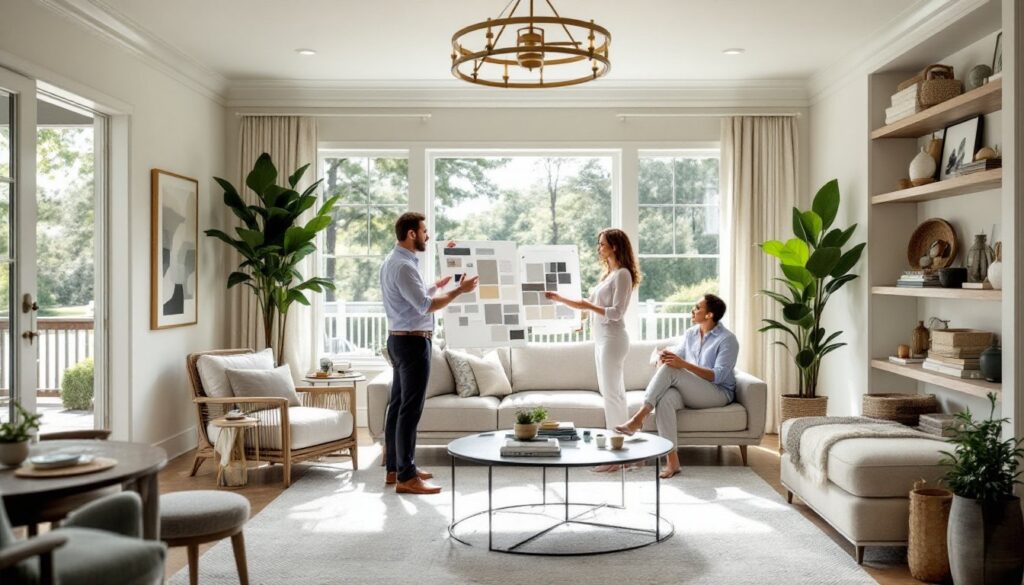
Color palette selection ranks among the most important interior design tips for good reason. Colors affect mood, perceived room size, and how furniture pieces relate to each other. A strong approach starts with choosing three to five colors: one dominant shade for walls and large furniture, one or two secondary colors for accent pieces, and a pop color for accessories.
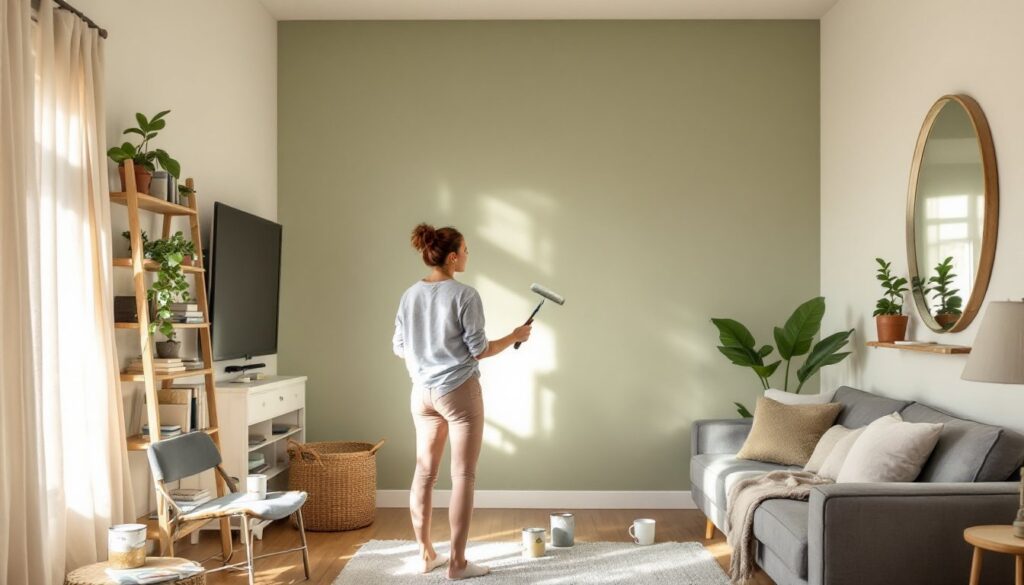
Neutral bases, think warm whites, soft grays, or gentle beiges, give flexibility. They allow accent colors to shine without competing for attention. Bold wall colors can work beautifully, but they require more careful coordination with furniture and décor.
Pro tip: Pull color inspiration from an existing piece. A favorite painting, a patterned rug, or even a treasured vase can provide a ready-made palette that feels personal and cohesive.
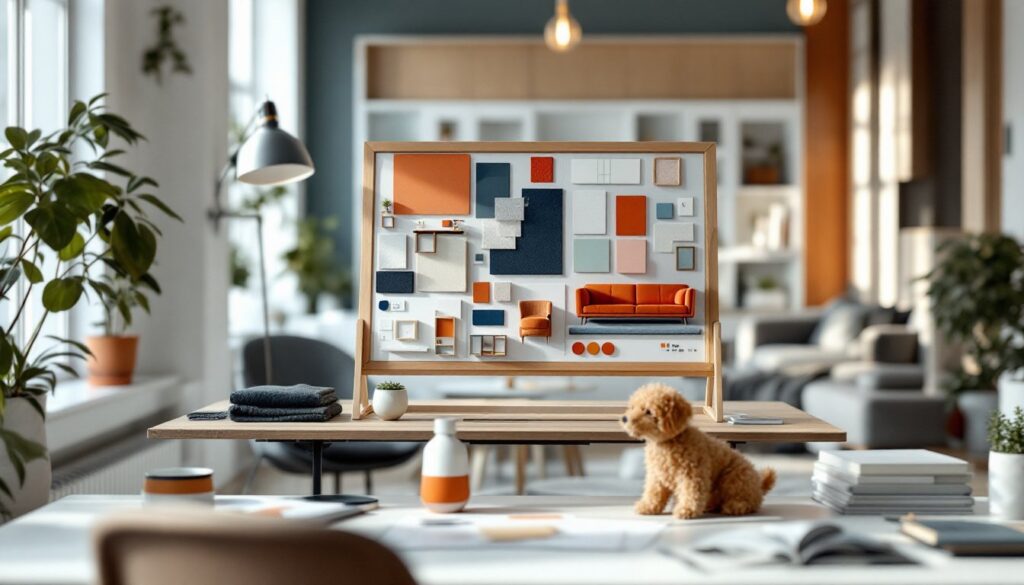
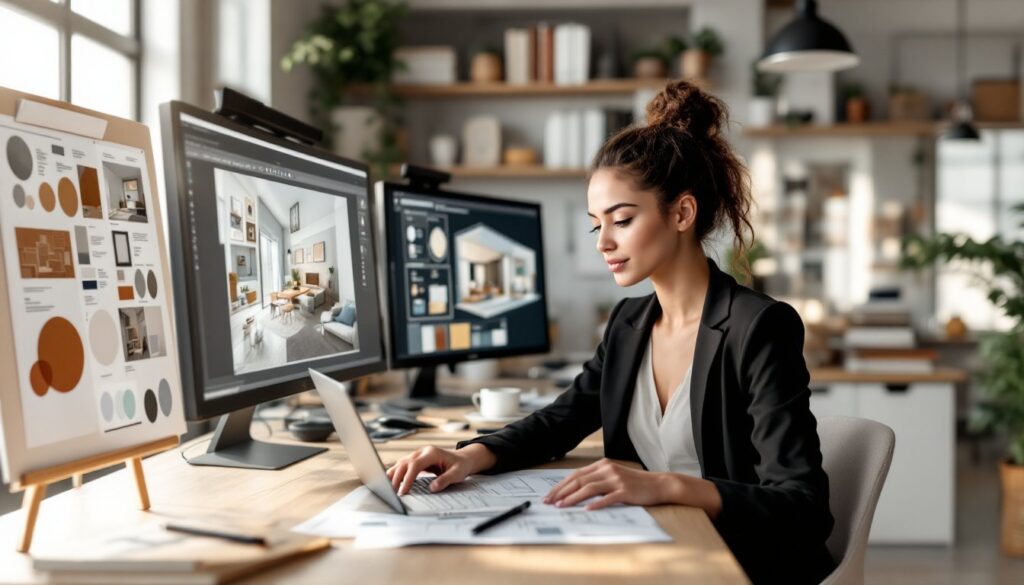
Mood boards help visualize how colors and textures work together before committing. Digital tools like Pinterest make this easy, but physical boards with fabric swatches and paint chips offer a more accurate sense of how materials interact in real light.
Balance Furniture Scale and Room Proportions
One of the most overlooked interior design tips involves furniture scale. A massive sectional sofa in a small living room feels cramped. Conversely, a tiny loveseat in a large space looks lost and uncomfortable.
The key lies in proportion. Large rooms need substantial furniture pieces or grouped arrangements that fill the space appropriately. Smaller rooms benefit from streamlined furniture with exposed legs, which creates visual breathing room.
Here’s a practical guideline: leave 30 to 36 inches of walking space around furniture groupings. This allows comfortable movement while maintaining a sense of togetherness in seating areas.
Floating furniture away from walls creates intimacy and better conversation flow. Many people push sofas against walls by default, but pulling them toward the room’s center often improves both function and aesthetics.
Vertical space matters too. Rooms with high ceilings can handle tall bookcases, floor-to-ceiling curtains, and statement light fixtures. Lower ceilings benefit from horizontal emphasis, long, low furniture pieces and artwork hung at eye level.
Another effective interior design tip: use area rugs to define zones within open floor plans. A rug under a dining table separates that space from the living area, even without physical walls. The rug should be large enough that furniture legs rest on it, at minimum, the front legs of sofas and chairs.
Layer Lighting for Function and Ambiance
Lighting transforms rooms more dramatically than almost any other design element. Yet many homes rely on a single overhead fixture and call it done. This misses huge opportunities.
Effective lighting uses three layers: ambient, task, and accent. Ambient lighting provides overall illumination, think ceiling fixtures, recessed lights, or large pendant lamps. Task lighting serves specific activities like reading, cooking, or working. Accent lighting highlights architectural features, artwork, or decorative objects.
Layering these three types creates depth and flexibility. A living room might combine recessed ceiling lights (ambient), table lamps by reading chairs (task), and picture lights above artwork (accent). Dimmer switches add another level of control, allowing mood adjustments throughout the day.
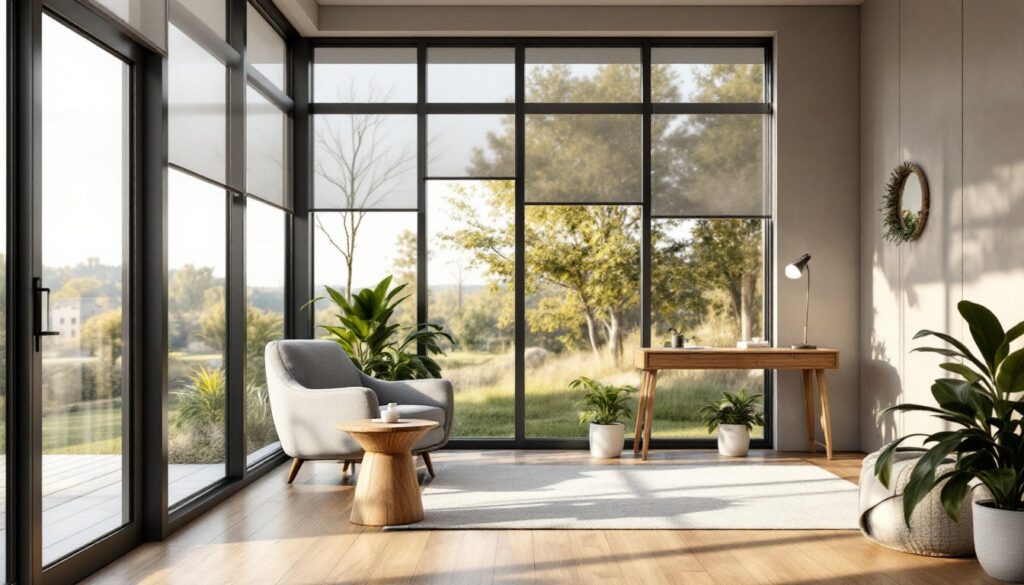
Natural light deserves attention in any interior design tips discussion. Window treatments should maximize daylight while providing privacy options. Sheer curtains diffuse harsh sunlight beautifully, while blackout options help bedrooms.
Mirrors strategically placed opposite windows bounce light deeper into rooms. This old designer trick works especially well in darker spaces or north-facing rooms.
Light bulb color temperature affects ambiance significantly. Warm tones (2700-3000K) create cozy, relaxed feelings, ideal for living rooms and bedrooms. Cooler temperatures (3500-4000K) promote alertness and work well in kitchens and home offices.
Incorporate Texture and Personal Touches
Texture brings rooms to life. A space with only smooth surfaces feels flat and uninviting, regardless of how beautiful the colors are. Mixing textures, rough with smooth, matte with shiny, soft with hard, creates visual interest and tactile appeal.
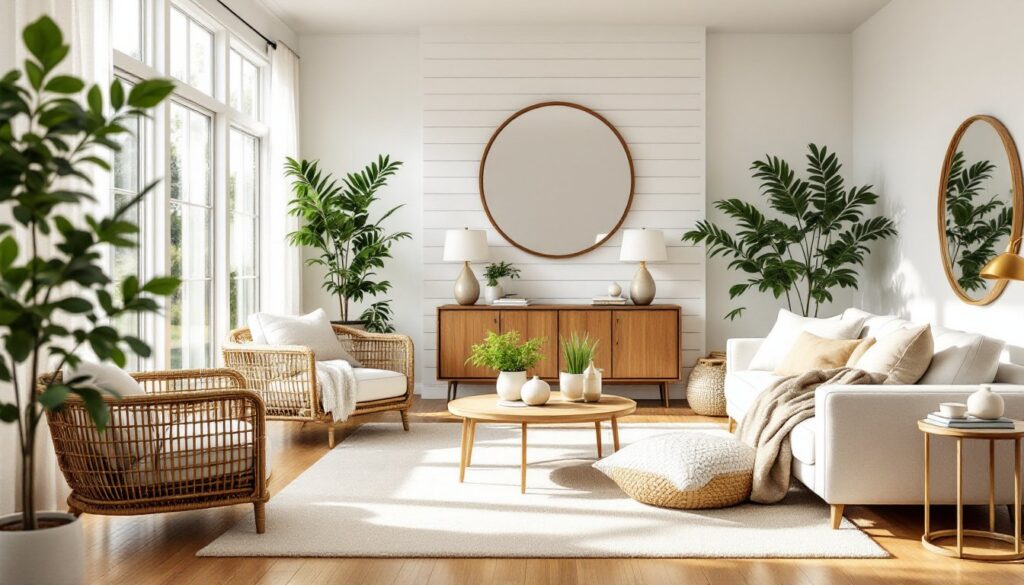
Consider these texture combinations: a velvet sofa against a brick wall, a sleek metal lamp on a rustic wood table, or a chunky knit throw draped over a leather chair. These contrasts make spaces feel layered and collected rather than catalog-perfect.
Textiles offer the easiest texture entry point. Throw pillows, blankets, curtains, and rugs can shift a room’s entire feel. Swapping out textiles seasonally keeps spaces fresh, heavier fabrics and warmer tones for winter, lighter materials and brighter colors for summer.
Personal touches separate designed spaces from generic ones. Family photos, travel souvenirs, collected objects, and inherited pieces tell stories. These items can’t be bought at a store, and they make homes unique.
That said, editing matters. Not every treasured item needs display space. Rotating collections or grouping similar objects together creates intentional vignettes rather than cluttered surfaces.
Plants deserve mention among essential interior design tips. They add life, color, and improved air quality. Even those without green thumbs can maintain pothos, snake plants, or ZZ plants with minimal effort.
Books, both stacked and shelved, add color and personality. They signal the interests and passions of those who live there, far more meaningful than generic decorative objects.