



Table of Contents
ToggleInterior design vs interior decorating, people use these terms interchangeably all the time. They shouldn’t. These are two distinct professions with different skill sets, training requirements, and project scopes. One involves structural changes and space planning. The other focuses on aesthetics and furnishings. Understanding the difference between interior design and interior decorating helps homeowners and business owners hire the right professional for their project. It also prevents budget surprises and mismatched expectations. This guide breaks down what each profession involves, how they differ, and which one fits specific project needs.
Key Takeaways
- Interior design vs interior decorating represents two distinct professions—designers handle structural changes and space planning, while decorators focus on aesthetics and furnishings.
- Interior designers require formal education, often a bachelor’s degree, and many states mandate NCIDQ certification for licensing.
- Interior decorators can practice with minimal formal training, relying on experience, natural talent, and portfolio strength.
- Hire an interior designer for projects involving wall removals, building code compliance, or complete space reconfiguration.
- Choose an interior decorator when updating furniture, colors, and accessories without structural modifications.
- Interior design costs $100–$500 per hour compared to $50–$200 for decorating, reflecting the difference in technical expertise required.
What Is Interior Design?
Interior design is a professional discipline that combines art, architecture, and engineering principles. Interior designers create functional, safe, and visually appealing spaces. They work on the structural elements of a room or building.
Interior designers hold formal education credentials. Most have bachelor’s degrees in interior design or related fields. Many states require interior designers to pass the NCIDQ (National Council for Interior Design Qualification) exam. This certification demonstrates competency in building codes, construction standards, and design principles.
Core Responsibilities of Interior Designers
Interior designers handle several technical tasks:
- Space planning: They analyze how people move through a space and optimize layouts for flow and function.
- Structural modifications: They work with architects and contractors on wall removals, room additions, and floor plan changes.
- Building codes: They ensure designs meet local safety regulations, ADA requirements, and fire codes.
- Technical drawings: They create detailed blueprints, elevations, and construction documents.
- Project management: They coordinate with contractors, electricians, plumbers, and other tradespeople.
Interior design projects often involve renovations, new construction, or commercial spaces. Designers might reconfigure an office layout to improve workflow. They could redesign a restaurant kitchen to meet health department standards. The scope extends beyond surface-level changes.
The interior design process typically takes longer than decorating projects. A full home redesign might span several months. Commercial projects can take a year or more depending on permits and construction timelines.
What Is Interior Decorating?
Interior decorating focuses on the aesthetic elements of a space. Decorators select colors, furniture, fabrics, and accessories to create a desired look and feel. They work within the existing structure of a room.
Interior decorators don’t need formal licensing in most states. Many decorators develop their skills through experience, short courses, or certification programs. Natural talent for color, pattern, and composition matters more than academic credentials in this field.
What Interior Decorators Do
Interior decorators handle these visual elements:
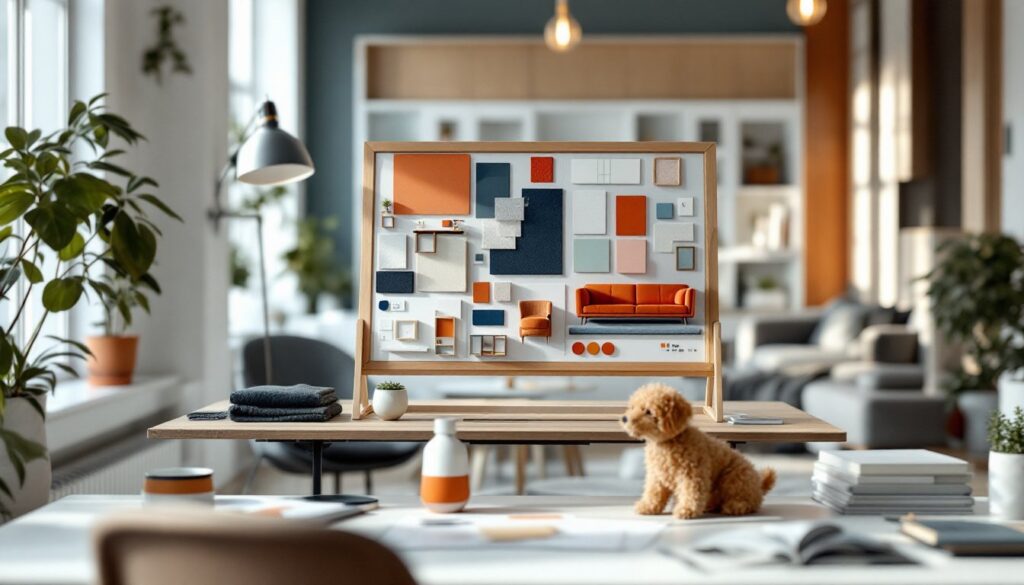
- Color schemes: They select paint colors, coordinate palettes, and balance tones throughout a space.
- Furniture selection: They choose pieces that fit the style, scale, and budget of a project.
- Soft furnishings: They pick curtains, rugs, pillows, and upholstery fabrics.
- Accessories: They source artwork, lighting fixtures, plants, and decorative objects.
- Styling: They arrange items to create visual interest and cohesion.
Decorating projects typically have shorter timelines than interior design work. A living room refresh might take a few weeks. A whole-house decorating project could wrap up in one to three months.
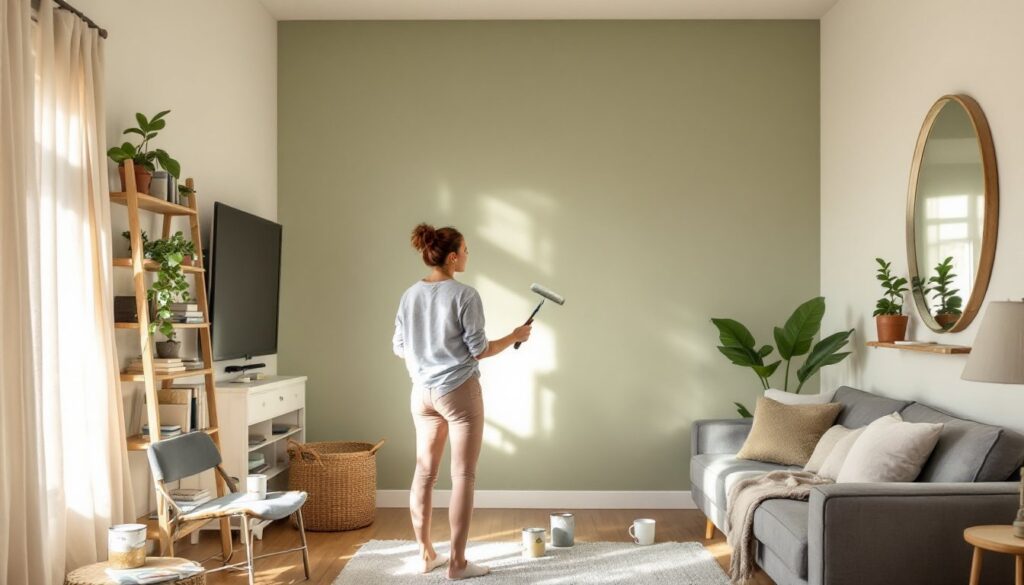
Interior decorating works well for people who like their floor plan but want a new look. It’s ideal for renters who can’t make structural changes. Decorators help clients express their personal style through furnishings and finishes.
Main Differences Between Interior Design and Interior Decorating
The interior design vs interior decorating debate comes down to scope, training, and project type. Here’s a clear breakdown of how these professions differ.
Education and Credentials
Interior designers complete formal education programs. A bachelor’s degree takes four years. Many pursue master’s degrees for specialized work. Licensing requirements vary by state, about half of U.S. states regulate the title “interior designer.”
Interior decorators can start practicing with minimal formal training. Certification programs exist but aren’t mandatory. Experience and portfolio strength matter more than diplomas.
Scope of Work
Interior designers can modify building structures. They move walls, change doorways, and redesign floor plans. They read and create technical drawings. They understand load-bearing walls from non-structural ones.
Interior decorators work with existing spaces. They don’t touch walls, plumbing, or electrical systems. Their changes are surface-level, paint, furniture, decor.
Cost Comparison
Interior design services cost more due to the technical expertise involved. Designers charge $100-$500 per hour or 10-20% of the total project budget. Large projects might use flat fees.
Interior decorating typically costs less. Decorators charge $50-$200 per hour on average. Some work on commission from furniture purchases.
| Factor | Interior Design | Interior Decorating |
|---|---|---|
| Education | Degree required | Optional |
| Licensing | Often required | Rarely required |
| Structural work | Yes | No |
| Average hourly rate | $100-$500 | $50-$200 |
| Project timeline | Months to years | Weeks to months |
Which One Do You Need?
Choosing between interior design vs interior decorating depends on the project scope and goals.
Hire an Interior Designer When:
- The project involves structural changes like removing walls or adding rooms
- Building codes and permits apply to the work
- The space needs complete reconfiguration for better function
- Commercial spaces require ADA compliance or health code adherence
- New construction needs professional space planning
- The budget allows for comprehensive professional services
Hire an Interior Decorator When:
- The floor plan works well but the aesthetics need updating
- Furniture, color, and accessories need professional coordination
- Rental properties limit structural modifications
- Budget constraints rule out major renovations
- A single room needs a style refresh
- Seasonal updates or staging for sale require quick turnaround
Some professionals offer both interior design and decorating services. These hybrid experts handle everything from floor plan changes to pillow selection. Ask potential hires about their specific training and project experience.
Budget plays a major role in this decision. Structural work costs significantly more than cosmetic changes. A kitchen remodel runs $15,000-$75,000 on average. Redecorating that same kitchen with new paint, hardware, and accessories might cost $2,000-$5,000.
Project timeline matters too. Interior design projects require permits, contractor coordination, and construction phases. Decorating projects move faster since they skip the building process.