

Table of Contents
ToggleInterior design shapes how people live, work, and feel within a space. It combines aesthetics with function to create rooms that look beautiful and serve practical needs. Whether someone is renovating a single room or designing an entire home, understanding interior design principles helps them make smarter choices.
Good interior design does more than pick pretty colors. It considers traffic flow, lighting, furniture scale, and how occupants actually use each room. The result? Spaces that feel intentional, comfortable, and uniquely personal.
This guide covers essential interior design concepts, popular styles worth exploring, and practical steps for starting a project. It also addresses budgeting strategies and when hiring a professional makes sense.
Key Takeaways
- Interior design combines aesthetics with function, focusing on balance, proportion, rhythm, emphasis, and harmony to create intentional, comfortable spaces.
- Popular interior design styles include Modern, Scandinavian, Industrial, Traditional, Bohemian, and Transitional—each offering a distinct direction for your project.
- Start any interior design project by assessing the space, defining its function, creating a mood board, and selecting the largest furniture pieces first.
- Invest your budget in high-use items like sofas and mattresses while saving on easily replaceable accessories like throw pillows and curtains.
- Hire a professional interior designer for complex renovations, large budgets, time constraints, or tricky spaces where expertise prevents costly mistakes.
Understanding the Core Principles of Interior Design
Every successful interior design project builds on foundational principles. These aren’t arbitrary rules, they’re guidelines that help create visually pleasing, functional spaces.
Balance refers to how visual weight distributes across a room. Symmetrical balance places matching elements on either side of a central point. Asymmetrical balance uses different objects with similar visual weight. A large sofa, for instance, might balance against two smaller chairs and a side table.
Proportion and scale matter more than most people realize. A massive sectional in a tiny apartment overwhelms the space. Delicate furniture in a grand living room looks lost. Interior design success depends on matching furniture size to room dimensions.
Rhythm creates visual movement through repetition, progression, or contrast. Repeating a color in throw pillows, artwork, and a rug ties a room together. Progression might involve graduating sizes, small to medium to large decorative objects on a shelf.
Emphasis establishes a focal point. Every room needs something that draws the eye first. This could be a fireplace, a statement piece of furniture, or a bold wall treatment. Without emphasis, spaces feel chaotic or bland.
Harmony and unity ensure all elements work together. This doesn’t mean everything matches perfectly. It means colors, textures, and styles share a common thread that makes the space feel cohesive.
Understanding these interior design principles gives homeowners a framework for making decisions. They can evaluate why a room feels “off” and identify specific fixes.
Popular Interior Design Styles to Consider
Choosing an interior design style provides direction for every decision that follows. Here are styles that remain popular and timeless.
Modern interior design features clean lines, minimal ornamentation, and neutral color palettes. It emphasizes function and uses materials like steel, glass, and concrete. Furniture tends toward simple geometric shapes.
Contemporary style reflects current trends and borrows from multiple eras. It’s more fluid than modern design, incorporating curves and softer elements. Contemporary interior design often features bold accent colors against neutral backgrounds.
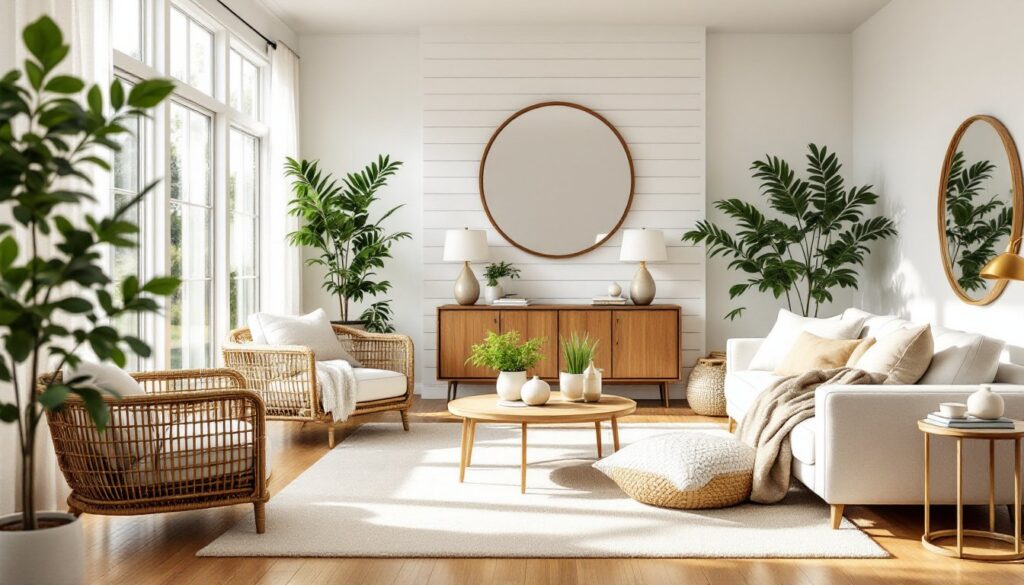
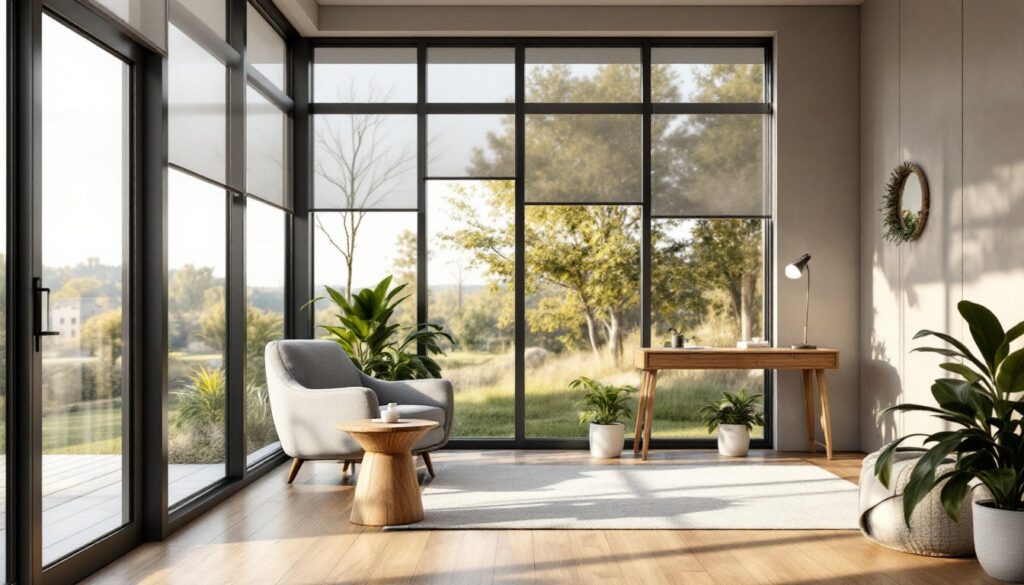
Scandinavian design prioritizes simplicity, functionality, and connection to nature. Expect light woods, white walls, cozy textiles, and plenty of natural light. This interior design approach makes small spaces feel open and airy.
Industrial style celebrates raw materials and architectural elements. Exposed brick, ductwork, and metal fixtures define this look. It works particularly well in loft spaces and urban apartments.
Traditional interior design draws from European decor of the 18th and 19th centuries. Rich colors, ornate furniture, and symmetrical arrangements characterize this style. It creates formal, elegant spaces.
Bohemian style embraces eclecticism and personal expression. Layered textiles, global influences, and collected objects create a relaxed, artistic atmosphere. Rules are flexible, the goal is a space that feels lived-in and authentic.
Transitional interior design blends traditional and contemporary elements. It offers the warmth of classic styles with the cleaner lines of modern design. This approach appeals to homeowners who find pure modern too cold and pure traditional too formal.
How to Start Your Interior Design Project
Starting an interior design project can feel overwhelming. Breaking it into steps makes the process manageable.
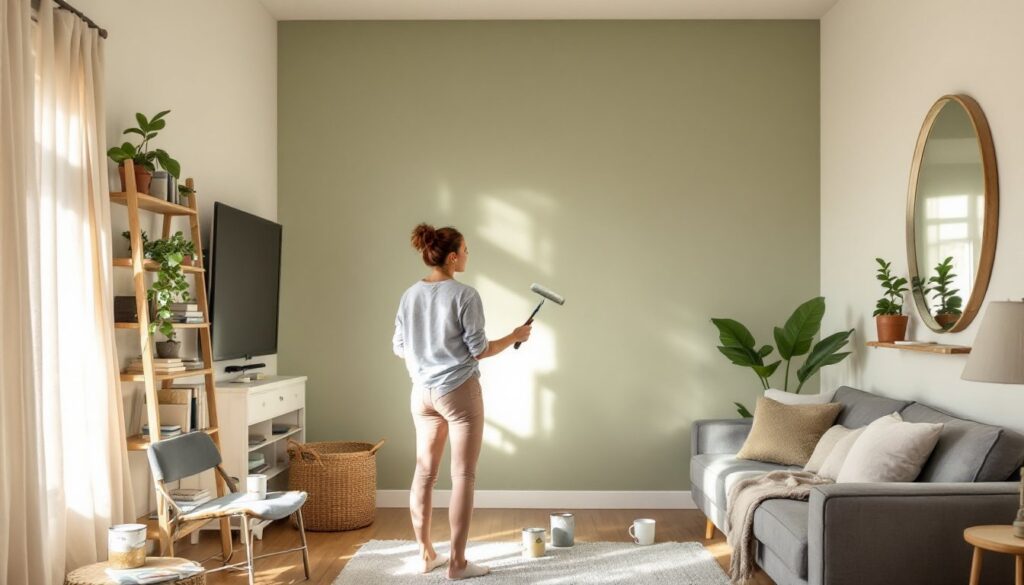
Assess the space first. Measure the room dimensions, note architectural features, and identify fixed elements like windows and electrical outlets. Take photos from multiple angles. This information guides every decision.
Define how the space will function. A living room for entertaining needs different interior design solutions than one primarily used for family movie nights. Write down specific activities that will happen in the room.
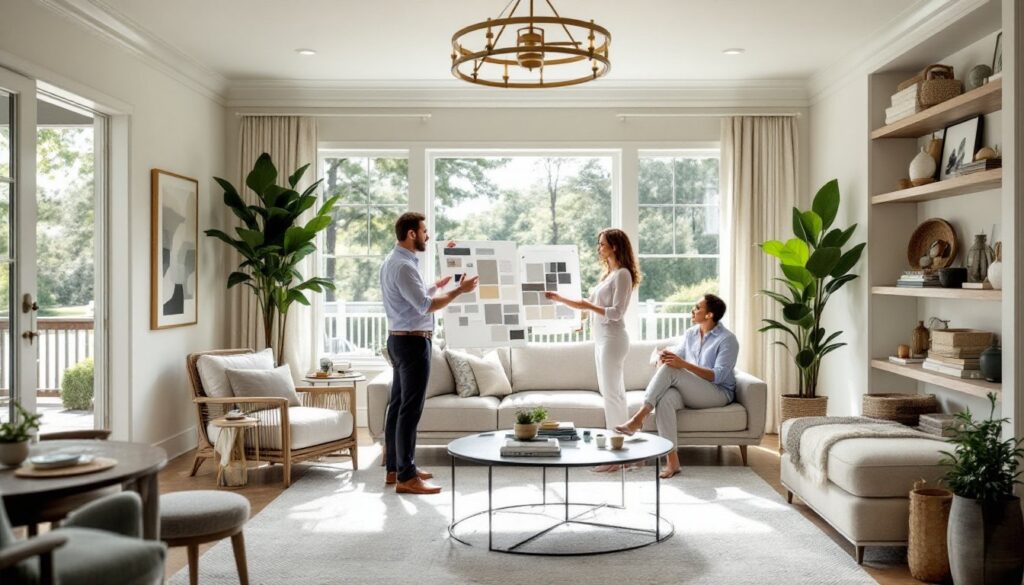
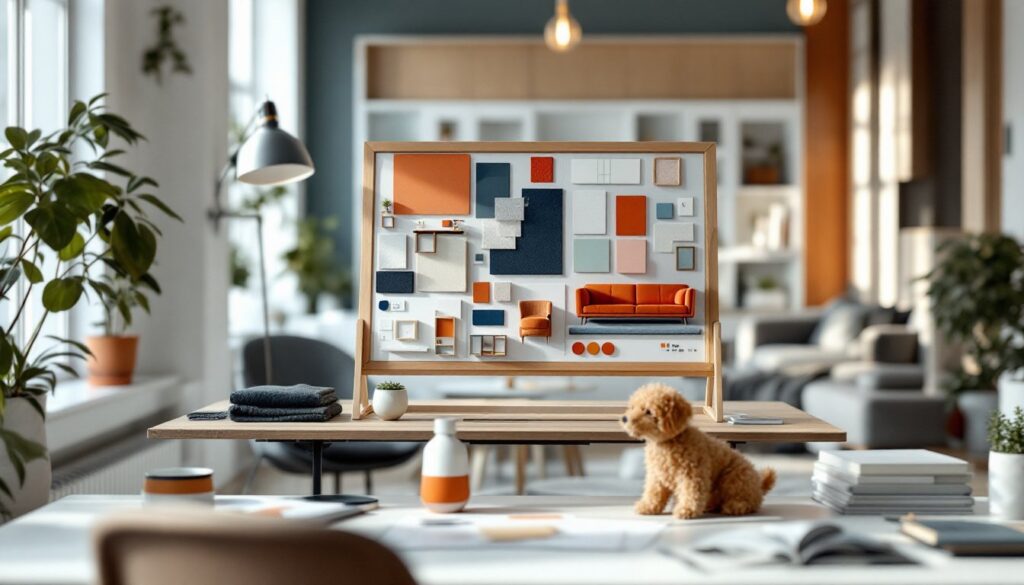
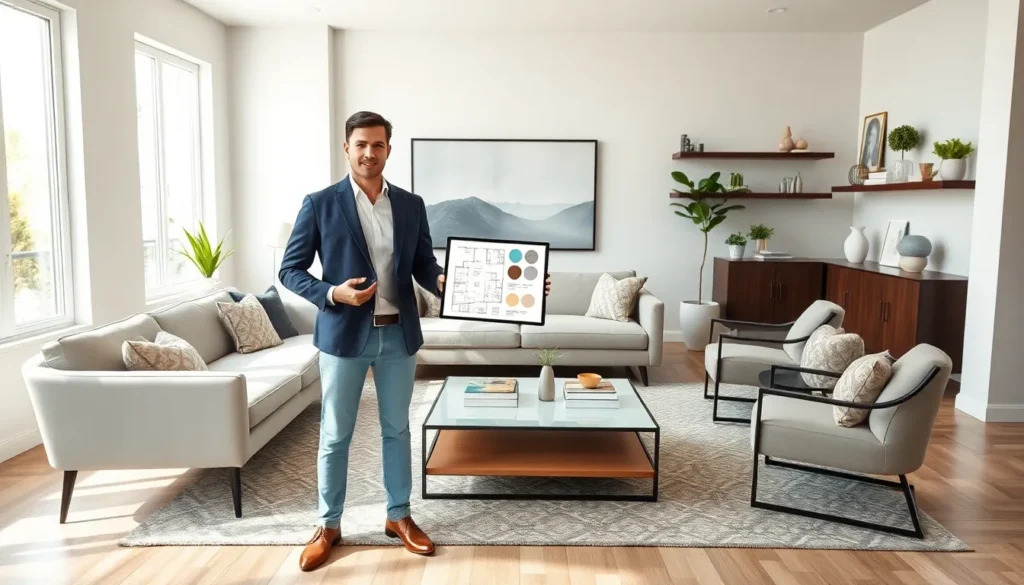
Create a mood board. Collect images, fabric swatches, paint chips, and material samples that appeal to you. Apps like Pinterest make digital mood boards easy. Patterns emerge, certain colors, textures, or styles keep appearing.
Establish a timeline. Interior design projects typically take longer than expected. Factor in lead times for furniture orders (sometimes 8-12 weeks), contractor availability, and shipping delays.
Start with the largest pieces. The sofa, bed, or dining table anchors the room. These pieces determine scale and placement for everything else. Choosing them first prevents expensive mistakes.
Layer in secondary elements. After major furniture, add rugs, lighting, window treatments, and accent furniture. These pieces refine the interior design and add personality.
Finish with accessories. Artwork, plants, books, and decorative objects complete the space. They’re also the easiest to change as tastes evolve.
Budgeting and Prioritizing Design Elements
Money matters in interior design. Smart budgeting stretches dollars further and prevents regret.
Set a realistic total budget before making any purchases. Include a 15-20% buffer for unexpected costs, they always appear. Divide the budget across categories: furniture, lighting, textiles, paint, and accessories.
Invest in quality for high-use items. A sofa that gets daily use deserves a bigger budget allocation than a decorative chair in a corner. Mattresses, dining chairs, and primary seating should prioritize durability and comfort.
Save on items that are easy to replace. Throw pillows, curtains, and small decor pieces can be budget-friendly. Interior design trends change, and these items are simple to swap out later.
Consider cost-per-use. An expensive rug in a high-traffic area might last ten years. A cheap alternative might need replacement in two. Sometimes spending more upfront costs less over time.
Mix price points intentionally. Pairing a vintage splurge piece with affordable basics creates visual interest. Not everything needs to come from the same store or price tier.
Don’t forget hidden costs. Interior design budgets should include delivery fees, installation charges, and any necessary repairs or prep work. A beautiful paint color means nothing if walls need patching first.
Phase the project if necessary. Better to have a finished living room and incomplete bedroom than two half-done spaces. Phased interior design allows for larger investments over time.
When to Hire a Professional Interior Designer
DIY interior design works for many projects. But certain situations call for professional help.
Complex renovations benefit from expertise. When walls move, plumbing relocates, or electrical systems change, an interior designer coordinates with contractors and ensures the finished space functions properly.
Large budgets warrant professional guidance. Expensive mistakes hurt more. A designer’s fee often pays for itself by preventing costly errors and securing trade discounts on furnishings.
Time constraints make professionals valuable. Interior design requires countless decisions. Professionals streamline the process, manage vendors, and handle logistics that would consume hours of a homeowner’s time.
Specific expertise helps with tricky spaces. Odd room shapes, low ceilings, or challenging layouts require creative solutions. Experienced interior designers have solved similar problems before.
Returns matter for investment properties. Staging and design directly affect sale prices. Professional interior design can increase property value beyond the cost of services.
When hiring, check portfolios carefully. Look for projects similar in scope and style to yours. Ask about their process, timeline expectations, and fee structure. Good interior designers clarify costs upfront and respect budgets.
Some designers charge hourly rates, others work on flat fees, and some earn commissions on purchases. Each model has advantages depending on project scope.