

Table of Contents
ToggleNew Orleans interior design style is unmistakable, it’s a layered blend of European elegance, Caribbean warmth, and bohemian flair that feels both sophisticated and lived-in. Unlike cookie-cutter design trends that come and go, this aesthetic has endured for centuries, rooted in the city’s rich cultural history and its unique mix of Spanish, French, African, and American influences. Whether you’re drawn to the romantic wrought-iron details, the moody jewel-toned walls, or the eclectic mix of furniture that somehow works together perfectly, bringing New Orleans charm into your home doesn’t require living in the French Quarter. You can authentically capture this style with the right color choices, materials, and decorative elements, and the good news is that it works well in homes of any size or region.
Key Takeaways
- New Orleans interior design blends European elegance, Caribbean warmth, and bohemian flair through centuries of Spanish, French, African, and American cultural influences that create a timeless aesthetic.
- The signature New Orleans style relies on jewel-tone wall colors (emerald, sapphire, burgundy), ornate architectural details, wrought-iron accents, and layered lighting to establish sophistication and warmth.
- Authentic New Orleans interior design requires commitment to eclectic layering—mixing antique and contemporary pieces, high and low materials, and varying artwork heights—rather than coordinated, matching furniture sets.
- Quality materials including plaster walls, hardwood floors, marble countertops, brass fixtures, and natural-fiber textiles are essential because they age beautifully and define the style’s enduring character.
- Common mistakes to avoid include confusing New Orleans design with generic Southern farmhouse style, using jewel tones as mere accent walls, and skipping architectural details like crown molding and statement chandeliers.
- You can authentically capture New Orleans interior design in any home by starting with one room, fully embracing the jewel-tone color palette, and investing in materials and details that reflect the city’s distinctive cultural heritage.
The History and Origins of New Orleans Design
New Orleans design didn’t develop overnight, it’s a direct result of the city’s complex colonial history and the cultures that shaped it. When French settlers arrived in the early 1700s, they brought neoclassical and rococo influences. The Spanish occupation added their own architectural vocabulary, especially visible in the Creole cottages and colonial-era homes that still dot the French Quarter. Later, wealthy plantation owners imported Caribbean and African design elements, creating an entirely new aesthetic that blended Old World refinement with exotic, bohemian warmth.
The city’s geography mattered too. The humid subtropical climate meant deep overhangs, covered galleries, and interior courtyards became practical necessities, not luxuries. Materials that could withstand moisture and heat became standard: plaster walls, clay tiles, and durable hardwoods. These practical choices became design signatures. By the 19th century, New Orleans had developed a fully distinctive style that was both functional and deliberately ornamental. It’s this combination of necessity meeting artistry that makes the aesthetic so timeless and so difficult to replicate elsewhere without understanding the ‘why’ behind each choice.
Today, when designers and homeowners recreate New Orleans interiors, they’re tapping into centuries of cultural layering. Understanding this history helps explain why the style feels so cohesive even when it looks eclectic at first glance. It’s not random, every element has a reason.
Key Characteristics That Define New Orleans Style
New Orleans interiors share several recognizable hallmarks that set them apart from other Southern or colonial styles. First is the prominent use of architectural details, ceiling medallions, crown molding, tall baseboards, and ornamental plasterwork are almost always present. These details create visual richness without relying solely on furniture or artwork.
Wrought iron is another signature element, appearing in stair railings, door hardware, wall sconces, mirrors, and decorative wall pieces. Unlike sleek modern ironwork, New Orleans wrought iron tends toward ornate, flowing designs that feel organic and slightly baroque. It’s intentionally visible and celebrated, not hidden away.
Layering is perhaps the most important characteristic. New Orleans rooms mix high and low, antique and contemporary, ornate and simple in ways that feel intentional rather than accidental. You’ll see a priceless oil painting hung next to a simple wooden shelf, or vintage Creole furniture paired with modern lighting. This isn’t chaos, it’s a curated eclecticism that respects the integrity of each piece.
Lighting plays a crucial role too. Multiple light sources, often including vintage chandeliers, wall sconces, and table lamps, create ambient warmth rather than bright, efficient illumination. The emphasis is on ambiance and layered light, which ties back to the city’s tradition of evening socializing and romantic atmospheres.
Finally, textiles matter enormously. Heavy drapery, lace, velvet, and rich fabrics appear frequently. Bare windows are rare, even in contemporary New Orleans-inspired designs, you’ll see substantial window treatments that add texture and depth to a room.
Color Palettes and Materials You Need to Know
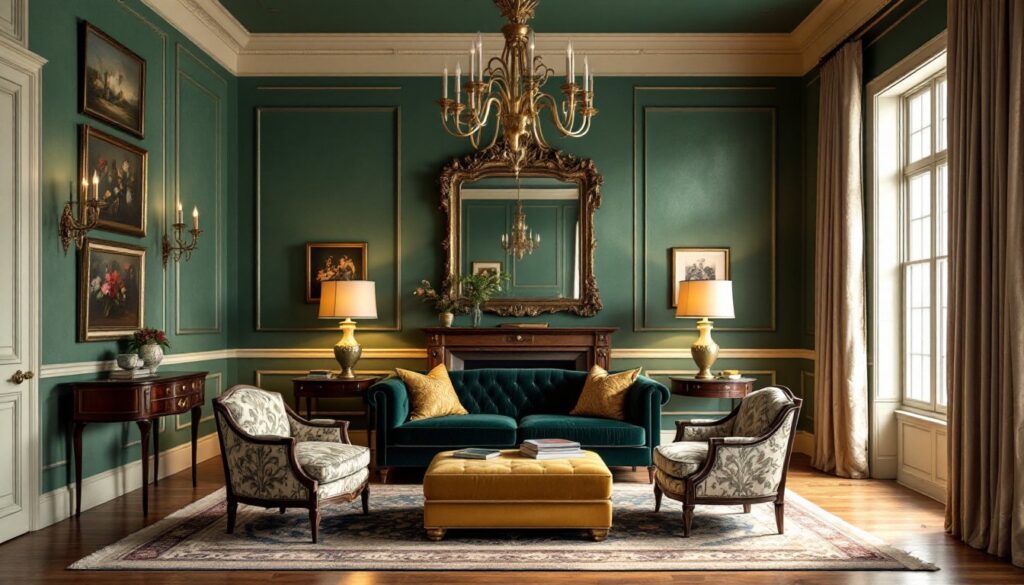
The color palette of New Orleans design is its most recognizable signature. Rather than the light, airy neutrals common in coastal or Scandinavian design, New Orleans leans into deep, saturated jewel tones, deep emerald green, sapphire blue, burgundy, plum, and rich terracotta. Walls are often painted in these dramatic colors, sometimes including faux-finished techniques that add texture and depth. The effect should feel enveloping and intimate, not cold or oppressive.
Gold and brass accents appear constantly, picture frames, mirror frames, light fixtures, and hardware all frequently feature warm metallics. These warm metals complement the jewel tones and add to the sense of luxury and European refinement.
Off-white and cream serve as accent colors rather than the dominant color. You might see cream or pale gold trim, ceiling treatments, or architectural details that provide contrast and prevent the jewel tones from becoming too heavy. Crisp white is rarely used, instead, off-white with warm undertones feels more authentic.
Materials follow the climate-driven tradition. Hardwoods, particularly in warm honey or dark mahogany tones, dominate flooring and built-ins. Plaster walls (or plaster-look paint finishes) replace drywall wherever possible. Authentic installations use lime-based plaster, though modern acrylic products provide similar visual results with easier maintenance.
Marble and slate appear in bathrooms, kitchens, and entryways. These cool materials balance the warmth of the wood and jewel-tone walls. Glazed ceramic tiles, often in Mediterranean or Moroccan patterns, work beautifully in kitchens and bathrooms. Vintage or reproduction tiles maintain the historical authenticity. Metal hardware should lean toward antique brass, bronze, or wrought iron, polished chrome feels out of place.
For textiles, look for natural fibers when possible: linen, cotton, and wool feel more appropriate than synthetics. Faded damask patterns, French toile, and rich velvet appear frequently. Recent Interior Design Trends 2026 confirm that jewel tones and vintage-inspired textiles continue gaining momentum in contemporary homes.
Bringing It All Together: Room-by-Room Design Tips
Entryways and foyers set the tone immediately. A dramatic paint color on the walls, a vintage mirror or chandelier, and a console table with brass accents make a strong statement. Consider a patterned tile floor, authentic reproductions of historic New Orleans tiles are available and worth the investment. If you’re renting or don’t want permanent changes, a large area rug can define the space and add pattern.
Living rooms are where layering truly shines. Start with a jewel-tone wall color, deep green or sapphire work particularly well. Add substantial window treatments (heavy curtains in a complementary fabric). Incorporate a mix of seating: perhaps a velvet sofa paired with antique wooden chairs and a brass-trimmed ottoman. Hang artwork at varying heights, and include multiple light sources. A statement chandelier is nearly essential, it’s both practical and decorative.
Bedrooms should feel intimate and romantic. Again, jewel tones on the walls work beautifully. Drape the headboard area or add substantial bedding in rich fabrics. Include a small seating area if space allows, a velvet chair and side table echo the city’s tradition of private salons. Vintage brass or wrought-iron wall sconces beside the bed replace a modern nightstand setup.
Kitchens present a challenge in modern New Orleans design because the original kitchens were separate, utilitarian spaces. Contemporary kitchens need to balance functionality with style. Consider deep jewel-toned cabinetry (painted rather than stained if you want authentic color), marble or slate countertops, and reproduction tile backsplashes. Brass or bronze hardware, open shelving for displaying vintage dishware, and a vintage-style range or vintage-look appliances maintain the aesthetic. Interior Design Ideas can provide additional creative solutions for merging historic style with modern kitchen needs.
Bathrooms are perfect showcases for authentic New Orleans design. Subway tiles or patterned reproduction tiles on walls, a pedestal sink or vintage vanity, vintage brass fixtures, and jewel-toned walls create an undeniably New Orleans atmosphere. A clawfoot tub, if space and plumbing allow, is the ultimate finishing touch.
Common Mistakes to Avoid When Decorating in This Style
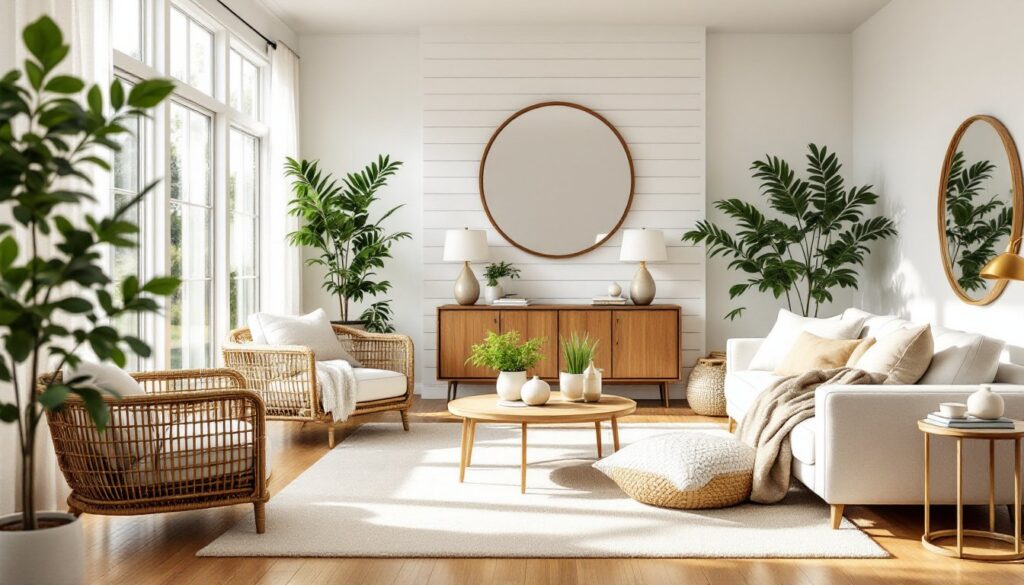
The biggest mistake is confusing New Orleans design with generic “Southern” style. Adding shiplap, farmhouse elements, or overly cutesy accessories dilutes the authenticity. New Orleans is sophisticated and urban, not rural or cottage-like.
Another common error is using the palette incorrectly. One jewel-tone accent wall surrounded by beige walls doesn’t work, the style requires commitment to color. If you’re nervous, start with one room and fully embrace it rather than half-committing.
Over-matching is also problematic. A coordinating furniture set in matching fabrics looks more catalog than collected. Instead, choose pieces that work together but don’t matchy, mix wood tones, fabric patterns, and styles intentionally. Designers specializing in Interior Design Tips often emphasize this principle of curated eclecticism.
Skipping the architectural details weakens the impact. Even if you’re renting and can’t paint or install permanent fixtures, you can add mirrors, sconces, and ceiling medallions (removable versions exist) to create visual richness.
Finally, avoiding quality materials in favor of fast-furniture substitutes misses the point. New Orleans design values materials that age well, brass that patinas, wood that develops character, plaster that feels substantial. These elements cost more upfront but reward you for years. Similarly, resources like Top Interior Design can help you prioritize investment pieces versus temporary elements.
Conclusion
Creating authentic New Orleans interior design in your home is absolutely achievable, regardless of where you live. The key is understanding the principles, layered lighting, jewel-tone colors, substantial textiles, ornate architectural details, and thoughtfully eclectic furniture, rather than just copying a Pinterest board. Start with one room, commit fully to the color palette, and invest in materials that will age beautifully. The result will be a home that feels collected, sophisticated, and unmistakably inspired by the most distinctive city in America.