

Table of Contents
ToggleInterior design expos have become essential stops for homeowners and DIY enthusiasts serious about refreshing their spaces. Whether you’re planning a kitchen renovation, searching for statement furniture, or chasing the latest design trends, these events pack vendor booths, live demonstrations, and insider knowledge into one place. An interior design expo puts you face-to-face with manufacturers, designers, and product experts, people who can answer your specific questions and show you materials and finishes in person. This guide walks you through what to expect, how to get the most out of your visit, and where to find upcoming events in your area.
Key Takeaways
- An interior design expo connects homeowners directly with manufacturers and design experts, allowing you to evaluate materials, ask detailed questions, and discover new products not yet available in mainstream retail.
- Interior design expos typically feature vendor booths, live demonstrations, and expert workshops covering topics like color theory, DIY techniques, and kitchen planning, with admission costs ranging from free to $30.
- Maximize your interior design expo visit by planning ahead with a floor map, bringing room measurements and photos, collecting samples, and attending at least one workshop to gain actionable insights.
- Most major cities host year-round expos through convention centers, industry organizations like ASID and IIDA, or major event venues—search online or check local websites to find upcoming events that align with your project timeline.
- Wearing comfortable shoes, setting a realistic budget, and allocating 3–4 hours for a thorough visit ensures you leave with vendor contacts, product samples, and the confidence to move your home project forward.
What Is An Interior Design Expo?
An interior design expo is a large-scale event where interior designers, manufacturers, vendors, and home improvement companies showcase products, services, and the latest industry trends. Think of it as a curated marketplace combined with an educational conference. Expos typically run for one to three days and draw hundreds to thousands of attendees, a mix of professionals and homeowners.
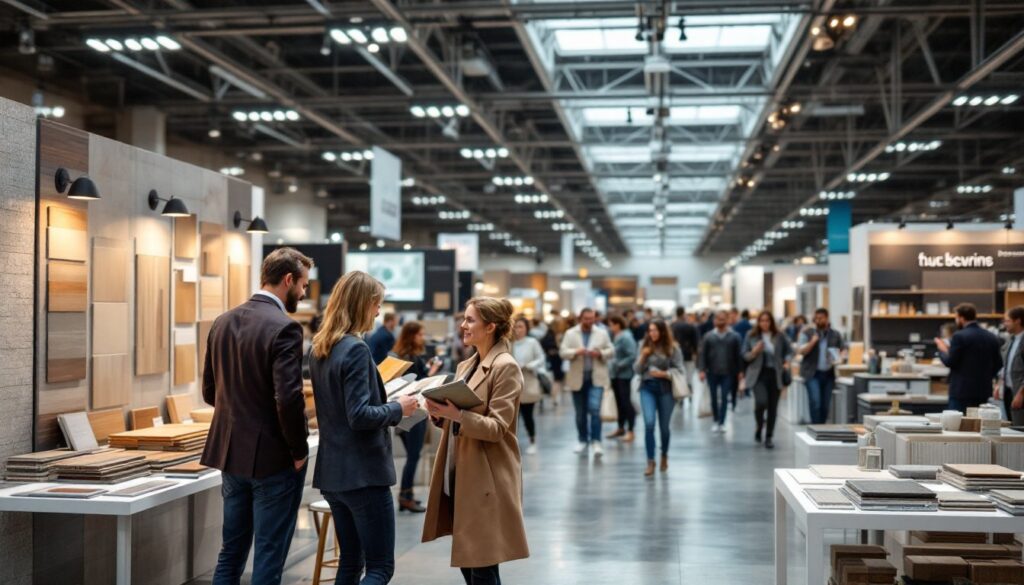
These events are different from furniture showrooms or retail stores. At an expo, you’ll see new product launches, limited-edition collections, and one-of-a-kind pieces not yet available in mainstream retail. Vendors set up elaborate booths featuring everything from flooring and tile to lighting fixtures, kitchen hardware, and upholstered furniture.
Most interior design expos charge a modest entry fee ($10–$30 per person, though some are free if you pre-register). Many offer special discounts, exclusive previews for early attendees, and giveaways. Some expos cater specifically to design professionals, while others welcome homeowners and DIYers eager to learn and shop. Reading an Interior Design Guide: Essential before attending can help you understand design vocabulary and concepts the vendors will reference.
Key Features You’ll Experience At A Design Expo
Interior design expos pack multiple attractions into their floor plans. Here’s what you’ll typically find:
Vendor Booths And Product Showcases
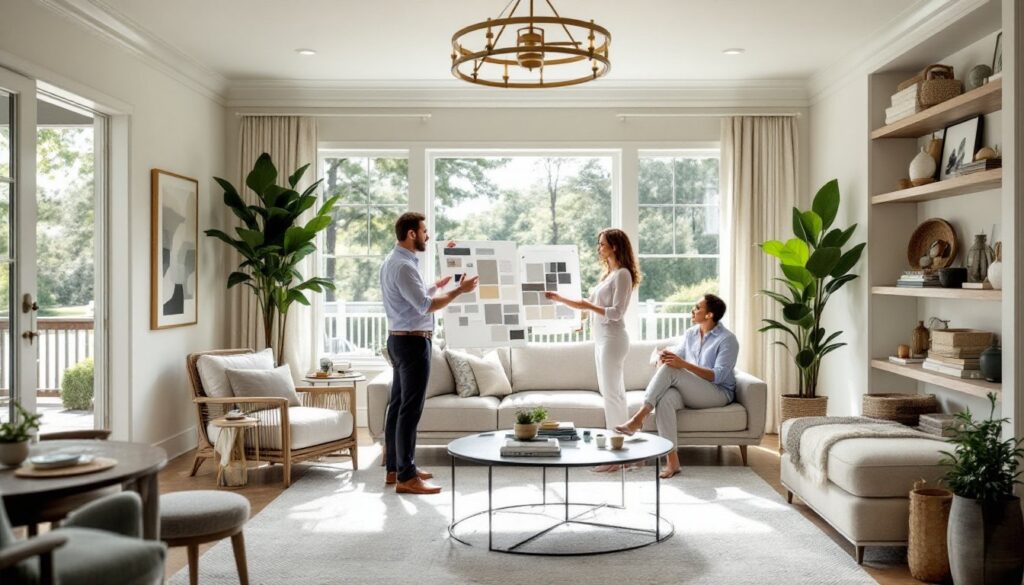
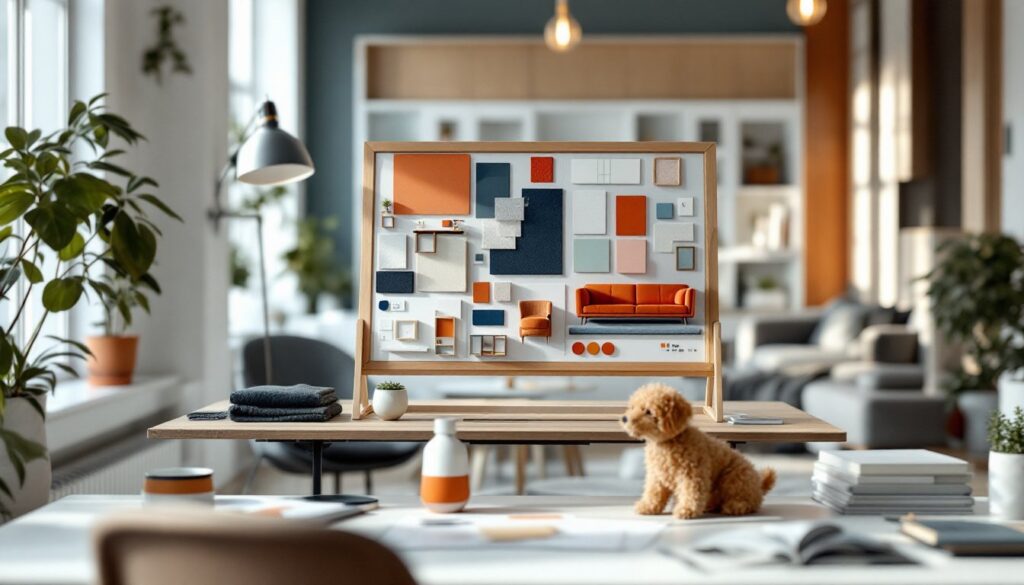
Vendor booths are the heart of any design expo. Manufacturers display their latest collections, samples, and catalogs. You’ll find booths dedicated to paint and primer, flooring materials (hardwood, laminate, vinyl, tile), cabinetry, countertops, lighting, wallpaper, hardware, textiles, and furniture. Many vendors bring sample boards, color swatches, and material chips so you can handle and compare products side by side.
A key advantage: you can ask questions directly. If you’re deciding between engineered hardwood and solid wood, or wondering about moisture resistance in a kitchen, the vendor rep can explain tradeoffs immediately. Some booths let you order samples or arrange in-home consultations. This hands-on approach beats scrolling product photos online. Many expos also feature Interior Design Trends 2026: The Top Styles Shaping vendor booths showcasing what’s coming this year.
Live Demonstrations And Expert Talks
Most expos schedule hourly talks, workshops, and live demos. These might cover topics like “color theory for your home,” “DIY wall treatments that look professional,” “kitchen layout planning,” or “lighting design 101.” Design experts, contractors, and manufacturers lead these sessions, usually lasting 20–45 minutes.
Live demos let you watch techniques in action. You might see a painter applying a faux finish, a designer arranging a room layout, or an installer demonstrating how to hang wallpaper correctly. These demos demystify processes and build confidence for tackling projects yourself. Attending a talk on Interior Design for Beginners: A Simple principles can ground your approach before exploring vendor booths.
How To Maximize Your Expo Visit
Showing up unprepared means missing vendors and leaving empty-handed. Here’s how to get real value:
Plan ahead. Most expos publish a floor map and vendor list online. Note which booths align with your project, kitchen remodel? Flooring? Bedroom redecoration? Map out a rough route so you don’t waste time backtracking.
Bring measurements and photos. Snap pictures of your rooms, walls, lighting, current furniture, and note key dimensions (ceiling height, wall lengths, window sizes). Vendors use these details to suggest products and visualize how items fit your space. Bring a notebook or use your phone’s notes app to record vendor names, product codes, and contact info.
Ask for samples and catalogs. Request color swatches, paint chips, fabric samples, or material samples. Many vendors hand them out freely: others send them later. Samples let you test colors under your home’s actual lighting before committing.
Attend at least one workshop. Even if you think you know your project inside and out, you’ll pick up a tip or two. A live demo on paint prep or tile installation might reveal a shortcut or safety detail you’d miss otherwise.
Set a realistic budget range. Expos showcase everything from budget-friendly to luxury. Knowing your price window helps you focus on appropriate booths and avoid sticker shock. Exploring Interior Design Tips to transform your space should align with what vendors are showing.
Wear comfortable shoes. Expos span large venues. You’ll walk miles. Dress for it, and bring water.
Finding And Planning Your Next Interior Design Expo
Interior design expos happen year-round in most major cities. Here’s how to find upcoming events:
Search online. Google “interior design expo near me [year]” or “home design show [your city].” Most expos have dedicated websites listing dates, vendor lists, ticket prices, and schedules.
Check industry organizations. The American Society of Interior Designers (ASID) and the International Interior Design Association (IIDA) maintain event calendars. Many local chapters host expos or partner with event organizers.
Follow local venues. Convention centers and trade show facilities host expos regularly. Subscribing to their email lists or visiting their websites keeps you in the loop on upcoming events.
Look for virtual options. Some expos now offer hybrid attendance, including livestreamed talks or virtual booths. If travel isn’t feasible, a virtual ticket lets you sample what’s new.
Plan around your project timeline. If you’re starting a renovation in spring, attend an expo 4–6 weeks beforehand so you have time to gather samples, get quotes, and finalize selections. Sites like Elle Decor and Freshome also announce major design events and trends shaping what you’ll see at expos. For a broader look at design approaches, Interior Design vs Interior can help you clarify your vision before visiting booths.
Consider regional vs. national events. Large national expos (like Design Week in major cities) draw top vendors and often feature celebrity designers. Smaller regional expos offer a more intimate, less crowded experience and often stronger local contractor and designer presence.
Budget extra time. Even a moderately sized expo takes 3–4 hours to cover thoroughly. Plan accordingly and don’t rush.
Conclusion
Interior design expos demystify the products, trends, and techniques behind well-designed homes. They’re practical, hands-on events where you can evaluate materials in person, ask experts real questions, and gather inspiration and resources for your next project. Arm yourself with measurements, a plan, and an open mind, then hit the floor. You’ll leave with samples, contacts, and confidence to move your project forward.