

Table of Contents
ToggleInterior design doesn’t require a six-figure budget or a design degree. Homeowners and DIY enthusiasts discover that budget interior design is less about what you spend and more about where you spend it. A thoughtful approach to planning, shopping, and hands-on projects transforms any room without emptying the wallet. Whether updating a single bedroom or refreshing an entire home, the right strategy makes it possible to achieve a polished, intentional look that feels personal and lived-in. This guide walks through the practical steps, from prioritizing impact to finding deals and tackling cost-effective DIY work, that turn decorating constraints into creative opportunities.
Key Takeaways
- Budget interior design prioritizes strategic planning and high-impact spaces like living rooms and entryways before spending a single dollar.
- Shop smart by combining big-box retailers, discount chains (TJ Maxx, HomeGoods), and secondhand sources like Facebook Marketplace to find affordable furniture and décor.
- Paint and textiles are the highest-impact, lowest-cost projects—a fresh coat of paint costs $25-50 per gallon and can transform an entire room for under $100.
- Master design principles like limiting color palettes to 2-3 dominant colors, investing in good lighting, and using scale strategically to make budget pieces look intentional and polished.
- DIY upcycling projects—such as painting furniture, adding wallpaper to shelves, or refinishing pieces—require minimal investment but deliver maximum visual transformation and momentum.
- Focus spending on walls and flooring as the foundation, then layer affordable textiles, mirrors, and accessories that are easy to swap as trends evolve.
Start With Strategic Planning and Prioritization
Before spending a single dollar, map out the most visible and heavily used spaces in the home. The living room, entryway, and primary bedroom typically deliver the biggest impact on how the entire house feels. These focal points deserve the bulk of the budget.
Next, audit what’s already there. Does the sofa work with a new color scheme, or does it need replacing? Can existing wall art be rehung in a fresh arrangement? Many DIYers skip this step and waste money duplicating pieces they already own. A clear inventory, even a simple phone photo list, prevents overlap and reveals what truly needs attention.
Set a realistic total budget and divide it by project phases. Rushing to furnish everything at once often leads to mismatched pieces and poor decisions. Spacing purchases over 3-6 months allows time to hunt for bargains, test paint colors in changing light, and build a cohesive look. Prioritization also means being honest about which upgrades require professional help. Structural work, electrical repairs, or load-bearing modifications demand licensed contractors, not budget-friendly shortcuts.
Start by identifying the room’s main function and traffic patterns. A high-traffic hallway needs durable, easy-to-clean finishes. A home office benefits from ergonomic seating and task lighting. This clarity prevents buyer’s remorse and ensures spending aligns with actual needs rather than Pinterest fantasy.
Shop Smart: Where to Find Affordable Furniture and Décor
The most budget-savvy decorators rarely pay full retail. Knowing where to look and when to shop makes a dramatic difference in what’s possible within a fixed dollar amount.
Big-box retailers like IKEA, Wayfair, and Target offer solid basics, nightstands, bookcases, side tables, at accessible price points. Their return policies are usually generous, and sales rotate frequently. Sign up for their email lists to catch seasonal promotions.
Hardware stores like Home Depot and Lowe’s stock not just building materials but also lighting, mirrors, and cabinet hardware that doubles as décor. A statement mirror or pendant light from the hardware aisle often costs less than department store alternatives and integrates seamlessly with DIY projects.
Don’t overlook discount chains like TJ Maxx, Marshalls, and HomeGoods. Inventory rotates constantly, so frequent browsing yields hidden gems, designer throw pillows, wall art, and accessories at 40-60% off retail. The catch: you can’t order online most items, and availability is unpredictable. Make browsing these stores part of your weekly routine if budget is tight.
Online Marketplaces and Secondhand Sources
Facebook Marketplace, Craigslist, and OfferUp host thousands of used furniture pieces from people upgrading or downsizing. A solid vintage dresser or bookshelf often costs a fraction of new, and many pieces just need refinishing or light upholstery work, perfect DIY projects. Inspect before buying, and have a plan for transport or delivery.
Interior design for beginners often means recognizing that secondhand doesn’t mean second-rate. Estate sales, thrift stores, and library book sales (for wall art and décor accents) yield unexpected finds. Vintage pieces add character that new furniture struggles to deliver, and the environmental benefit is a bonus.
Wayfair and Amazon offer price-matching and return windows, useful for comparing options. Costco and Sam’s Club membership fees pay for themselves if you’re buying in bulk, area rugs, lighting, bedding, though shipping costs can add up for furniture.
Timing matters. Post-holiday sales (January, after-Christmas clearance), end-of-season markdowns (furniture stores clear summer pieces in August), and Black Friday sales offer real savings. Set price alerts on major platforms and patience pays off.
DIY Projects That Maximize Impact for Minimal Cost
The highest-impact projects require minimal investment but considerable effort and attention. Paint, textiles, and simple upcycling deliver transformation that punches above their price tag.
Paint, Textiles, and Simple Upcycling Ideas
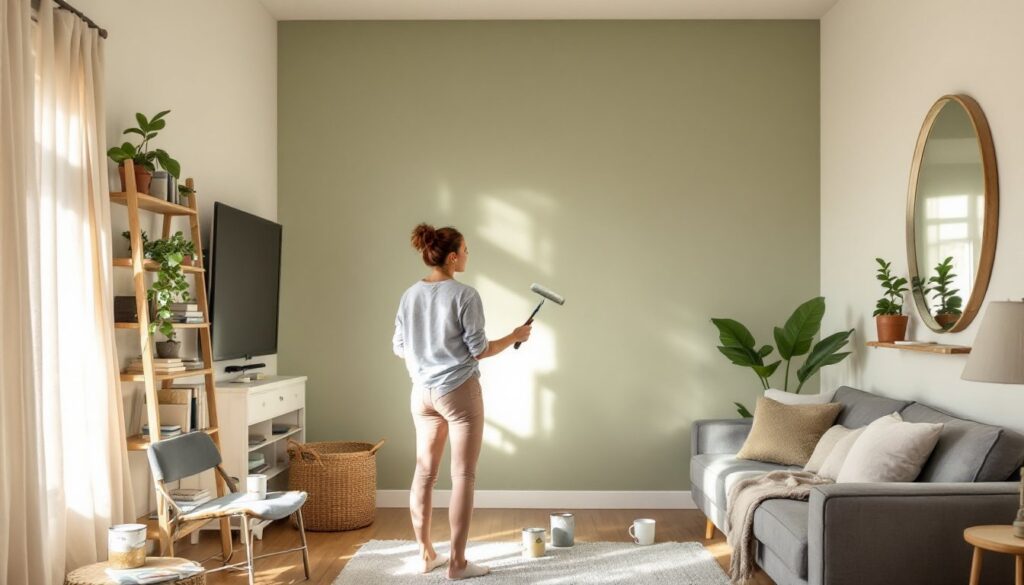
Paint is the budget decorator’s best friend. A gallon of quality interior paint costs $25-50 and covers roughly 350-400 square feet depending on surface porosity and sheen. Repainting a bedroom or living room for under $100 delivers the impression of a complete redesign. Accent walls (a single wall in a contrasting color) require less paint and create visual interest without the commitment of a full room.
Prep work makes or breaks the result. Wash walls to remove dust and grime, patch holes and imperfections with spackle, sand smooth, and prime if switching from dark to light or covering glossy surfaces. This preparation takes time but eliminates costly mistakes like paint peeling or uneven coverage. Interior Design Trends 2026 lean toward warm earth tones, soft greens, and creamy neutrals, colors that hide imperfections and feel timeless.
Textiles, throw pillows, curtains, area rugs, and blankets, shift the entire mood of a room. Swapping pillows is free if using items already in the home: adding new ones at $15-30 each gradually builds a cohesive palette. Curtains from budget retailers like IKEA or Target run $10-30 per panel. Layering a runner rug over existing flooring or adding a large area rug anchors seating zones without refinishing floors. Budget textiles are often thinner and less durable than premium options, but they’re perfect for renters or anyone testing color choices before committing to pricier pieces.
Simple upcycling transforms existing pieces without major reconstruction. Painting outdated furniture, dressers, nightstands, bookshelves, with a fresh coat and new hardware breathes life into tired pieces. Wallpaper a bookcase back or interior of cabinet shelves for visual interest. Fabric or contact paper wraps can cover the fronts of cabinet doors. These projects demand only paint, brushes, adhesive, and a few hours of elbow grease. Sites like Young House Love and Addicted 2 Decorating offer step-by-step tutorials for exactly these kinds of weekend projects.
Small DIY wins build momentum. Stain wood shelving, paint a closet door, or refinish metal picture frames. Each completed project proves that decent design is achievable on a tight timeline and budget. Safety-wise, use drop cloths to protect floors, wear latex gloves and eye protection when painting or sanding, and ensure adequate ventilation (open windows or run a fan) when using paint or stain.
Design Principles That Work on a Tight Budget
Strong design on a budget boils down to a handful of non-negotiable principles. Master these, and even secondhand finds and DIY pieces feel intentional rather than mismatched.
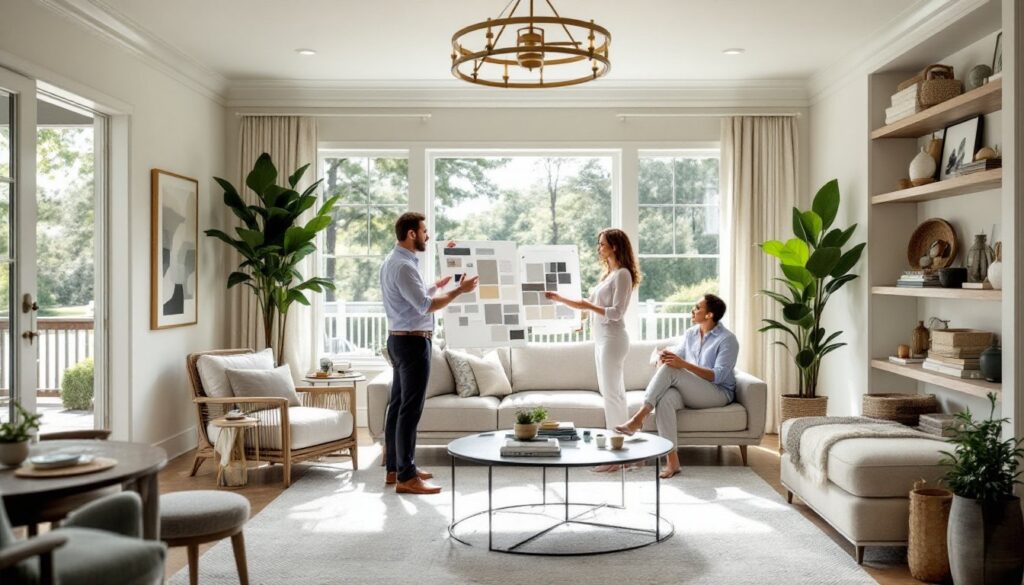
Limit the color palette. Choose 2-3 dominant colors plus accent colors for the room. This constraint forces cohesion and makes each purchase feel deliberate. A neutral base (walls, large furniture) paired with one bold accent color in textiles and accessories prevents visual chaos.
Invest in lighting. Good lighting makes any space feel more polished and expensive. A statement floor lamp, pendant fixture, or string lights costs far less than new furniture but transforms ambiance. Layer ambient, task, and accent lighting for depth and functionality.
Use scale and proportion strategically. A large mirror opposite a window reflects light and makes tight spaces feel bigger. Oversized wall art creates focal points without clutter. Conversely, floating shelves and minimal accessories avoid a cramped feel. Budget decorators benefit from restraint, less stuff, better curated pieces, feels more intentional.
Focus on the walls and floor. Walls are the largest visual surface. Paint, wallpaper, or artwork should anchor the design. Flooring, or its treatment with large rugs, grounds the room. These two elements set the tone before any furniture is placed. Interior Design Tips emphasize that walls and floors are the foundation: furniture and accessories support them.
Create symmetry and balance. Even modest rooms feel more designed when elements are balanced. Matching lamps on nightstands, symmetrical curtain rods, or a centered piece of wall art signal intentional design. This doesn’t mean cookie-cutter: it means thoughtful arrangement that draws the eye.
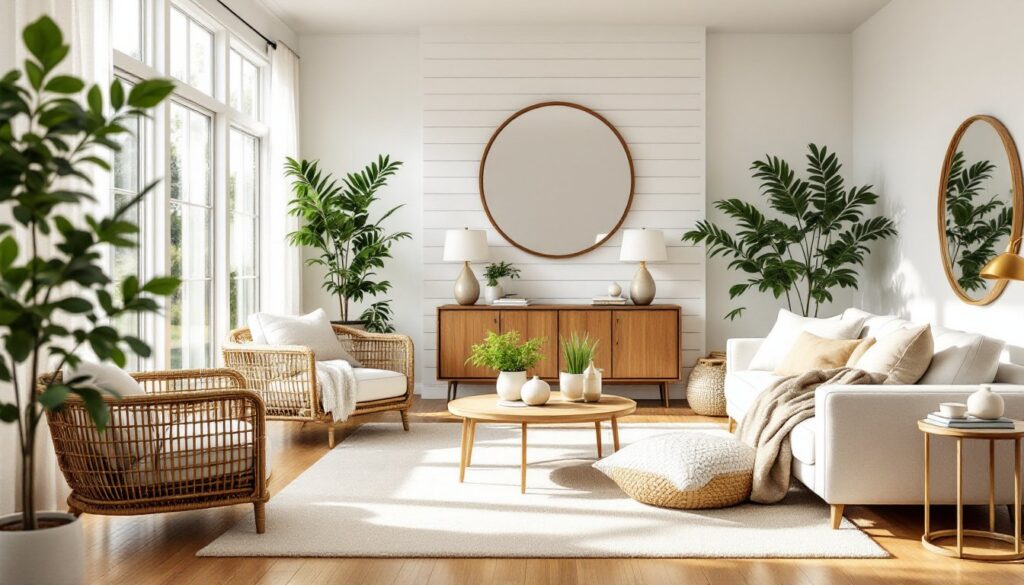
Texture adds depth on any budget. A woven throw blanket, macramé wall hanging, or textured wallpaper adds visual interest without structural changes. Mixing matte, glossy, and reflective surfaces prevents a flat, boring look. Interior Design Examples often feature layered textures, smooth wall paint with a textured rug and soft furnishings.
Consistency beats trends. Chasing fast-moving trends leads to constant redecorating and waste. Instead, choose timeless bones and refresh with inexpensive, trendy accessories (pillows, art, plant pots) that are easy to swap out. This approach saves money over the long term.
Conclusion
Budget interior design succeeds when planning, shopping strategy, and hands-on effort work together. Prioritize high-impact areas, source smart by checking secondhand markets and discount retailers, and tackle DIY projects that leverage paint, textiles, and simple upcycling. Anchor everything to clear design principles, limited color palettes, good lighting, balanced proportions, and thoughtful texture. The goal isn’t to spend nothing: it’s to spend intentionally, make informed trade-offs, and recognize that the best-designed homes reflect the people living in them, not the budget spent decorating them. Start small, learn as you go, and enjoy the process of building a space that’s both beautiful and authentically yours.