

Table of Contents
ToggleModern California style has become the go-to aesthetic for homeowners seeking spaces that feel both relaxed and refined. This design philosophy combines airy, light-filled interiors with organic materials, neutral tones, and a seamless blend of indoor-outdoor living. Unlike the heavily styled homes of previous decades, modern California design prioritizes openness, natural light, and a connection to the surrounding landscape. Whether you’re planning a full renovation or refreshing a single room, understanding the core principles of this style can help you create a home that feels effortlessly sophisticated and deeply comfortable. The beauty of modern California style is its flexibility, it works across different climates, budgets, and home types while maintaining its essence of calm, natural elegance.
Key Takeaways
- Modern California style interior design emphasizes airy, light-filled spaces with organic materials and neutral tones that create effortlessly sophisticated, comfortable homes.
- Neutral color palettes featuring warm whites, soft beiges, and muted earth tones form the foundation, complemented by natural materials like wood, stone, and linen that age gracefully over time.
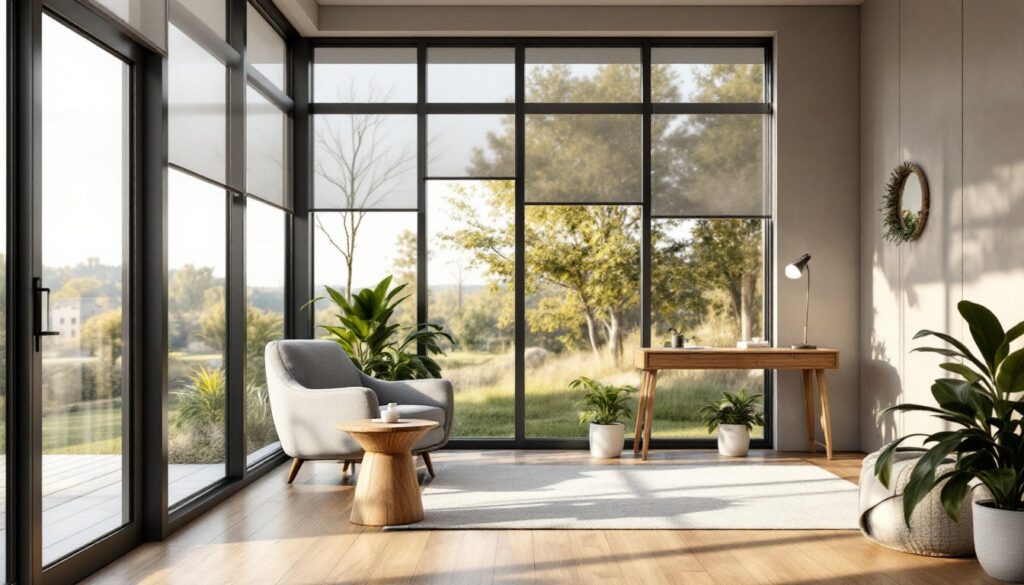
- Maximizing natural light through large windows, glass doors, and minimal window treatments is essential to achieving the modern California aesthetic without major renovations.
- Open, flowing furniture layouts with visible legs and appropriate scaling create visual lightness, while intentional negative space and streamlined pieces maintain the uncluttered feel.
- You can transform your space incrementally by editing existing elements, painting walls neutral tones, swapping outdated lighting fixtures, and adding strategic plants and curated accessories.
- Quality over quantity is central to modern California design—investing in durable, well-made pieces and authentic materials aligns with sustainability while creating homes that feel genuinely livable.
Understanding Modern California Style Design
Modern California style emerged from the state’s architectural traditions, mid-century modernism, Spanish Colonial influences, and the California cool aesthetic that prioritizes living well without pretension. It’s less about trendy Instagram perfection and more about creating functional, peaceful environments that celebrate natural light and honest materials.
The style reflects California’s landscape and climate: abundant sunshine, mild temperatures, and a lifestyle that embraces outdoor entertaining. This translates into homes with large windows, sliding glass doors, and minimal window treatments that let light flood in. The color palette mirrors the region’s natural environment, sandy neutrals, soft whites, sage greens, and warm grays rather than bold statement colors.
What sets modern California design apart from other contemporary styles is its emphasis on sustainability and quality over quantity. Furniture pieces are often fewer in number but chosen for durability and timeless appeal. Homeowners invest in well-made wood tables, durable textiles, and pieces that age gracefully rather than accumulating trendy items. This approach aligns perfectly with DIY projects that focus on thoughtful customization rather than constant consumption.
The Core Elements of Modern California Interiors
Color Palettes and Material Choices
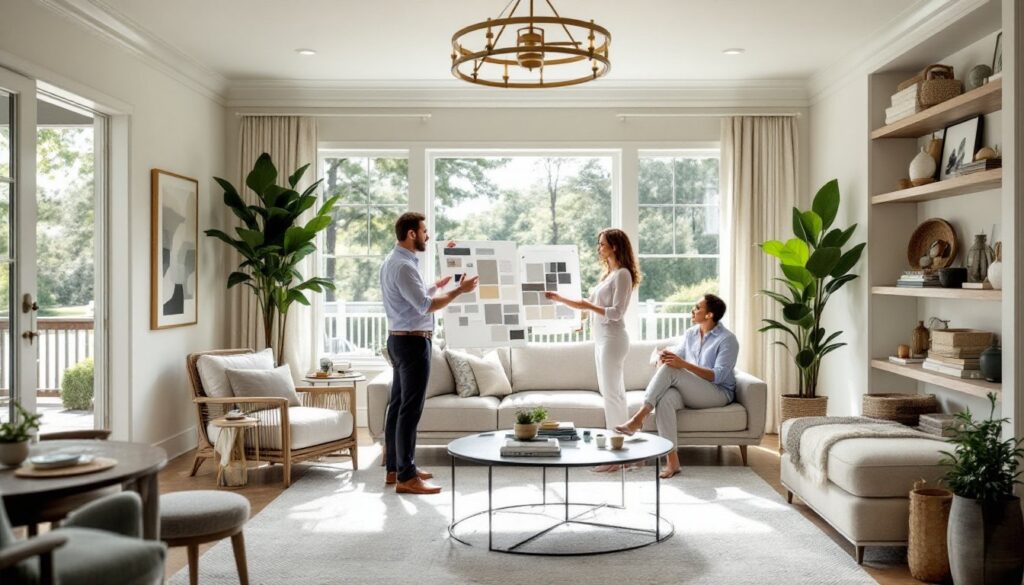
Neutral color schemes form the foundation of modern California design, but “neutral” doesn’t mean boring. Think warm whites, soft beiges, light grays, and muted earth tones that create a cohesive backdrop for natural elements and textures.
Key materials include natural wood (white oak, light pine, or walnut), concrete, stone, and linen. These aren’t polished marble or high-gloss finishes, they’re tactile, slightly imperfect materials that show aging gracefully. Exposed wooden beams, natural stone flooring, and raw concrete elements are common and highly valued in this aesthetic.
Accent colors appear sparingly: soft sage, muted terracotta, warm ochre, or pale blue, always in muted, desaturated versions. These accents might appear in throw pillows, artwork, or a single painted wall rather than dominating a space. Interior Design Trends 2026 highlight how neutral bases allow flexibility as design preferences evolve.
Textiles matter significantly. Linen, cotton, jute, and natural fiber blends replace synthetic fabrics. Rugs are often neutral with subtle patterns, layered for warmth without visual clutter. Window treatments are minimal, roller shades, simple linen panels, or no treatment at all to maximize natural light. Wall textures like limewash, clay finishes, or subtle wallpaper add depth without overwhelming the space.
Incorporating these materials requires honest material selection and avoiding cheap imitations. Real wood will cost more upfront but develops character over time, while particle board furniture quickly reveals its limitations. For DIY projects like shelving or custom built-ins, choosing solid wood over veneered products ensures longevity and the authentic weathered look that modern California style celebrates.
Furniture and Layout Principles
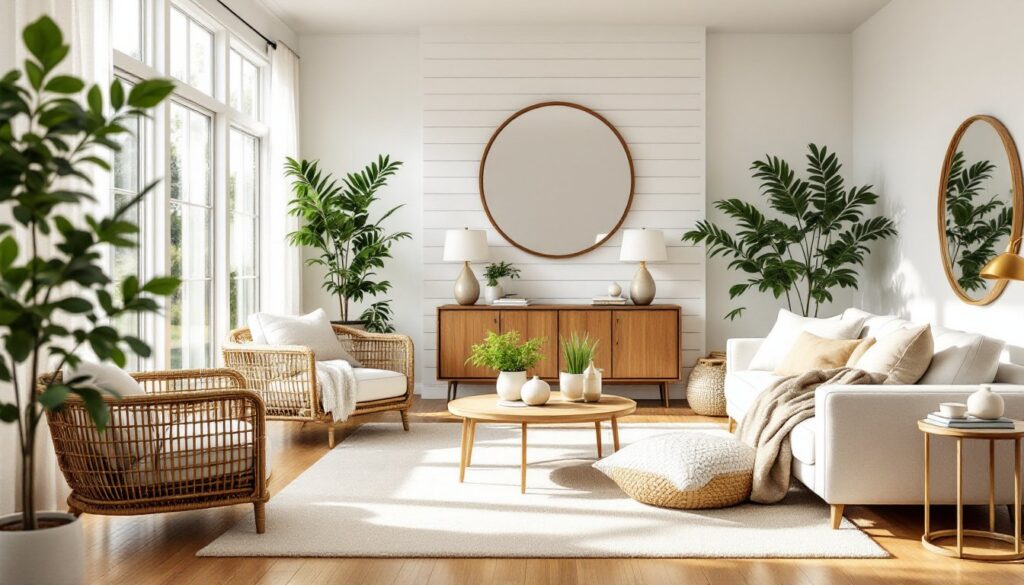
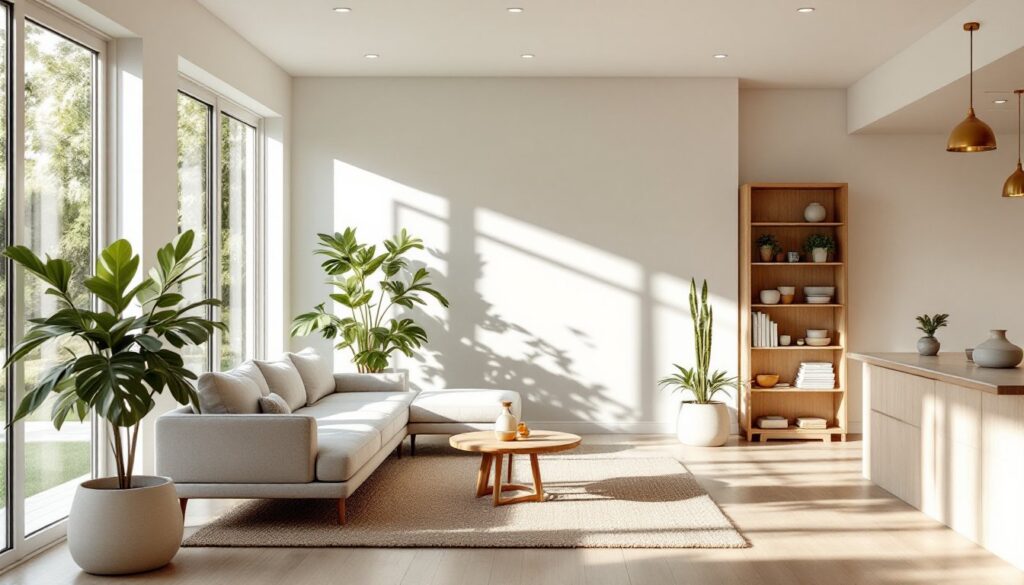
Modern California interiors embrace an open, flowing layout that encourages movement and conversation. Furniture is arranged to define spaces without walls, a low sectional sofa, a dining table, and a seating area might occupy one large room with no visual barriers between them.
Furniture pieces themselves are typically streamlined and functional. Low-profile sofas, simple wooden dining tables, and understated accent chairs dominate rather than ornate, heavily upholstered pieces. Legs are visible on most furniture (no skirted sofas or bed frames that hide the floor). This creates visual lightness and makes rooms feel larger.
Storage is thoughtfully designed and often integrated. Open shelving displays books, plants, and curated objects, while closed cabinetry hides everyday clutter. Many modern California homes feature floor-to-ceiling built-in shelving or cabinetry that maximizes function without blocking sightlines. Interior Design Ideas to Transform Your Space offer specific room layouts that work well with this open approach.
Scaling furniture to room size prevents the too-big-for-the-space feeling. A massive sectional in a small room reads as cluttered: appropriately sized pieces with visible legs maintain openness. Negative space is intentional, blank walls and clear floor surfaces are design features, not gaps to fill.
For DIY decorators, this means measuring carefully before placing furniture and resisting the urge to fill every corner. Rearranging pieces seasonally keeps the space feeling fresh without major purchases. Investing in one or two quality, neutral anchor pieces rather than multiple trendy items aligns with the sustainability ethos of modern California design.
Lighting and Natural Elements
Natural light is non-negotiable in modern California design. Large windows, glass doors, skylights, and glass partitions maximize daylight penetration. Minimal window coverings, sheer panels or none at all, ensure light flows freely into the home. Interior Design Tips to Transform Your Living Space emphasize how lighting dramatically affects how spaces feel and function.
Artificial lighting is layered and understated. Overhead fixtures are often simple, recessed lighting, linear fixtures, or sculptural statement pieces in natural materials like wood or brass. Task lighting near work areas (kitchen islands, desks) uses pendant lights with clean lines. Accent lighting highlights artwork or architectural features without creating harsh shadows.
Natural elements bring life and softness to interiors. Live-edge wood shelving, stone accent walls, and exposed brick are celebrated rather than hidden. Plants are abundant, not just small potted succulents but larger specimens like fiddle leaf figs, monstera, or pothos that bring greenery indoors. Plants sit in simple ceramic or concrete planters that complement the neutral palette.
Water features appear in landscapes visible from interior windows, fountains, pools with minimal decking, or natural water edges. If outdoor space is limited, interior water features like small fountains or reflecting pools create that sensory connection.
For homeowners without major renovation budgets, maximizing existing windows and adding plants creates immediate impact. Removing heavy curtains or replacing them with lightweight linen panels instantly brightens spaces. Strategic placement of mirrors amplifies natural light, while choosing warm-toned artificial lighting (2700K color temperature) complements daylight without clashing. Adding greenery through various plant sizes and types costs little but transforms stale interiors into living, breathing spaces.
Bringing Modern California Style Into Your Home
Starting a modern California design project doesn’t require gutting your home or spending a fortune. Begin by assessing your existing space and identifying what you love, then edit ruthlessly. Remove heavy furniture, busy patterns, and visual clutter. A clear room is the best canvas for this aesthetic.
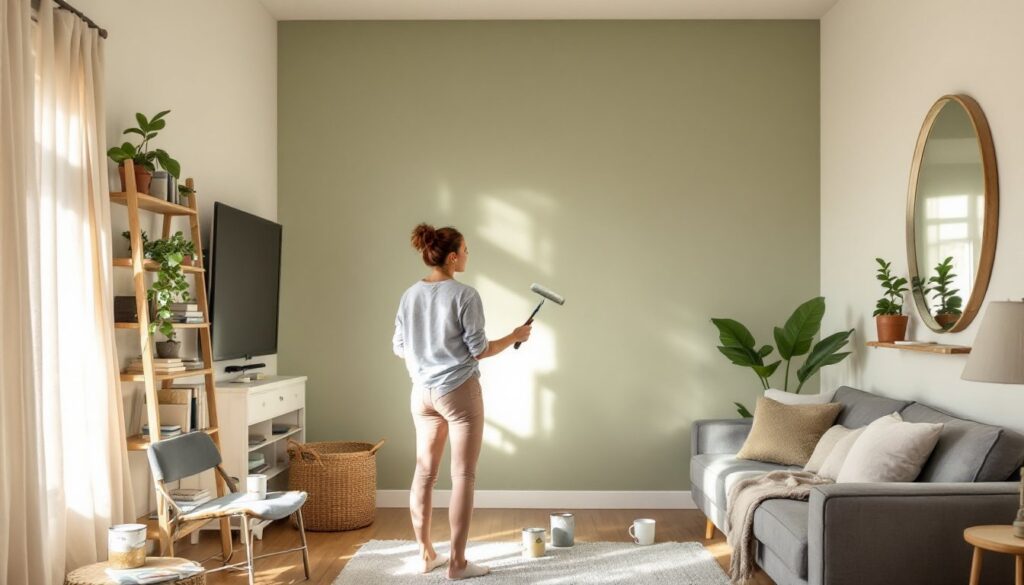
Paint is the quickest transformation tool. Soft whites, warm grays, or pale neutrals on walls immediately brighten spaces and provide a cohesive backdrop. Choose low-VOC or zero-VOC paint for better indoor air quality, which aligns with the health-conscious aspect of California living. Interior Design Examples: Inspiring showcase how paint color shifts define modern spaces.
Flooring upgrades, whether light wood, light tile, or polished concrete, anchor the aesthetic. If full replacement isn’t feasible, lighter-toned area rugs and natural fiber runners create visual zones while maintaining openness.
Furniture swaps happen gradually. Rather than one massive purchase, invest in a quality sofa, dining table, or bed frame in solid wood with clean lines. Look for pieces with visible legs and minimal ornamentation. When other furniture needs replacing, choose similarly neutral, streamlined pieces that complement your new direction.
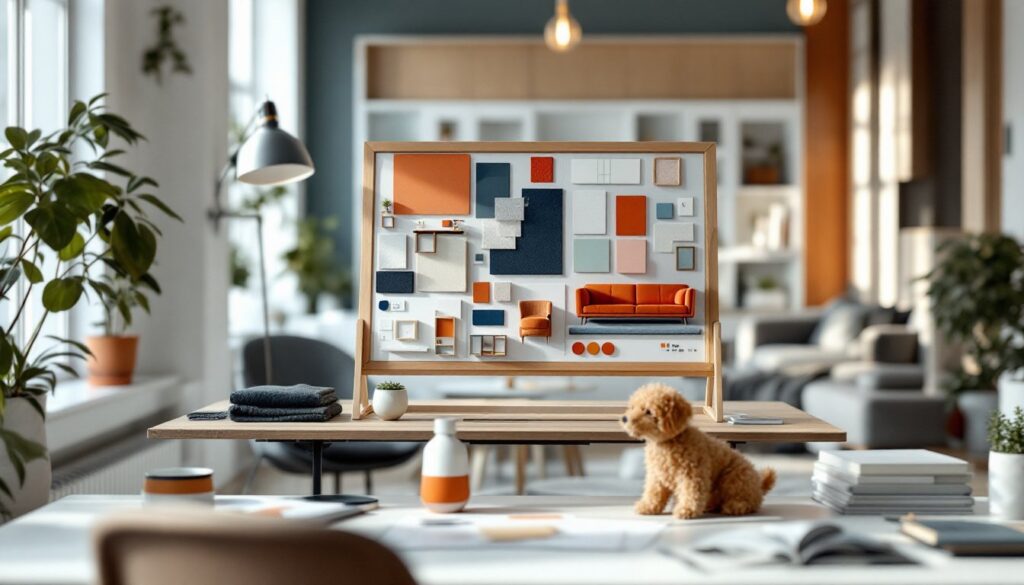
Accessories are intentional. A few curated books, simple wooden bowls, white ceramic pieces, and potted plants create visual interest without clutter. Artwork leans toward abstract, minimalist, or nature photography in simple frames. Top Interior Design Trends and Tips break down how to curate accessories that feel collected over time rather than purchased in matching sets.
Lighting updates, replacing outdated fixtures with modern brass or wood pendants, adding recessed lighting, or installing statement floor lamps, shift the entire feel without structural changes. Keep fixtures simple and functional.
Windows deserve attention. If new windows aren’t in the budget, installing lightweight linen curtains or a simple roller shade maintains light flow while providing privacy. Removing valances and heavy drapes immediately modernizes interiors.
Addressing these elements systematically, starting with paint and furniture rearrangement, then moving to lighting, plants, and accessories, keeps projects manageable and budget-conscious. Many homeowners find that thoughtful editing and strategic updates create a modern California feel without major renovation costs.
Conclusion
Modern California style offers homeowners a timeless, adaptable approach to interior design that prioritizes light, natural materials, and open living. It’s less about following rigid rules and more about creating calm, functional spaces that age beautifully and feel genuinely livable. Whether through a complete renovation or incremental updates, the principles of neutral palettes, quality materials, ample natural light, and thoughtful simplicity transform ordinary homes into havens that celebrate contemporary living. Best Interior Design Ideas provide additional inspiration as you develop your unique take on this versatile aesthetic.