

Table of Contents
ToggleModern traditional interior design has become the go-to approach for homeowners who want timeless elegance without feeling stuck in the past. This hybrid style blends the comfort and character of traditional design with the clean functionality of modern aesthetics, creating spaces that feel both warm and uncluttered. If you’ve ever stood in a showroom torn between a classic wingback chair and a sleek sectional, modern traditional design says you don’t have to choose, you can have both. Whether you’re renovating a single room or reimagining your entire home, understanding how to balance these two approaches will help you create a space that’s genuinely livable and beautifully composed for years to come.
Key Takeaways
- Modern traditional interior design blends classic architectural elements with contemporary minimalism, creating spaces that are both timeless and functionally livable.
- The style emphasizes restraint and quality, featuring clean-lined furniture, simplified architectural details, and neutral color palettes that avoid both fussy ornamentation and stark minimalism.
- Texture layering and material selection—using hardwood, linen, wool, and natural stone—are essential for adding depth and warmth without visual clutter in modern traditional spaces.
- Smart storage solutions, intentional furniture placement, and carefully curated accessories (quality over quantity) help modern traditional design achieve that polished, open-air feeling.
- Modern traditional design solves the gap between traditional and contemporary living by letting homeowners honor heritage details and architectural bones while maintaining the openness and functionality modern life demands.
What Is Modern Traditional Design?
Modern traditional design, sometimes called transitional style, is the intersection where classic architectural elements meet contemporary minimalism. It’s not about cramming every design trend into one room, it’s about knowing when to honor tradition and when to embrace simplicity.
At its core, modern traditional takes the craftsmanship, symmetry, and layered textures that define traditional interiors and strips away the fussy ornamentation. You’ll still see quality furniture with timeless silhouettes, but you won’t find velvet tassels or wallpaper florals everywhere. Instead, the approach focuses on proportion, balance, and restraint. A homeowner might invest in a beautifully built-out bookcase with traditional dentil molding, then style it with modern objects and plenty of breathing room.
This style gained real momentum because it solves a genuine problem: most people don’t actually want to live in either a museum or a stark loft. Modern traditional design bridges that gap. It’s particularly popular among homeowners who’ve inherited traditional homes or who appreciate heritage details but crave the openness and functionality that modern living demands. According to interior design trends 2026, this balanced approach continues to dominate as families seek enduring style over fleeting fads.
Key Characteristics Of Modern Traditional Interiors
Clean Lines Meet Classic Elements
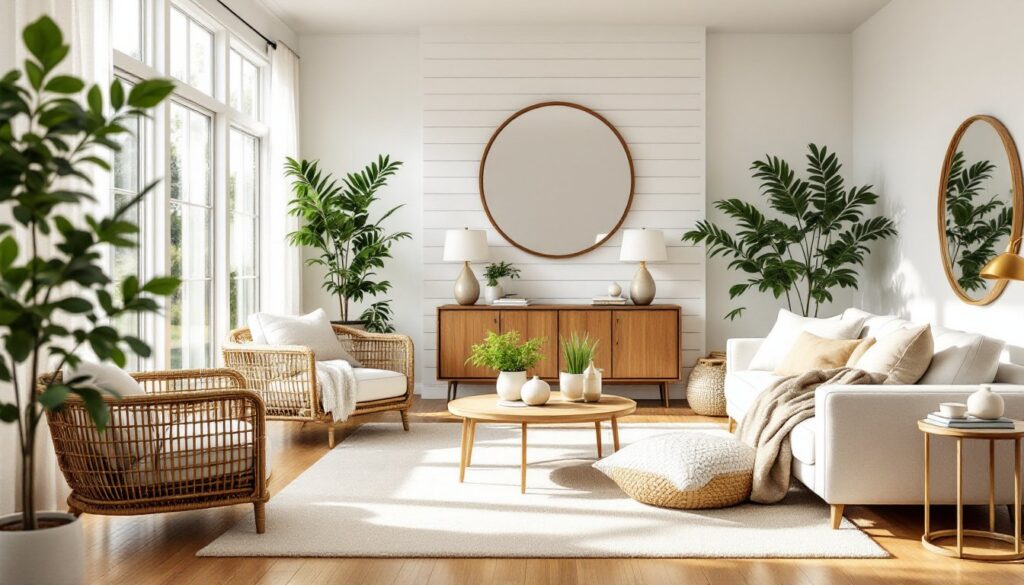
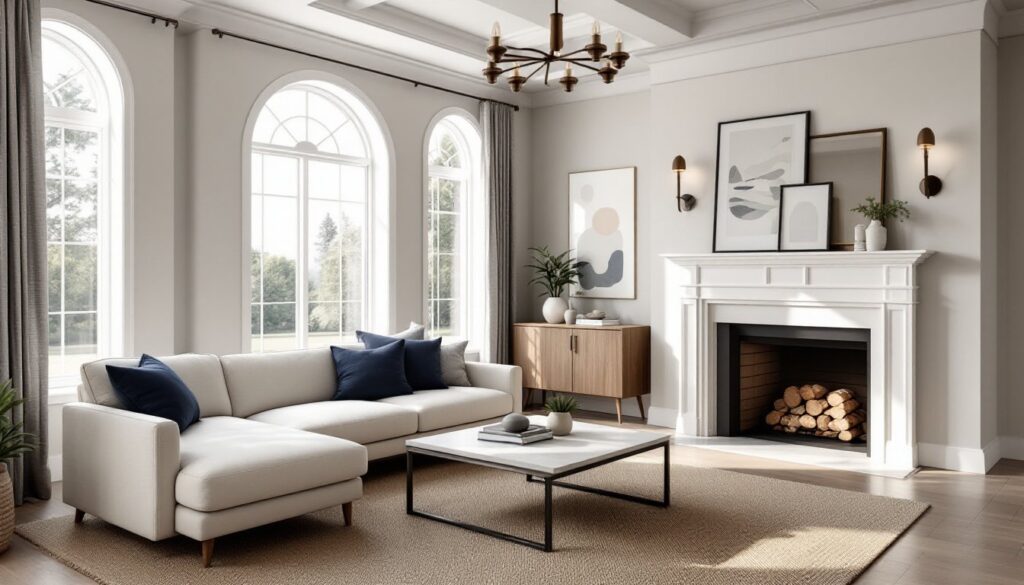
The hallmark of modern traditional design is restraint paired with substance. You’ll notice clean, unfussy lines in furniture, a sofa might have a classic track arm but skip the rolled edges and excessive padding. Wall treatments tend toward neutral solids or subtle textures rather than bold patterns, though a single accent wall of vintage wallpaper or shiplap isn’t off the table.
Architectural details play a supporting role. Crown molding, baseboards, wainscoting, and built-ins are present, but they’re simplified compared to ornate traditional homes. A room might feature a coffered ceiling with clean geometry rather than elaborate hand-carved designs. The key is that these elements look intentional, not like a museum recreation.
Furniture arrangement emphasizes functionality and flow. Rather than clustering pieces around a fireplace in a formal traditional setup, modern traditional spaces use furniture to define zones while keeping sightlines open. A console table might sit behind a sofa to add visual interest without blocking movement through the room.
Color Palettes And Materials
Color in modern traditional design leans toward understated sophistication. Whites, creams, warm grays, and soft earth tones form the foundation, these aren’t stark designer whites but lived-in neutrals that feel warm. Accent colors exist but are disciplined: a deep navy, forest green, or warm burgundy appears in pillows, artwork, or a single piece of upholstered furniture rather than covering walls.
Materials reflect both durability and timeless appeal. Hardwood, quality upholstery, natural stone, and tactile fabrics like linen and wool are workhorses in this style. You’ll see less plastic laminate and more solid wood cabinetry. Metal accents tend toward brushed or oil-rubbed finishes rather than shiny brass, think understated hardware on drawers and cabinetry.
Layering textures is crucial. A modern traditional room might pair a smooth plaster wall with a linen sofa, a jute rug, and a wooden coffee table with a stone top. This prevents the space from feeling cold or lifeless while avoiding the clutter of fussy, ornamental textures. Research from Decoist shows that texture layering is one of the most important tools for creating depth without visual noise.
How To Apply Modern Traditional Design To Your Home
Furniture And Layout Strategies
Start by selecting a statement piece that bridges both aesthetics, a sofa with traditional proportions but modern, low-profile legs is a classic example. Pair it with a contemporary coffee table in natural wood or metal. This creates immediate balance and sets the tone for the rest of the room.
When sourcing furniture, prioritize quality and timeless shape over trend-driven details. A wingback chair with clean lines works better than one with ornate nailhead trim. A credenza with flat-front cabinetry reads more modern traditional than one with carved details. You’re looking for pieces that will feel appropriate in ten years, not just this season.
Layout matters as much as the pieces themselves. Avoid centering everything on a focal point like a fireplace. Instead, create a central seating arrangement that encourages conversation and movement. If you have a traditional architectural feature like a fireplace mantel, use it intentionally, simple art, a mirror, and minimal accessories rather than a crowded shelf of collectibles.
Incorporate storage that serves double duty. Built-in shelving, closed cabinetry, and drawer-based furniture keep clutter out of sight while maintaining that open-air feeling. Homeowners exploring interior design for beginners often find that smart storage is the fastest way to make a space feel polished and intentional.
Lighting bridges both styles beautifully. A chandelier with modern geometry or a traditional form in brushed metal can work. Pair it with simple table lamps and sconces that have clean silhouettes. The goal is functional illumination without fussy ornamentation.
Windowsill treatments should be simple and elegant, roman shades in neutral fabric, or linen curtains hung at ceiling height with understated hardware. Avoid heavy swags or complicated valances: the cleaner the window treatment, the more modern the feel while still honoring classic proportions.
When working with interior design tips, remember that accessories in modern traditional spaces are fewer but more carefully chosen. One large piece of art, a few carefully selected books, a sculptural object, these create visual interest without overwhelming the senses. Quality over quantity is the rule.
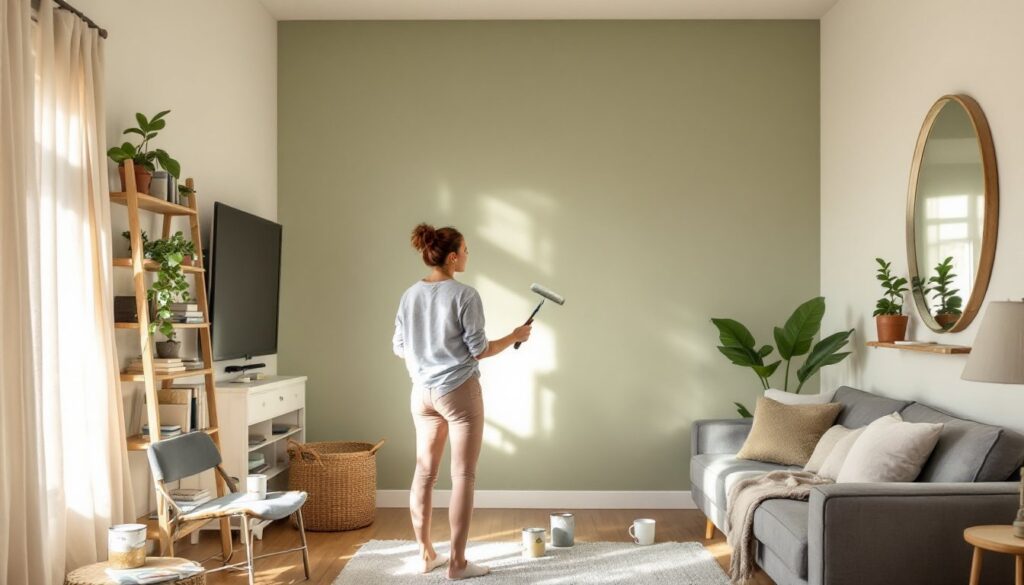
If your home has structural bones, hardwood floors, original trim, or traditional proportions, modern traditional design lets you keep and celebrate those features rather than fight them. Strip and refinish that wood floor. Paint walls in soft, neutral tones. Keep crown molding but ensure walls are mostly uncluttered. This approach honors what’s already there while creating the clean, breathable aesthetic modern traditional demands.
For those looking at comprehensive guidance, home interior design guides outline foundational principles that apply directly to modern traditional spaces, from scale and proportion to color theory. Homedit offers visual inspiration for balancing these elements across different room types. Also, a spotlight on homes blending traditional and modern interiors provides real-world examples of how professional designers execute this balanced aesthetic.
Conclusion
Modern traditional design works because it respects both heritage and livability. You’re not abandoning the architectural character of classic homes, nor are you surrendering to minimalist sterility. Instead, you’re creating spaces that feel grounded in timelessness while remaining genuinely functional and comfortable. Whether you’re refreshing a single room or undertaking a full renovation, the principles of balance, quality, and restraint will guide you toward a home that looks as good a decade from now as it does today.