

Table of Contents
ToggleDenver’s design landscape reflects the city itself: grounded in nature, energized by urban growth, and unafraid of bold choices. Homeowners here face a unique design challenge, how to honor the raw beauty of the Front Range mountains while living in a vibrant metro area with increasingly modern expectations. Denver interior design has evolved beyond tourist-lodge aesthetics into a sophisticated blend of mountain-modern sensibility and metropolitan polish. Whether you’re renovating a 1970s ranch, updating a loft downtown, or building new in the suburbs, understanding what makes Denver design distinctive, and how to apply it authentically, can transform your space from generic to genuinely yours. This guide walks you through the trends and practical choices that define Denver homes in 2026.
Key Takeaways
- Denver interior design masterfully blends mountain-modern aesthetics with urban sophistication, using natural materials and intentional design choices that respect the city’s landscape and contemporary expectations.
- Warm, earth-toned color palettes inspired by Colorado’s natural landscape—such as rust, terracotta, warm grays, and muted sage—are essential to Denver design because they absorb the city’s intense 300+ days of sunshine and create psychologically grounding interiors.
- Maximizing natural light in Denver’s high-altitude climate requires strategic window placement and layered treatments; south-facing windows work best for living rooms in winter, while north-facing windows provide consistent, shadowless light year-round.
- Denver living rooms should prioritize natural materials like reclaimed wood flooring, streamlined furniture that balances weight with openness, and warm-toned lighting layered through statement pendants and floor lamps rather than harsh overhead fixtures.
- Successful Denver interior design rejects pretense and over-ornamentation, focusing instead on structural design decisions that reflect authenticity—prioritizing negative space, locally-sourced art, and durable, high-performance fabrics that honor the city’s outdoor culture and contemporary lifestyle.
Understanding Denver’s Unique Design Aesthetic
Mountain Modern Meets Urban Sophistication
Denver’s signature design style isn’t one thing, it’s a conversation between two forces. On one side is the rugged, honest aesthetic born from Colorado’s outdoor culture: natural materials, clean lines, and an almost Scandinavian restraint. On the other is the metropolitan sophistication you’d find in any major city, sleek surfaces, mixed metals, and architectural rigor.
What makes Denver design work is how comfortably these sit side by side. A living room might feature reclaimed Douglas fir beams (nod to the mountains) paired with a mid-century modern sectional and concrete floors polished to a soft sheen (nod to the city). The key is intentionality. Every material choice signals something. When you use raw wood, it’s not accidental, it references the forests above Boulder County. When you install polished concrete, you’re acknowledging Denver’s industrial past and present.
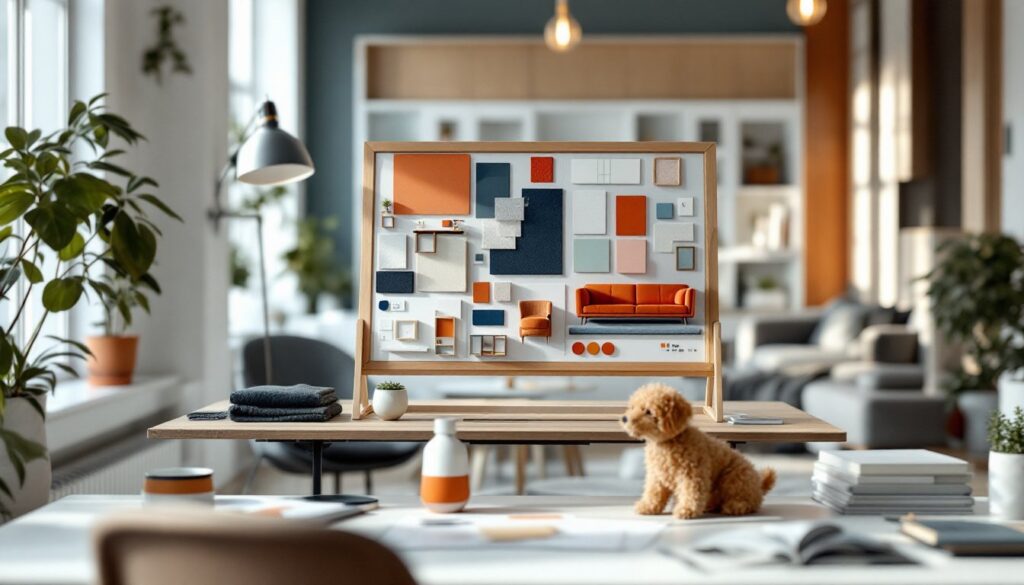
This approach works because Denver homeowners reject pretense. They don’t want to live in a theme park version of “rustic Colorado.” Interior Design vs Interior Decorating: Key Differences Explained clarifies this distinction perfectly: design is structural and intentional: decoration is cosmetic. Denver design leans heavily into that first definition. The choices you make about materials, layout, and proportions matter more than trendy throw pillows.
Warm, Earth-Toned Color Palettes Inspired by Colorado
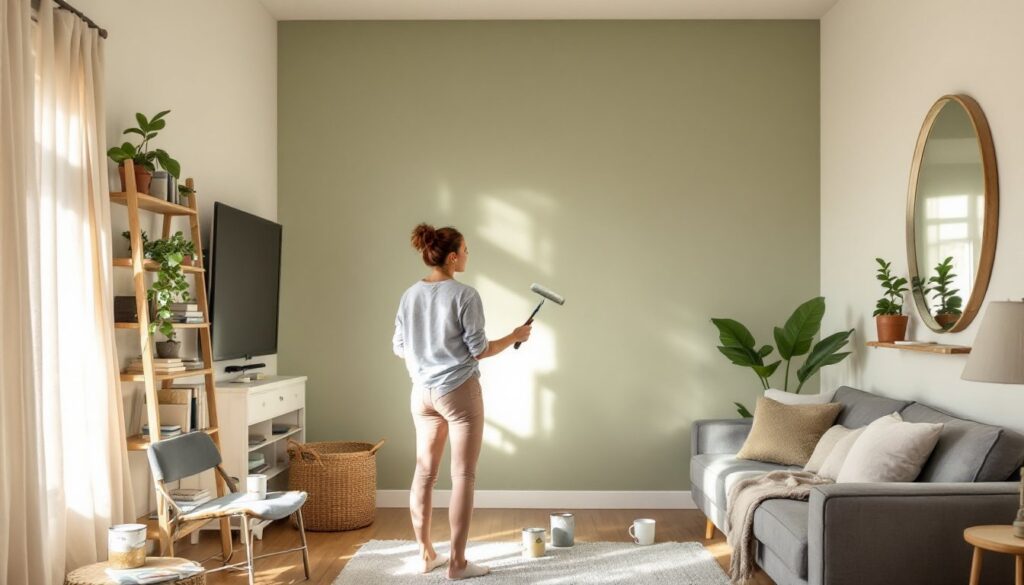
Walk through any neighborhood from Highlands to Cherry Creek, and you’ll notice the color story. It’s not bright. It’s not neutral beige. It’s warm, grounded, and pulled directly from the landscape that surrounds the city: rust, terracotta, warm grays, muted sage, charcoal, and cream.
This palette works for three reasons. First, Denver gets 300+ days of sunshine annually, strong, clear light that makes cool grays look harsh and cool whites feel sterile. Warm tones absorb and soften that light beautifully. Second, these colors age well. Unlike trendy paint colors that feel dated in five years, warm earth tones stay relevant because they’re literally pulled from nature. Third, they’re psychologically grounding. At 5,280 feet elevation, with big sky and open views, warm, anchored colors help interiors feel intimate and livable.
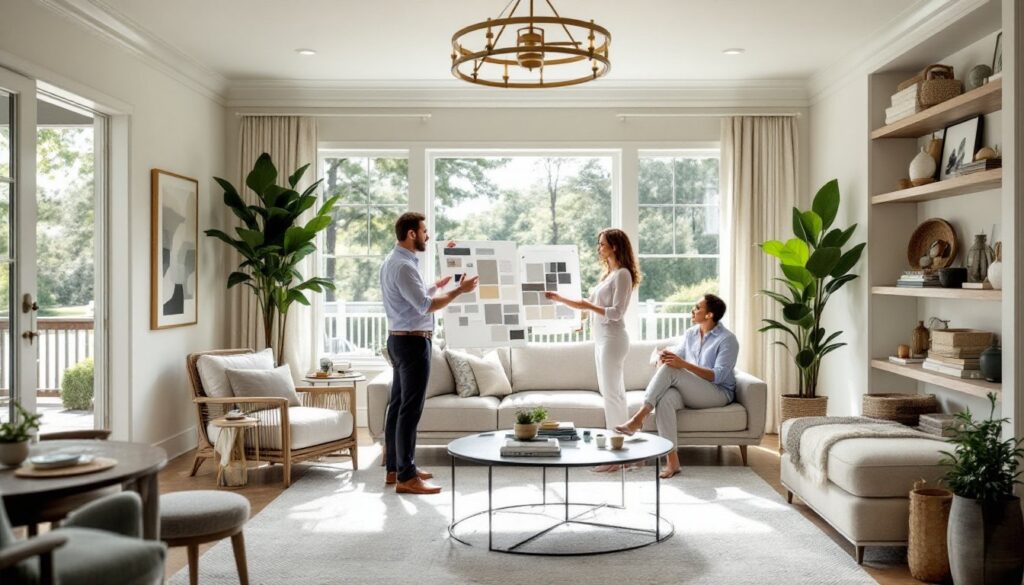
In practice, this means: walls might be warm greige (gray + beige) or soft terracotta: accent walls could feature deeper rust or charcoal: trim often stays creamy or warm white: and natural wood (whether original beams or new flooring) provides the deepest, richest tone. Metallics lean warm too, brass and copper outperform chrome or brushed nickel. When you add textiles, wool rugs, linen curtains, leather upholstery, you’re layering warm textures that make a room feel intentional and cohesive.
Practical Design Tips for Denver Homes
Maximizing Natural Light in High-Altitude Spaces
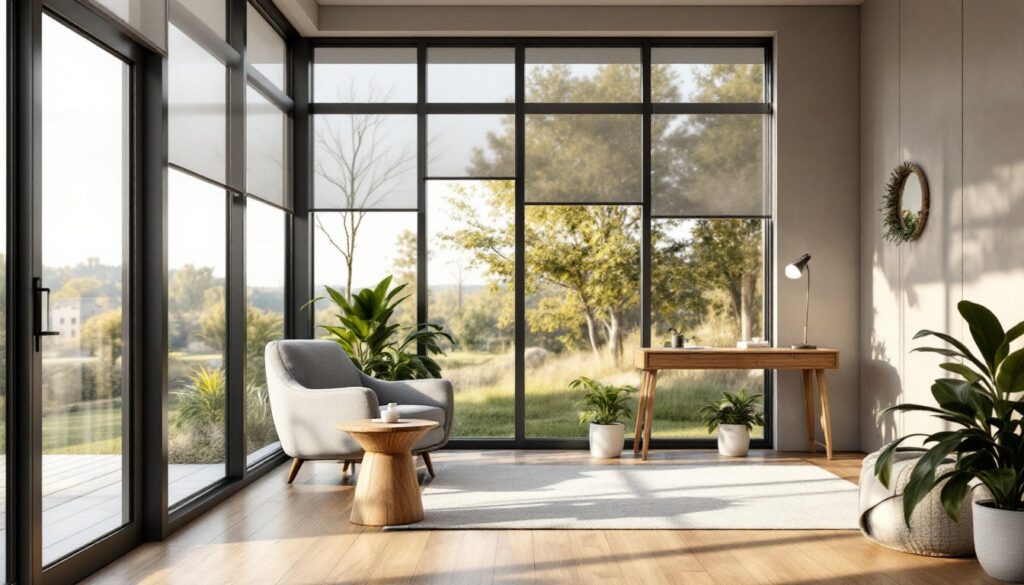
Denver’s thin air and clear skies mean sunlight is intense and abundant, but it also means heat gain is real. Unlike coastal or humid climates, Denver’s dry air doesn’t diffuse light, it’s bright, direct, and penetrating. Smart use of natural light isn’t optional: it’s foundational.
First: window placement and sizing matter enormously. South-facing walls get hammered from October through April. North-facing walls stay cool but give consistent, shadowless light all year. East-facing windows wake up rooms early with soft, warm morning light. West-facing windows are trouble in summer (heat blast from 3–6 p.m.) but lovely in winter. When designing or renovating, prioritize windows that align with your room’s purpose. A home office works best on the north or east: a living room thrives with south light in winter and can tolerate heat if you add shade.
Second: window treatments need dual function. Sheer curtains keep privacy and reduce glare without blocking the view or that pure Denver light. Motorized roller shades or cellular shades let you adjust throughout the day, crucial for managing solar heat and protecting furnishings from UV fade. Many Denver designers recommend a layered approach: sheer linen in front, solid shade behind, allowing flexibility.
Third: reflective surfaces and mirrors amplify light without adding windows. A large mirror opposite a window bounces sunlight deeper into a room and makes tight spaces feel larger. Light-colored walls (your warm earth tones work perfectly here) reflect more light than dark paint. Interior Design Tips to Transform Your Living Space explores these principles in depth.
Fourth: skylights and clerestory windows are worth exploring in renovations. Denver’s mostly clear weather makes these additions viable year-round, and high-altitude sun through overhead glass feels magical. Install them on north-facing rooflines (in northern hemisphere) to avoid summer overheating, or use skylights with smart controls or thermal shades.
Denver Interior Design for Different Room Types
Creating a Cozy Living Room That Reflects Local Culture
The living room is where Denver design philosophy shows itself most clearly. It’s not a showroom: it’s a place to live, gather, and feel rooted.
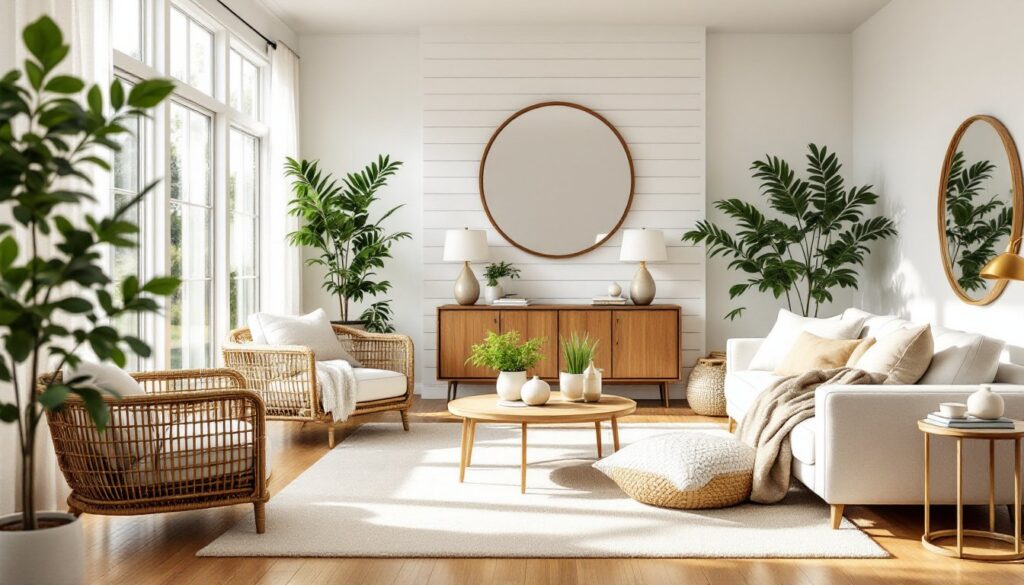
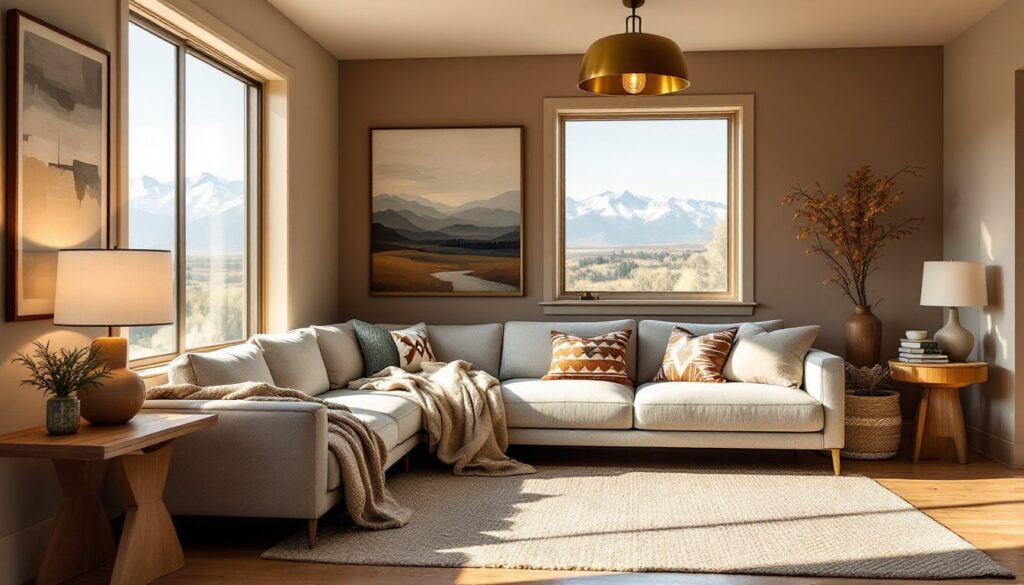
Start with a good foundational material. Many Denver homes feature original hardwood (oak, fir, or spruce) or reclaimed wood floors. If you’re installing new, engineered hardwood or luxury vinyl plank (LVP) that mimics wood works well, it’s more forgiving than solid hardwood in Denver’s low-humidity climate, where seasonal wood movement can cause cupping. Pair wooden floors with a substantial area rug in natural fiber (jute, sisal, or wool) to warm the space and define the seating area.
Furniture should balance weight and openness. Oversized, heavy sofas and tables can make a room feel cramped, especially in older Denver homes with standard 8-foot ceilings. Consider a streamlined sectional in durable fabric (leather, performance fabric, or heavy linen) paired with simple, wooden side tables. Avoid overstuffing: negative space is your friend. The goal is a room that feels lived-in, not cluttered.
Accents and textiles are where personality emerges. Layer in Interior Design Ideas to Transform Your Space through throw pillows in wool or linen (warm earth tones, perhaps with a Navajo or geometric pattern), a chunky knit throw, and a few carefully chosen art pieces. Denver’s art community is thriving, consider supporting local artists. A single large piece (landscape, abstract, or photography) outperforms a gallery wall for the mountain-modern aesthetic.
Lighting requires intention. Overhead fixtures can feel harsh in a casual living room. Instead, layer in a statement pendant or chandelier as ambient light, add floor lamps for reading and task light, and include a dimmer switch so you control intensity throughout the day. Warm-toned LED bulbs (2700K color temperature) maintain that cozy feel while being energy-efficient.
For inspiration, Houzz and Homedit both showcase plenty of Denver-area living rooms. You’ll notice recurring themes: natural wood, warm textiles, minimal ornamentation, and an easy relationship with nature, either through views or through materials that bring the outdoors in. A Denver-based design couple recently reimagined a proper English-style home as a light-filled, family retreat, demonstrating how Denver’s design sensibility can refresh traditional architecture.