

Table of Contents
ToggleBuilding a beautiful home doesn’t have to come at the cost of the planet. Sustainable <a href="https://gh-books.com/interior-design-for-beginners/”>interior design products are no longer niche or expensive, they’re practical, stylish, and increasingly affordable. Whether you’re refreshing a single room or overhauling your entire space, choosing eco-friendly materials and furnishings reduces your environmental footprint while creating a healthier living environment. This guide breaks down what makes products truly sustainable, which materials deliver real performance, and how to integrate responsible choices into your design without very costly.
Key Takeaways
- Sustainable interior design products prioritize lifecycle impact—sourcing, manufacturing, durability, and end-of-life disposal—with truly eco-friendly choices lasting decades rather than seasons.
- Third-party certifications like FSC, GREENGUARD, OEKO-TEX, and Cradle to Cradle cut through greenwashing and provide independent proof of environmental claims.
- Natural materials like FSC-certified solid wood, bamboo, cork, and organic cotton deliver superior performance while reducing chemical off-gassing and waste compared to engineered alternatives.
- Secondhand furniture extends product lifecycles at 40–70% cost savings, and solid vintage frames can be reupholstered affordably rather than replaced with low-quality new pieces.
- A sustainable interior design budget spreads over time with phased purchases of high-impact items (flooring, walls, major furniture), DIY labor, and strategic secondhand shopping, costing only 10–20% more than conventional design.
- Modern eco-friendly alternatives like LED lighting, low-VOC paint, linoleum flooring, and natural fiber upholstery perform identically to conventional options while protecting indoor air quality and reducing environmental footprint.
What Makes Interior Design Products Truly Sustainable
Sustainability isn’t a marketing buzzword, it’s about minimizing environmental impact across a product’s entire lifecycle. A truly sustainable product considers sourcing, manufacturing, transportation, durability, and end-of-life disposal. The most eco-friendly choice is one that lasts decades, not seasons.
When evaluating products, look beyond green packaging. Ask: Is the material sourced responsibly? How energy-intensive is production? Will this piece hold up, or will you replace it in three years? Cheap fast-furniture that falls apart justifies nothing, environmentally speaking. A well-made solid wood chair that survives twenty years beats a particle-board trendy piece replaced twice.
Key Certifications and Standards to Look For
Third-party certifications cut through greenwashing. The Forest Stewardship Council (FSC) certifies responsibly harvested wood and paper products. GREENGUARD and GREENGUARD Gold indicate low chemical emissions, critical for indoor air quality. OEKO-TEX certifies textiles free from harmful substances. Cradle to Cradle certification tracks material health and recyclability across a product’s lifetime.
When shopping, request certification documents. Legitimate manufacturers proudly display them. If a brand claims sustainability but can’t produce a third-party label, that’s a red flag. Local and regional certifications matter too, research what standards apply in your area. These aren’t decorative badges: they’re proof that someone independent verified the environmental claims.
Eco-Friendly Materials Every Homeowner Should Know About
Understanding material basics helps you make informed choices. Solid wood, especially FSC-certified hardwoods like oak, walnut, and maple, is durable and repairable. Avoid products with engineered veneers over particle board: they can’t be refinished and end up in landfills. Real wood ages beautifully and can be passed down or repurposed.
Bamboo grows rapidly without pesticides and regenerates quickly, making it genuinely sustainable. Use it for flooring, furniture, or accent pieces. Performance matches or exceeds traditional hardwood, and costs run 10–20% lower. Ensure bamboo carries FSC or equivalent certification to confirm responsible harvesting.
Recycled and reclaimed materials reduce waste. Reclaimed wood flooring or barn siding carries history and character. Recycled metal, glass, and plastic get new life in fixtures, hardware, and countertops. Cork comes from tree bark, harvested without felling the tree, and offers natural insulation and warmth underfoot. Natural fibers like jute, sisal, hemp, and organic cotton work for rugs, curtains, and upholstery. They’re biodegradable, breathable, and add texture without off-gassing chemicals.
Low-VOC and zero-VOC paints emit fewer volatile organic compounds, protecting indoor air quality. Modern low-VOC formulas perform identically to conventional paint with no odor or health concerns. Expect a 5–15% price premium, justified by health benefits. When refreshing interior design ideas, specify low-VOC paint from the start.
Furniture and Upholstery Options for Conscious Decorating
Furniture represents a major investment, so durability is nonnegotiable. Solid wood frames with eight-way hand-tied springs or high-density foam lasting 10+ years beat particle-board frames failing in three. Hardwood legs and joints that accept wood screws, not staples, allow repairs.
Upholstery matters deeply. Natural fibers (organic cotton, linen, wool) breathe and age gracefully. Avoid synthetic microfiber that sheds microplastics. Performance fabrics treated with PFOA-free stain protection exist: ask manufacturers explicitly about PFOA-free formulations, as some still use legacy chemicals. Brands designing best interior design solutions increasingly offer natural fiber options without the “natural = fragile” stereotype.
Secondhand furniture is inherently sustainable, it extends product lifecycle and costs 40–70% less than new. Estate sales, local consignment shops, and online marketplaces offer well-made vintage and contemporary pieces. Inspect joints, springs, and fabric: reupholstering a solid frame costs less than buying new poor-quality furniture. Many furniture makers now offer take-back programs, refurbishing or recycling old pieces when you upgrade. Research local options: some offer free or low-cost pickup.
When shopping, prioritize timeless designs over trendy silhouettes. A neutral sofa in natural linen outlasts five fashion-forward pieces. Mixing vintage and new pieces creates character while reducing demand for virgin resources.
Sustainable Flooring, Walls, and Lighting Solutions
Flooring choices set the tone and durability for an entire room. Solid hardwood (oak, maple, walnut) lasts 25+ years and refinishes multiple times. Engineered hardwood (real wood veneer over plywood) works over radiant heat and in moisture-prone areas like kitchens. Bamboo rivals hardwood in durability and costs 15–25% less. Cork provides natural cushioning, warmth, and antimicrobial properties, ideal for kitchens and bedrooms. Linoleum (not vinyl) comes from linseed oil, cork, and jute, fully biodegradable and durable 20+ years. Recycled content tile uses post-consumer waste glass or porcelain, performs identically to virgin material, and costs within 10% of standard options. Avoid vinyl plank flooring: it off-gasses phthalates and ends up in landfills after 10 years.
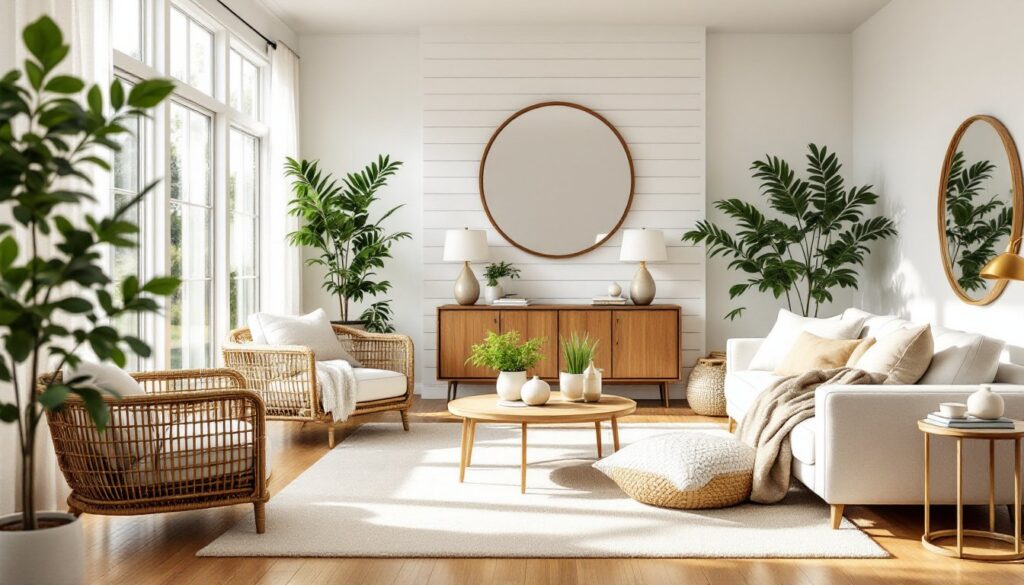
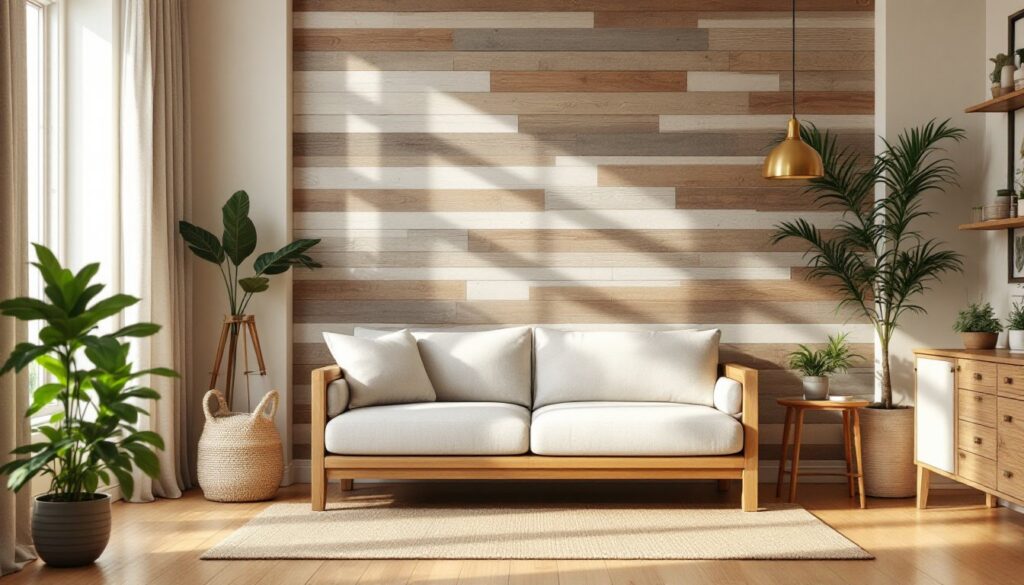
Wall treatments range beyond paint. Natural clay plaster breathes and regulates humidity better than drywall. Reclaimed wood shiplap adds warmth and captures architectural history. Cork or natural fiber wall coverings provide acoustic absorption and texture. Wallpaper from sustainable sources (FSC paper, plant-based inks, natural adhesives) refreshes spaces without chemicals. Avoid PVC-based vinyl wallpapers and conventional adhesives containing formaldehyde.
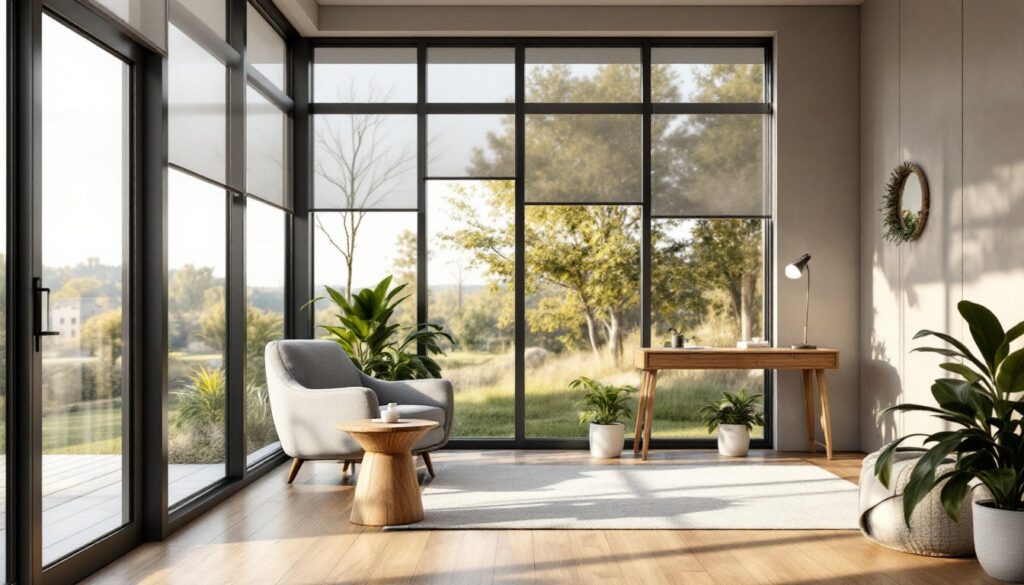
Lighting drives both aesthetics and energy use. LED fixtures use 75% less energy than incandescent bulbs and last 25,000+ hours. Dimmers reduce consumption further. Look for ENERGY STAR certified fixtures. Natural light through larger windows or skylights reduces daytime lighting needs, a capital investment yielding long-term savings. Reclaimed light fixtures (salvaged from vintage buildings) add character while preventing waste. Sustainable interior design trends 2026 emphasize layered lighting, ambient, task, and accent, all energy-efficient.
Budget-Friendly Ways to Incorporate Sustainable Products Into Your Design
Sustainable doesn’t demand luxury pricing. Start small: replace one room, then expand. Prioritize high-impact, long-lasting pieces, flooring, walls, and major furniture, over accessories. A single room refresh with FSC wood flooring and low-VOC paint costs 10–20% more than conventional: spread across years, that premium shrinks.
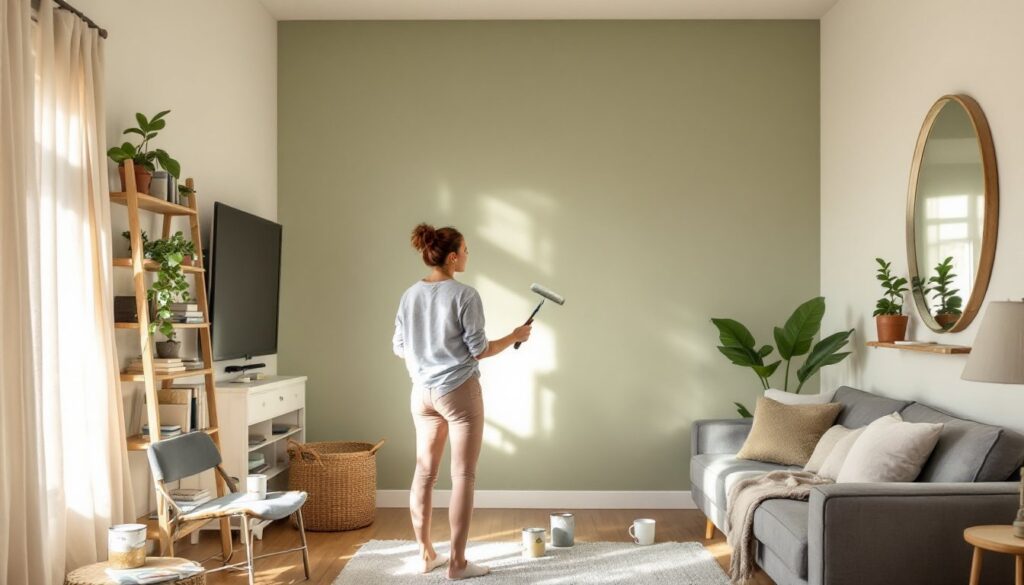
DIY labor cuts costs dramatically. Painting, simple installations, and furniture assembly don’t require professionals. Refinishing reclaimed wood or upcycling thrift-store pieces saves money while reducing waste. Many suppliers offer bulk discounts on sustainable materials: buying flooring or paint for a whole project at once yields 5–10% savings.
Buy secondhand strategically. Furniture, lighting, and even flooring from salvage yards cost 40–70% less and carry zero shipping emissions. Avoid secondhand painted items unless you’re willing to refinish, lead paint in pre-1978 homes requires professional abatement. Local auctions and estate sales often feature solid vintage pieces at bargain prices.
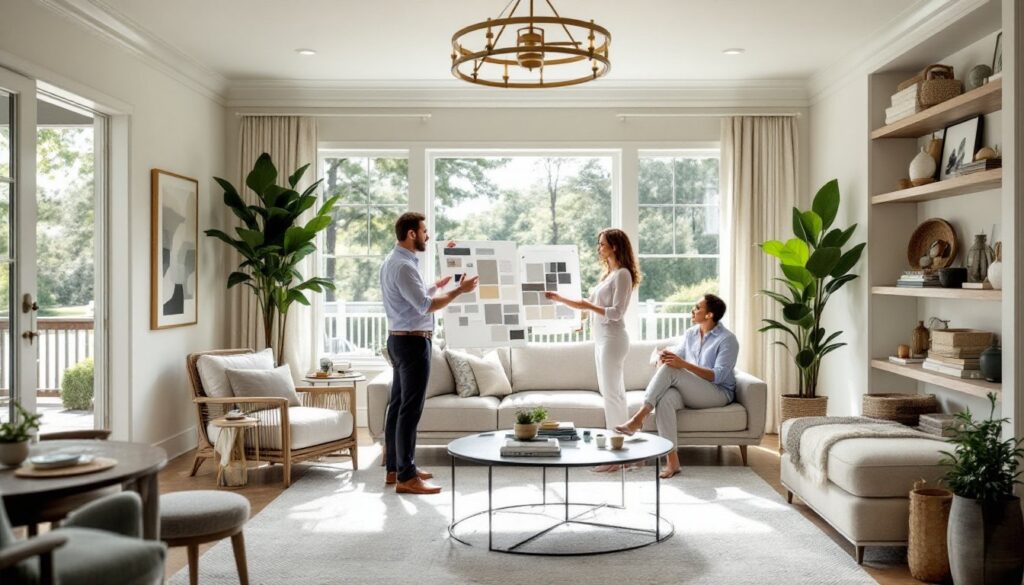
Phase purchases over time. You don’t refresh a whole house in one weekend. A sustainable approach spreads investment across months or years, preventing budget shock and allowing flexibility. Save FSC wood flooring for high-traffic areas first: upgrade other rooms later. This strategy also lets you research brands and certifications thoroughly before committing.
Resources like sustainable eco-friendly home design tips and Homedit showcase budget-friendly sustainable projects. Many manufacturers have clearance or open-box sales: sign up for email lists. Second-quality materials (minor cosmetic flaws, discontinued colors) perform identically to first-quality at 20–40% discounts. Retail liquidation events and builder closeouts sometimes yield genuine bargains on premium sustainable products.
Conclusion
Sustainable interior design isn’t about sacrifice, it’s about making choices that feel good, perform well, and respect the planet. By prioritizing certifications, understanding materials, and building a plan rather than impulse-buying, homeowners create spaces that last and age beautifully. Start with one project, research your options, and build from there. The most sustainable product is the one you already own: the next best is one built to last decades. Your wallet and your conscience will thank you.