

Table of Contents
ToggleTuscan Mediterranean interior design brings the rustic charm and sun-soaked warmth of the Italian countryside directly into your home. This enduring style combines earthy textures, warm color palettes, and handcrafted furnishings to create spaces that feel both lived-in and intentional. Unlike trendy aesthetics that fade quickly, Tuscan Mediterranean design has remained popular for decades because it prioritizes comfort, authenticity, and timeless appeal. Whether you’re renovating a single room or rethinking your entire home, this guide walks you through the key principles, practical material choices, and specific techniques that define the style. You don’t need to live in Tuscany to capture that welcoming, Mediterranean atmosphere, just the right color choices, textures, and furnishings can transform any space into a warm retreat.
Key Takeaways
- Tuscan Mediterranean interior design prioritizes texture, warmth, and authenticity through natural materials like stone, terracotta, and weathered wood rather than modern polish.
- Earthy color palettes including terracotta, ochre, cream, and burnt sienna create a timeless, sun-faded aesthetic that ages gracefully without requiring constant maintenance.
- Textured wall finishes such as lime-wash, stucco, or faux stucco techniques are essential to achieving authentic Tuscan Mediterranean style instead of flat, smooth surfaces.
- Invest in substantial statement pieces like thick wooden tables, wrought-iron accents, and antique terracotta urns rather than filling spaces with numerous small decorative items.
- Warm, ambient lighting from wrought-iron fixtures and dimmer-controlled recessed lights preserves the intimate, welcoming atmosphere that defines Tuscan design.
- Layer natural textiles like linen, jute, and wool in neutral tones, and source handcrafted or aged accessories from antique shops to create a collected-over-time aesthetic.
Understanding Tuscan Mediterranean Design Fundamentals
Tuscan Mediterranean design draws inspiration from the rolling hills, clay buildings, and sun-drenched vineyards of central Italy. The style emphasizes natural materials, earthy hues, and a sense of organic history, nothing feels artificially polished or mass-produced. This isn’t about creating a museum: it’s about building a home that looks and feels authentic, with character earned through thoughtful material selection and layering.
The core of Tuscan design rests on three pillars: texture, warmth, and authenticity. Textures come from stone, terracotta, wrought iron, and weathered wood. Warmth emerges through color and the visible human craft in furnishings. Authenticity means choosing materials and finishes that age gracefully rather than demand constant upkeep.
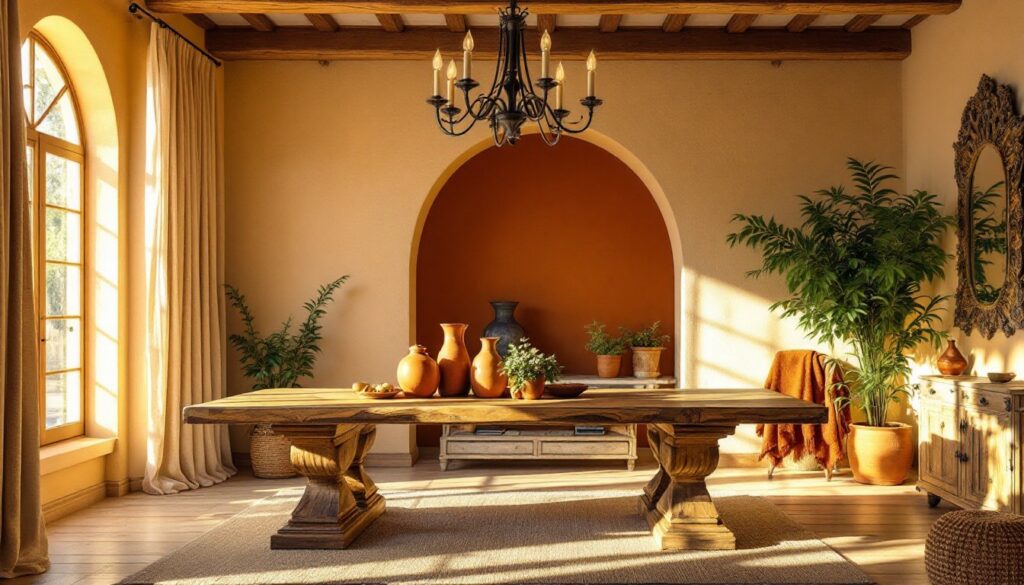
Unlike minimalist or contemporary interiors that prioritize clean lines and restraint, Tuscan spaces celebrate visual richness. A Tuscan room might display exposed beams, stucco walls, aged pottery, and layered textiles, each element tells a story. The key is balance: these elements shouldn’t feel cluttered or chaotic. Instead, they’re arranged with intention, often grouping similar textures or colors to create visual harmony.
Interior Design Tips to Transform Your Living Space emphasize the importance of intentional layering, which is fundamental to Tuscan aesthetics. Starting with a solid understanding of these fundamentals ensures that every color choice, furniture piece, and accessory reinforces the overall vision rather than fighting against it.
Color Palettes and Wall Treatments That Define the Style
Choosing Earthy Tones and Warm Hues
Tuscan Mediterranean color schemes are rooted in the natural landscape: terracotta, ochre, cream, burnt sienna, and soft umber. These aren’t bright or saturated colors: they’re muted, sun-faded versions that feel grounded and timeless. Think of clay pottery left out in the Tuscan sun for decades, the colors shift and soften, becoming more beautiful with age.
Warm neutrals like cream, ivory, and pale tan work beautifully as primary wall colors, allowing accent hues and textures to shine. Terracotta and rust-orange work well as accent walls or trim, especially in dining areas and kitchens. Deep earth tones like burnt sienna and dark ochre appear in smaller doses, perhaps on a single accent wall, in trim work, or on cabinetry.
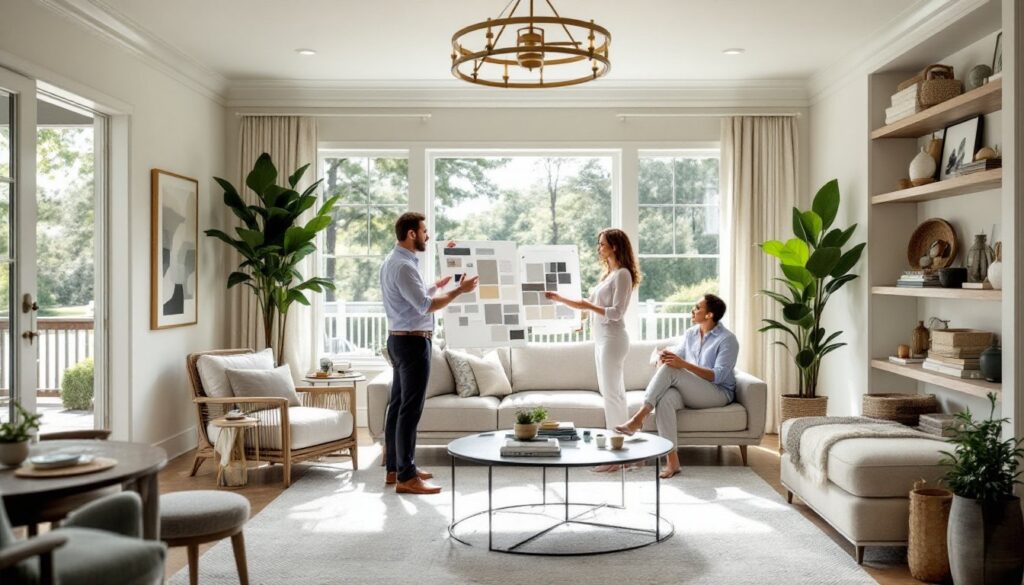
Cool grays and pure whites feel out of place in Tuscan design. Instead, opt for warm whites with subtle undertones of yellow or tan. Paint manufacturers often label these as “cream,” “linen,” or “antique white.” Test samples on your walls in natural and artificial light before committing, since undertones shift dramatically throughout the day.
Interior Design Examples: Inspiring Ideas for Every Room showcase how these color combinations work in real spaces, demonstrating how warm neutrals paired with accent terracotta or ochre create depth without overwhelming a room.
Textured Finishes and Authentic Wall Techniques
Flat, smooth walls don’t read as authentically Tuscan. Instead, aim for textured finishes that mimic aged stucco or lime-washed plaster. Several methods achieve this effect, ranging from simple to more involved.
Stucco finishes are the gold standard for authentic Tuscan walls. True stucco, a mixture of lime, sand, and clay, requires professional application and maintenance knowledge. If hiring professionals, confirm they have experience with lime-based stucco, not modern acrylic stucco, which doesn’t age or breathe the same way. For DIYers, faux stucco techniques using textured drywall compound or specialized paint additives offer a convincing alternative. These products mix into standard latex paint, creating a rougher, more organic surface when applied with rollers, brushes, or trowels.
Plaster finishes and tadelakt (a Moroccan waterproofing plaster) create similar depth. Both require skill to apply evenly: if you’re inexperienced, practice on a test wall or closet before committing to visible rooms.
Another accessible option is lime-wash paint, which creates a slightly chalky, aged appearance without the labor-intensive application of true lime plaster. Lime-wash dries more slowly than standard paint and can be reapplied in thin layers to build depth and character.
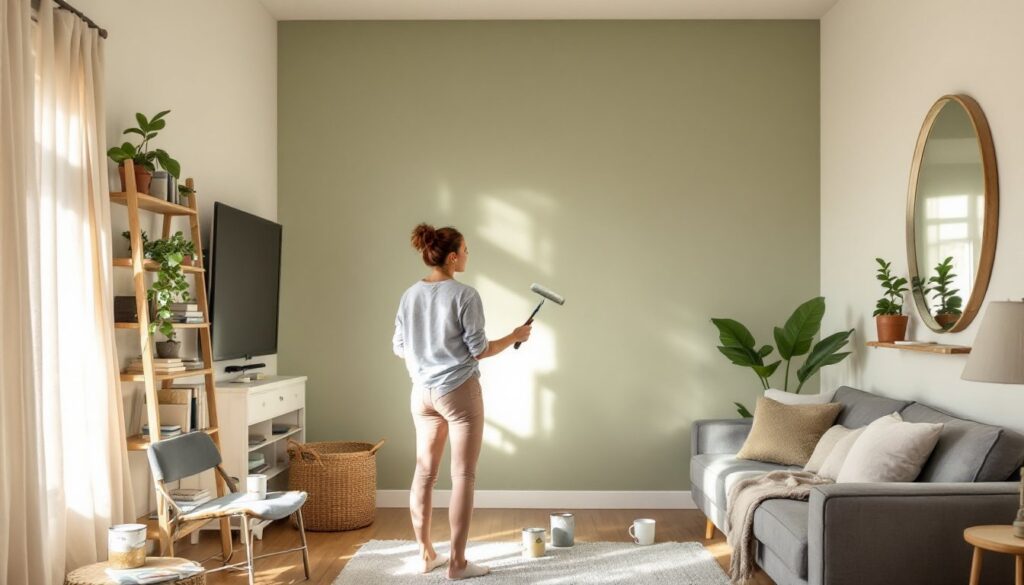
For walls you plan to paint yourself, start with quality primer, typically two coats on fresh drywall or primer-sealers on previously painted surfaces. Uneven primer coverage leads to visible patches once you apply finish color. Apply two coats of your chosen finish (textured paint, stucco compound, or lime-wash), allowing proper drying time between coats. Work in sections to avoid lap marks, which are especially visible on textured surfaces.
Furniture and Decor Elements for Authentic Tuscan Spaces
Selecting Rustic Wood and Statement Pieces
Tuscan interiors rely heavily on visible wood, beams, tables, shelving, and cabinetry, often left in natural or honey-toned finishes. The wood should look substantial and aged, not delicate or contemporary. Reclaimed wood is ideal, but new wood can be stained and distressed to mimic age. Look for pieces with hand-hewn or visible grain characteristics rather than machine-finished surfaces.
Heavy wood tables anchor dining areas. These pieces typically feature thick tops (2+ inches) and sturdy legs, often hand-carved or turned. Similarly, substantial wood shelving with visible brackets or corbels (decorative supports) contributes to the sense of authenticity. Avoid thin, minimalist shelving, it reads as modern rather than Tuscan.
Wrought iron accents pair beautifully with wood. Fireplace screens, light fixtures, cabinet hardware, and wall-mounted shelving brackets in dark, hand-forged iron reinforce the handcrafted aesthetic. These aren’t polished or shiny: they should appear aged and slightly weathered.
Terracotta and earthenware pieces, large planters, oil jars, or decorative urns, add visual weight and authenticity. Sourcing older pieces from antique shops or local ceramicists strengthens the lived-in feel. Even newer terracotta, left unglazed and unfinished, reads authentically if the form is right.
Best Interior Design Ideas to Transform Your Space emphasize starting with a few statement pieces rather than filling a room with smaller items. In Tuscan design, one beautiful wooden table, a substantial mirror with a wrought-iron frame, or a collection of antique terracotta jars creates more impact than dozens of smaller accessories.
Textiles, linen curtains, jute rugs, wool throws, add warmth without competing visually. Choose natural, undyed or naturally dyed fabrics in cream, tan, rust, or deep brown. Ornate patterns or bright colors clash with the understated elegance Tuscan design pursues.
Lighting and Accessories to Complete Your Design
Lighting in Tuscan interiors should feel warm and ambient rather than bright and clinical. Wrought-iron chandeliers with candle-style bulbs, wall sconces with clay or ceramic shades, and table lamps with linen or aged paper shades all work well. Avoid sleek modern fixtures or chrome finishes: instead, seek out pieces with visible hand-forged details or aged patina.
Recessed lighting can work in Tuscan spaces if balanced with visible fixtures. Use recessed lights on dimmer switches to create layered, adjustable ambient light. Pair them with accent lighting, wall sconces or table lamps, to preserve the warm, intimate feel.
For accessories, Interior Design Trends 2026: note that authenticity remains paramount. Skip mass-produced “Tuscan” decor items: instead, layer in pieces with genuine history or handcrafted character. Antique mirrors with ornate or weathered frames, vintage pottery and urns, and collections of old books all contribute to a room that feels collected over time rather than decorated in a weekend.
Wall art should reflect the landscape or culture: paintings of Italian countryside, botanical prints, or original local art. Exposed stone, if you have it, needs no adornment, let it be a focal point. Similarly, a large fireplace with visible tile or stone is a statement in itself.
Interior Design Guide: Essential Principles for Creating Beautiful Spaces reminds us that less is often more. Tuscan spaces benefit from restraint: avoid cluttering surfaces with knickknacks or overstuffing shelves. Instead, arrange items in small, intentional groupings, leaving breathing room around each piece.
External inspiration is valuable when refining your vision. Architectural Digest’s Tuscan Style Interiors showcase stunning examples of how professionals balance these elements. Also, Homify’s Tuscan Style Interior Design Ideas provide practical inspiration for smaller spaces or budget-conscious approaches.
When sourcing accessories, prioritize quality and authenticity over quantity. A single beautiful terracotta urn placed thoughtfully on a shelf makes more impact than five generic decorative items. Handcrafted ceramics, aged wood pieces, and items with visible wear tell a story, they’re exactly what Tuscan design celebrates.