
Table of Contents
ToggleA small office doesn’t mean a cramped, uninspiring workspace. Whether you’re running a business from a corner of your bedroom, converting a closet into a home office, or designing a compact professional studio, the right approach to modern small office interior design transforms functionality into style. The difference between a workspace that drains your energy and one that energizes you comes down to thoughtful choices about color, lighting, furniture, and organization. This guide walks you through practical strategies to maximize every square foot without sacrificing aesthetics or comfort.
Key Takeaways
- Modern small office interior design transforms limited spaces into productive, energizing environments through intentional choices about color, lighting, and furniture.
- Layered lighting—combining overhead fixtures, desk lamps with warm-toned LEDs, and natural light—is essential to reduce eye strain and boost mood in compact work areas.
- Ergonomic seating, space-saving furniture like wall-mounted desks and vertical shelving, and strategic cable management create comfort without consuming square footage.
- A cohesive aesthetic on a budget combines fresh paint, secondhand furniture finds, and personal touches like plants and framed items for an intentional workspace.
- Regular organization systems and monthly reassessment—removing unused items and pruning clutter—keep small offices functional and prevent them from becoming overwhelming.
- Even small design changes, such as adding a plant, painting an accent wall, or organizing cables, compound into a workspace that supports both productivity and well-being.
Why Small Office Design Matters for Productivity and Well-Being
Your workspace directly impacts how you work and feel. A well-designed small office eliminates visual clutter, reduces decision fatigue, and creates an environment where focus comes naturally. When your surroundings support your task at hand, whether answering emails, attending video calls, or deep work, you’re more likely to stay on task and finish stronger.
Beyond productivity, a thoughtfully designed office boosts morale. Studies show that environments with intentional color choices, proper lighting, and personal touches reduce stress and increase job satisfaction. Even in compact spaces, details matter: a chair that supports your back during eight-hour days, storage that keeps papers out of sight, and a desk height that lets your arms rest at 90 degrees all contribute to your physical and mental well-being. Small office design isn’t luxury, it’s the foundation for sustainable, healthy work habits.
Essential Elements of Modern Small Office Design
Choosing the Right Color Palette and Lighting
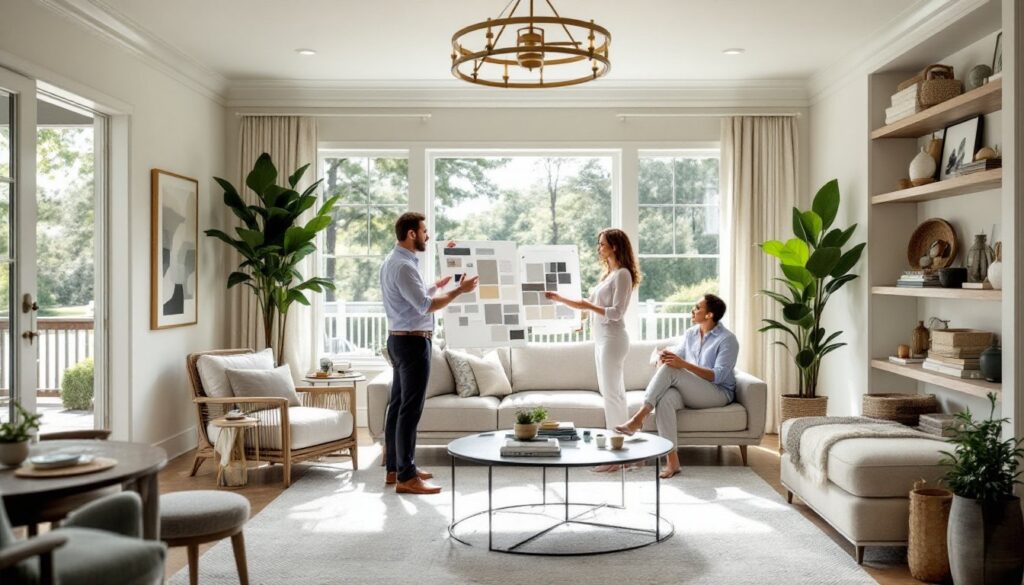
Color sets the tone faster than any other design choice. For small offices, the strategy is balance: lighter walls expand the perceived space, while accent colors add energy and personality without overwhelming. Soft neutrals like warm gray, soft white, or warm taupe pair well with deeper accent colors in navy, forest green, or muted terracotta to define zones without shrinking the room.
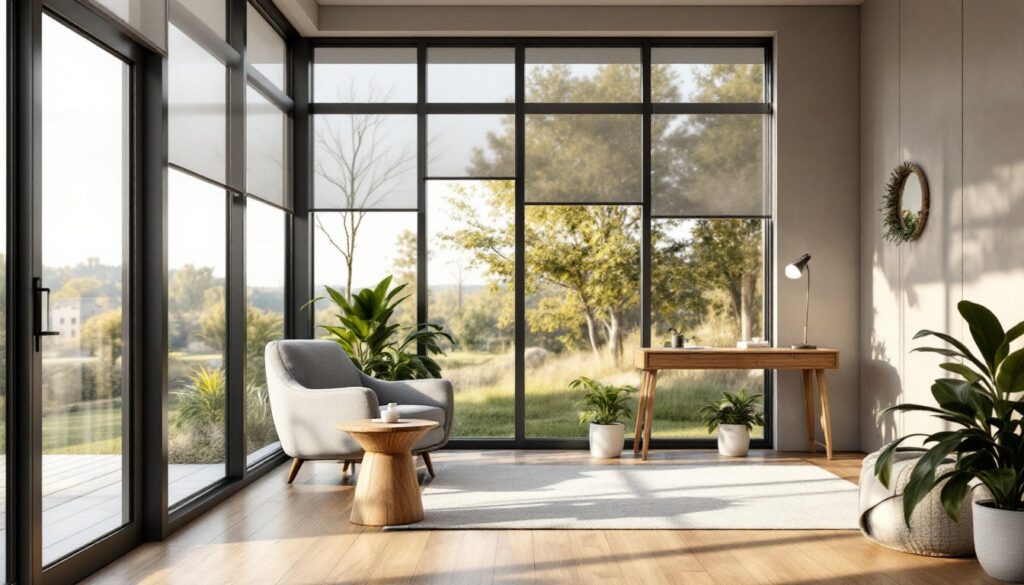
Lighting separates a headache-inducing office from one that feels pleasant. Overhead ceiling fixtures alone rarely work, they cast shadows and create glare on screens. Layer your lighting with overhead fixtures, a desk lamp with warm-toned LED bulbs (2700K–3000K color temperature), and ambient lighting to reduce contrast between your screen and surroundings. Natural light is ideal: position your desk perpendicular to windows to avoid screen glare while still enjoying daylight’s mood-boosting and circadian rhythm benefits.
Furniture and Space-Saving Solutions
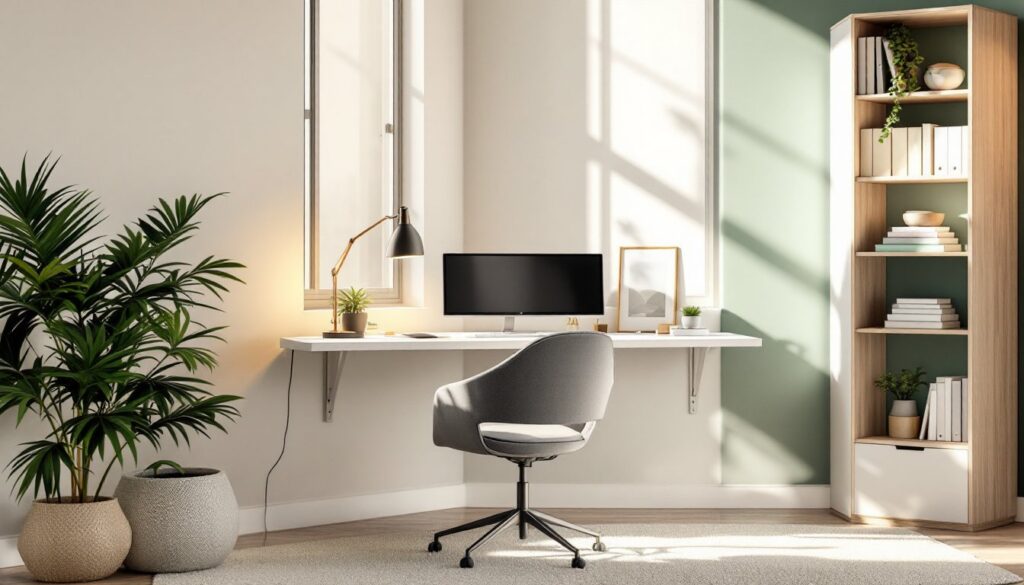
In a small office, every piece earns its spot. An ergonomic office chair is non-negotiable, your back will thank you after 40+ hours weekly. Pair it with a desk that fits the space: wall-mounted desks, corner desks, or compact standing desk converters save floor area and give you breathing room. Storage solutions determine whether your office feels serene or chaotic. Vertical shelving, floating wall cabinets, and under-desk drawers hide papers and supplies without consuming square footage.
Multifunctional furniture doubles as style. A slim bookcase behind your desk displays design books while storing files. A small credenza provides surface space and concealed storage. Cable management clips and under-desk cable trays keep cords invisible, visual clutter is the enemy of small spaces. Interior Design Tips to Transform Your Living Space emphasizes how thoughtful furniture selection creates breathing room, and the same principle applies to compact offices.
Creating an Inspiring Aesthetic on a Budget
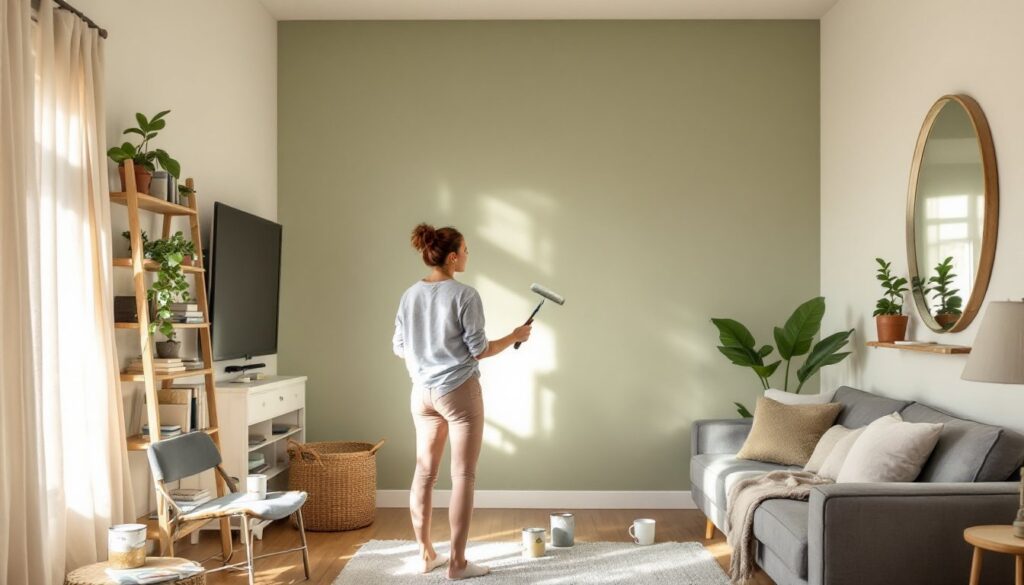
Modern small office design doesn’t require a decorator’s budget. Start with paint: a fresh coat of your chosen neutral base color costs under $100 and instantly refreshes the space. Add an accent wall in a deeper tone or subtle texture for visual interest without overwhelm.
Secondhand furniture and thrift finds bring character and save money. Office chairs from used office liquidation sales, solid wood desks from online marketplaces, and vintage filing cabinets add warmth that mass-produced pieces lack. Pair vintage finds with modern accessories, minimal desk organizers, streamlined shelving brackets, and contemporary lighting, to keep the look cohesive.
Personal touches matter most. A few framed items (prints, photos, or design pieces), a small plant or two, and textiles like a chair cushion or desk runner inject personality. These details cost little but make your office feel intentional rather than generic. Interior Design Ideas to Transform Your Space explores how layered design elements build a compelling aesthetic, and small offices benefit from the same layered approach. Resources like Homedit offer countless budget-friendly inspiration ideas you can adapt to your compact space.
Practical Tips for Organizing and Maximizing Your Small Office
Organization makes or breaks a small office. Without a system, clutter accumulates visibly and psychologically. Start with zones: work zone at your desk, reference zone with frequently used items within arm’s reach, and storage zone for archived or less-used materials. Label everything, files, shelves, drawers, so items return to their homes consistently.
Carry out a paper management system. Go digital where possible: scan documents, sign contracts electronically, and file digitally. For necessary paper, use a compact filing cabinet or file sorter with clear categories. Digital storage costs nothing and frees up square footage.
Monitor placement affects space perception and functionality. A single monitor uses less desk real estate than dual setups but monitor arms can elevate screens and create desk surface below. Cable management matters more in small spaces, use clips, channels, or sleeves to route cables behind furniture so they’re invisible. Interior Design for Beginners walks through foundational design choices that apply directly to office spaces.
Photography and style inspiration from 30 Modern Home Office Ideas You Should Put to Work and sites like Decoist show how others have tackled compact office design. Study layouts that work and extract principles rather than copying outright, your space is unique.
Finally, reassess monthly. Small offices require regular pruning: remove items you don’t use, replace worn supplies, and adjust lighting or furniture if it’s not serving you. This maintenance keeps the space functional and intentional rather than letting it drift into clutter.
Conclusion
Modern small office interior design balances aesthetics and pragmatism. Start with the basics, color, lighting, and one quality chair, and build from there. Your office is a tool for work and a reflection of how you want to spend your time. Thoughtful design saves you money and effort while creating an environment where you genuinely want to work. Take one action this week: paint a wall, add a plant, or organize your cables. Small changes compound into a workspace you’ll love.