

Table of Contents
ToggleDanish interior design has become the gold standard for homeowners seeking calm, functional living spaces without unnecessary clutter. It’s not about stark emptiness, it’s about thoughtful restraint, where every object earns its place. If you’re tired of trend-chasing and want a design approach that actually works for real life, Danish design offers a proven framework. Whether you’re refreshing a single room or planning a full renovation, understanding the core principles of this Scandinavian-rooted style helps you make smart choices about color, materials, and layout that stand the test of time.
Key Takeaways
- Danish interior design balances simplicity with warmth by combining clean lines, natural materials, and thoughtful restraint rather than cold minimalism.
- Neutral color palettes paired with layered textures—such as rough linen, smooth wood, and soft wool—prevent minimalist spaces from feeling sterile while adding visual depth.
- Effective lighting through multiple sources (table lamps, floor lamps, and pendant lights) is essential to creating hygge and warmth in any Danish-inspired room.
- Strategic storage and a functional audit of each room’s purpose should come before purchasing furniture, ensuring every piece earns its place in the home.
- Danish interior design works best as an incremental, cohesive approach across all rooms, using consistent material choices and a tight color story for a unified, calm living environment.
- Quality, durable furniture with honest craftsmanship and natural fibers should replace trend-driven pieces, supporting the longevity philosophy central to Danish design.
What Defines Danish Interior Design
Core Philosophy and Historical Roots
Danish design emerged in post-war Denmark, a culture that valued making the most of limited resources. The concept of hygge, a feeling of cozy contentment, shaped the philosophy that beauty shouldn’t come at the expense of comfort or practicality. Unlike cold minimalism, Danish design balances simplicity with warmth, combining clean lines with inviting textures.
The historical foundation runs deep. Danish designers like Arne Jacobsen and Hans Wegner pioneered furniture that was sculptural yet livable, rejecting the ornate styles of earlier eras. This approach spread throughout Scandinavia and eventually became a global standard for modern interiors.
Today, Danish design influences everything from residential homes to commercial spaces. It solves a real problem: how to live in a small space without feeling cramped, and how to create beauty without chaos. That’s why homeowners worldwide embrace it, it delivers results that feel both timeless and current.
Key Characteristics of Scandinavian Minimalism
Danish interior design prioritizes function over ornamentation. Every furniture piece, light fixture, and decorative element must serve a purpose or enhance daily living. This doesn’t mean cold or sterile: it means intentional.
Clarity in spatial planning is another cornerstone. Open floor plans, uncluttered sightlines, and negative space (breathing room) make small homes feel larger and larger homes feel welcoming. Furniture is often positioned away from walls, floating slightly, which paradoxically makes rooms feel more spacious.
Lighting plays a critical role. Scandinavian winters are long and dark, so layered lighting, ambient, task, and accent, became essential. Table lamps, floor lamps, and pendant lights work together to create warmth rather than relying on single overhead fixtures.
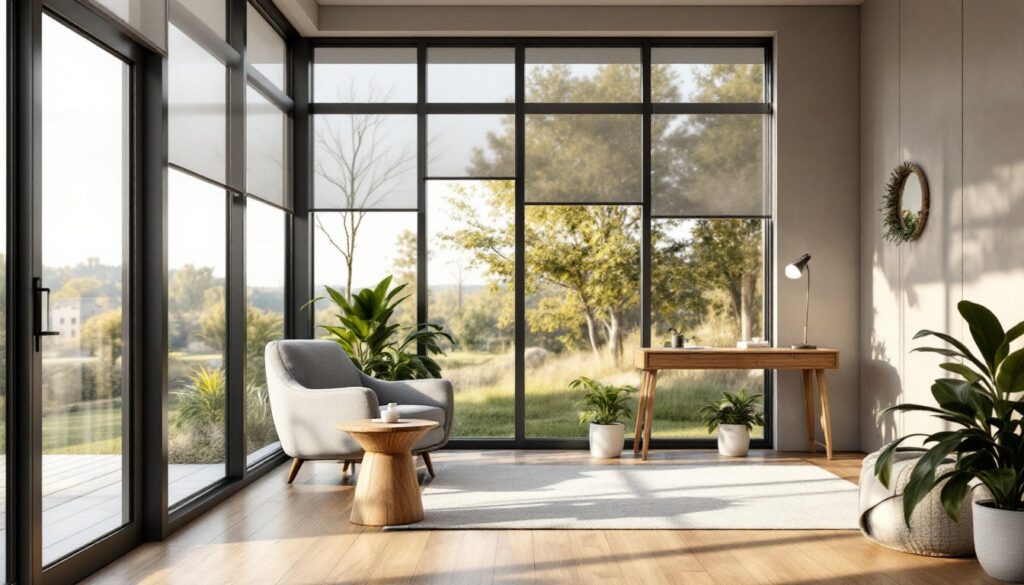
Texture is where Danish design shows personality. While the color palette is restrained, surfaces matter. Rough linen, smooth wood, cool concrete, and soft wool create tactile interest. This layering of textures prevents minimalism from feeling cold. You can find detailed interior design tips that break down how professionals achieve this balance in modern spaces.
Essential Elements: Colors, Materials, and Textures
Color Palette
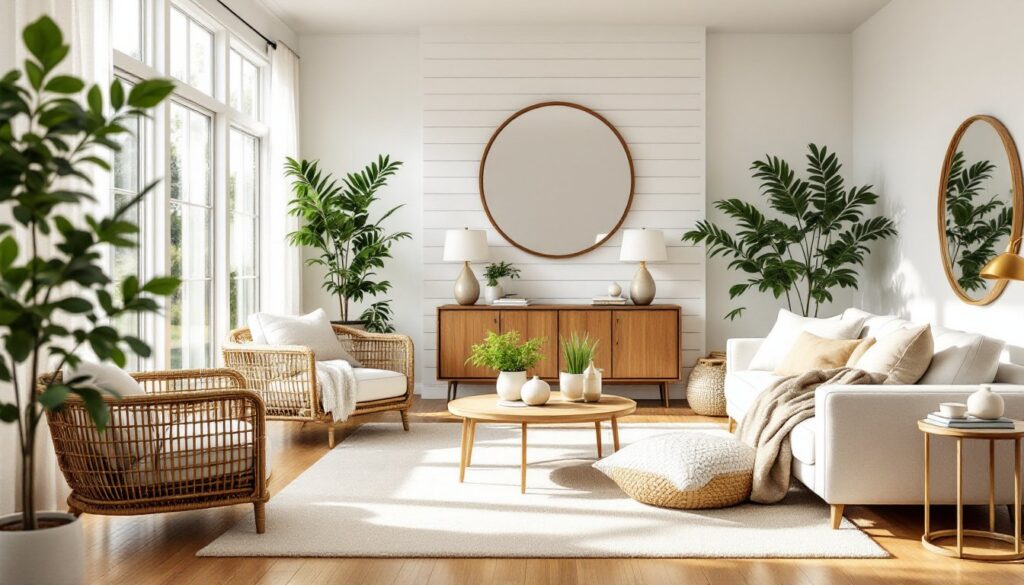
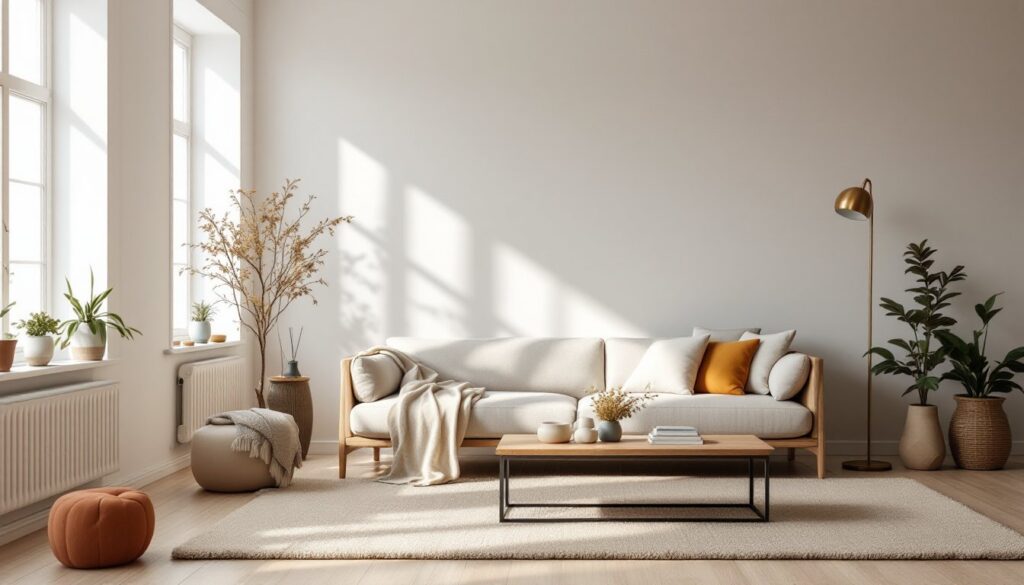
Danish interiors traditionally stick to a neutral foundation: whites, grays, blacks, and natural wood tones. This isn’t boring, it’s strategic. Neutrals create a calm backdrop that lets you breathe and makes small spaces feel larger. Accent colors are used sparingly: a single saturated blue wall, a terracotta ceramic, or a mustard-yellow throw pillow. These pops of color feel intentional rather than chaotic.
Natural Materials
Wood is paramount. Light oak, natural ash, and beech are preferred for flooring and furniture because they warm neutral spaces without overwhelming them. Concrete, stone, and brick are used for texture and durability. Metal accents, brushed brass, steel, or copper, add visual interest without fuss.
Fabrics lean heavily on natural fibers: linen, wool, cotton, and leather. These breathe and age gracefully. Synthetic fabrics are avoided because they don’t align with the longevity philosophy, Danish design assumes your furnishings will outlast trends.
Texture as Design Language
A Danish room might pair a smooth concrete floor with a chunky wool area rug, a leather sofa, and linen curtains. The textures create depth and warmth without visual clutter. This approach works in kitchens too: think matte cabinetry paired with warm wood countertops and brushed-metal hardware.
If you’re exploring how these elements fit into broader design practices, interior design examples show how professionals apply color and texture across different room types.
How to Incorporate Danish Design Into Your Home
Practical Design Tips for Every Room
Start with a Functional Audit
Before buying anything, walk through each room and ask: What does this space need to do? A home office needs focus and minimal distraction. A bedroom needs rest. A kitchen needs efficiency. List the functions, then design to support them. Remove items that don’t serve a function or bring genuine joy. This is the hardest step and the most important.
Plan Your Lighting
Don’t rely on a single ceiling fixture. Install dimmers if possible. Layer in floor lamps in reading corners, under-cabinet lights in kitchens, and pendant lights over dining tables. Soft, warm-toned bulbs (around 2700K color temperature) mimic candlelight and feel hygge-appropriate.
Choose Furniture That Earns Its Place
Look for pieces with clean lines, high functionality, and quality construction. A good wooden dining table, a well-made sofa, and simple storage solutions are investments. Avoid hollow particleboard furniture that wobbles: it conflicts with Danish design’s honest craftsmanship ethos. A furniture guide on Homedit offers detailed breakdowns of durable pieces that align with minimalist aesthetics.
Layer Textures Deliberately
Choose a base texture (smooth concrete, light wood) and build on it. Add a wool rug, linen pillows, and a leather accent chair. Keep the color story tight, maximum two accent colors beyond your neutral base. This restraint is what makes Danish design feel sophisticated rather than bare.
Kitchen and Bathroom Applications
Kitchens benefit from handle-less cabinetry in matte finishes, paired with marble or wood countertops. Open shelving with carefully curated items (not cluttered) adds both function and visual interest. Bathrooms thrive with simple fixtures, natural materials (wood or stone vanities), and good task lighting. These spaces show restraint in the same way living areas do.
Storage Solutions
Clutter is the enemy of Danish design. Invest in built-in shelving, cabinet systems, and closed storage. Everything should have a home. Open shelves work only if what’s displayed is intentional and minimal. A kitchen with visible appliances everywhere reads as chaotic: one with appliances tucked away reads as calm.
Bringing It All Together
Danish design thrives when you approach each room as a whole rather than decorating in silos. Interior design ideas that emphasize cohesion across spaces show how pros unite living areas through consistent material choices and color philosophies. Your hallway, bedroom, and living room don’t need identical décor, but they should feel like they belong to the same home.
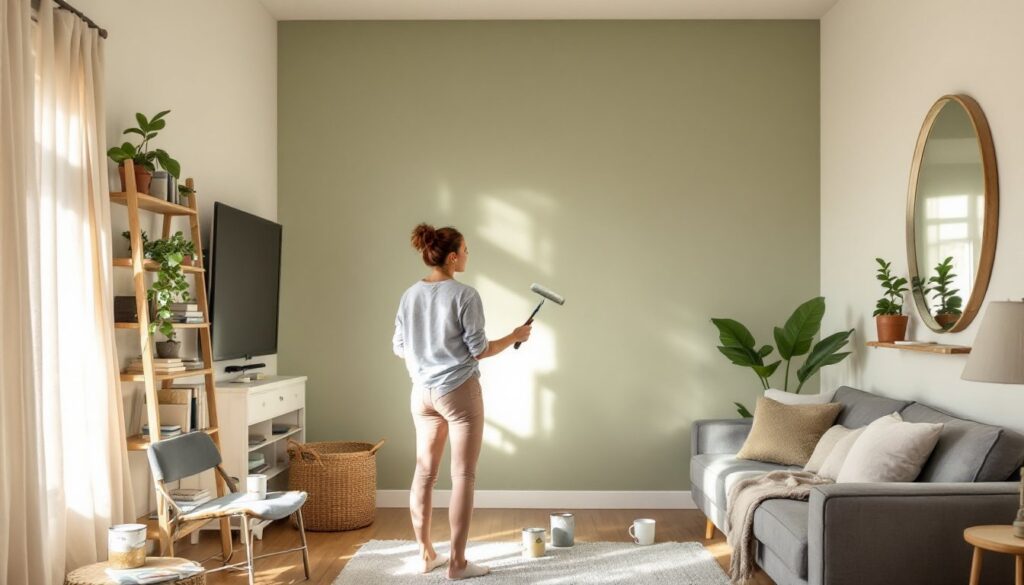
Don’t feel pressured to overhaul everything at once. Danish design works incrementally. Swap one sofa, repaint a wall, add better lighting. Over time, your space becomes more intentional, calmer, and more livable. Resources like design archives on architecture and interior styling provide visual references and case studies that help clarify the aesthetic before you commit to major purchases.
Conclusion
Danish interior design isn’t a trend, it’s a philosophy of living well in the space you have. By embracing function, restraint, and quality materials, you create a home that feels both beautiful and sustainable. Start small, stay intentional, and let your space evolve. The result is a calm, livable home that makes you happy to wake up in it every morning.