

Table of Contents
ToggleHonolulu’s interior design reflects a unique blend of Hawaiian heritage, tropical climate, and island living. Whether you’re renovating a condo in Waikiki or a home in the suburbs, understanding how to adapt mainland design trends to Honolulu’s specific environment makes the difference between a space that looks good in photos and one that actually functions in heat and humidity. This guide walks you through practical strategies for bringing authentic Hawaiian-inspired aesthetics into your home while respecting local design traditions and working with materials that genuinely perform in Honolulu’s climate.
Key Takeaways
- Interior design in Honolulu requires humidity-resistant materials like quartz countertops, sealed concrete, and solution-dyed fabrics that perform better than mainland alternatives in tropical climates.
- Authentic Hawaiian-inspired design incorporates local art, natural materials like koa wood, and cultural elements from regional artisans rather than mass-produced tropical stereotypes.
- Open floor plans with large windows, ceiling fans, and indoor-outdoor living spaces maximize airflow and cooling efficiency while honoring traditional Hawaiian concepts of flowing with nature.
- Semi-gloss and satin paint finishes, soft earth tones, and muted blues create durable, aesthetically pleasing color palettes that resist UV fading and moisture damage in Honolulu’s unique environment.
- Small Honolulu homes benefit from vertical storage, multi-functional furniture, and layered lighting that maximize perceived space while maintaining visual flow and island aesthetics.
Embracing Hawaiian-Inspired Aesthetics and Local Design Influences
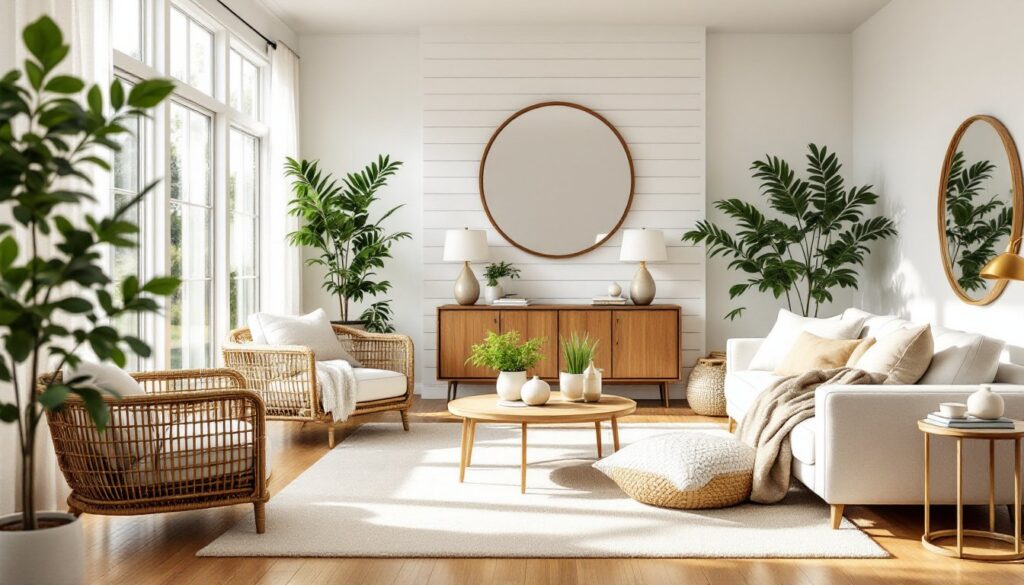
Authentic Hawaiian-inspired interior design starts with understanding the culture behind the aesthetics, not just copying tiki decorations. The foundation rests on natural materials, koa wood, local stone, and native plants, combined with open, airy layouts that honor the islands’ connection to the ocean and landscape.
Incorporate design elements tied to Hawaiian heritage: traditional patterns like lei niho palaoa (whale tooth motifs) or geometric Hawaiian quilt designs work beautifully on throw pillows or wall tapestries without overwhelming a room. These elements tell a story and connect your space to the community around you. Look for artwork from local artisans rather than mass-produced tropical prints.
Open floor plans and minimal interior walls reflect the traditional Hawaiian concept of hale, houses designed to flow with nature and trade winds. If your home has enclosed rooms, consider opening sightlines where structurally possible. Remove non-load-bearing walls only after checking with a contractor or engineer: this is structural work that may require permits. Even in smaller homes, maximizing visual flow creates that spacious island feel.
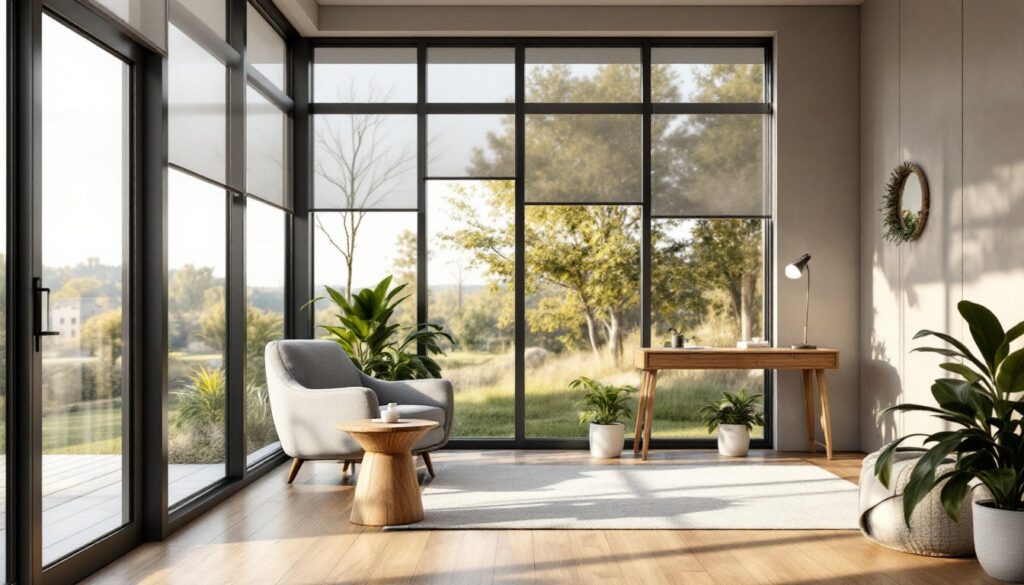
Natural light is your friend. Large windows and minimal heavy drapes let sunlight flood interiors while maintaining the connection to the outdoor environment. Use lightweight linen or sheer fabrics instead of dense curtains, or install ceiling fans to improve air circulation without fully blocking views. This approach also reduces cooling costs, a practical benefit in Honolulu’s heat.
Color Palettes and Materials That Thrive in Honolulu’s Climate
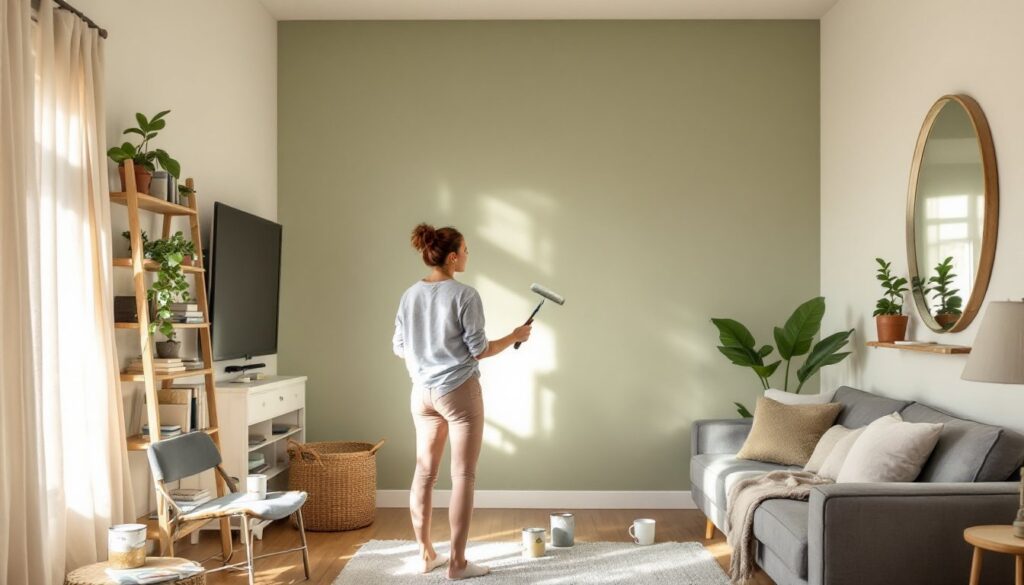
Honolulu’s humidity and salt air demand smart material choices. The same paint finish that performs beautifully in Arizona will fail within months here. Choose semi-gloss or satin finishes for interior walls in bathrooms and kitchens, they resist moisture far better than flat finishes and wipe clean easily. For living areas, eggshell finish offers a good compromise between durability and aesthetics.
Color-wise, soft earth tones, whites, creams, and muted blues ground Hawaiian-inspired spaces without looking dated. Accent walls in deeper blues or greens reference the ocean and forests surrounding the islands. These colors naturally photograph well and won’t demand repainting every few years due to UV fading, unlike some saturated brights.
Materials matter enormously. Concrete or light tile flooring handles humidity better than wood, especially in kitchens and bathrooms. If you want the warmth of wood, consider luxury vinyl plank (LVP) with a matte finish, it resists moisture, feels pleasant underfoot, and requires less maintenance than real hardwood in this climate. For countertops, quartz or sealed concrete are superior to granite, which can be porous and susceptible to staining in humid environments.
Choosing Humidity-Resistant Fabrics and Finishes
Upholstered furniture requires special attention in Honolulu. Mildew and mold thrive in damp climates, so select fabrics labeled solution-dyed or treated with antimicrobial finishes. Olefin (polypropylene) and solution-dyed polyester resist moisture better than natural fabrics like cotton or linen in the upholstery context. Leather is another option if you commit to occasional conditioning.
For window treatments, avoid fabric that stays constantly damp. Roller shades with PVC backing or moisture-resistant cellular shades are more practical than heavy velvet drapes in bedrooms. Woven wood shades look attractive but require regular maintenance in humidity and can develop mold if light and air don’t reach them.
Cabinets and millwork should use marine-grade plywood or solid woods treated with quality finishes. Standard plywood delaminates when exposed to moisture swings. Pay the extra cost upfront: replacement is far more expensive. Finish all edges and seams with epoxy or marine sealant to prevent water infiltration. Paint baseboards and trim with semi-gloss rather than flat, easier to wipe down and more resistant to moisture wicking.
Bringing the Outdoors In: Indoor-Outdoor Living Spaces
Honolulu’s year-round pleasant weather makes indoor-outdoor living less a luxury and more a practical lifestyle standard. Design your interior with this integration in mind from the start.
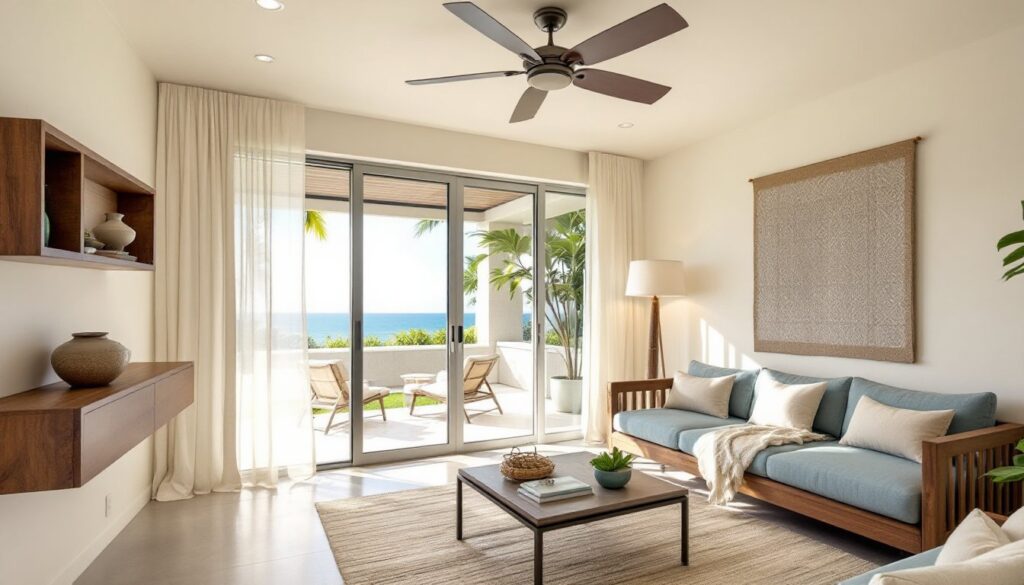
Large sliding glass doors or bi-fold doors connecting living areas to lanais (Hawaii’s term for covered lanais or patios) blur the boundary between inside and out. These openings need to be thermally efficient to manage cooling costs, look for doors with low-E coatings and insulated frames rated for tropical climates. Even modest openings dramatically change how a space feels.
When your interior opens to an exterior space, coordinate color schemes and materials to create visual continuity. If your living room features warm concrete tones, carry that palette onto the lanai with matching or complementary outdoor furniture finishes. This unifies the spaces and makes the home feel larger.
Ventilation matters tremendously. Ceiling fans move air without relying solely on air conditioning, reducing energy bills and creating natural cooling that residents actually prefer. Install fans throughout the home, bedrooms, living areas, even kitchens. They’re inexpensive additions (typically $100–300 per unit including installation) that pay dividends in comfort and utility savings.
Native plants on windowsills or in planters scattered throughout connect the interior to Honolulu’s natural environment. ʻōhiʻa lehua, naupaka, and ʻūkali (necklace pod) are resilient island plants that thrive indoors with minimal care. These plantings also improve air quality and add organic texture without requiring outdoor space.
Sourcing Local Art, Decor, and Design Elements in Honolulu
One significant difference between mass-market design and authentic Honolulu interiors is the presence of local art and handcrafted decor. Supporting local artisans enriches your space and strengthens the community.
Honolulu’s art scene includes working studios in neighborhoods like Kaimuki and Manoa. Artists create paintings, sculptures, and functional pieces, everything from ceramic tiles to wooden bowls, that reflect genuine Hawaiian culture rather than tourist stereotypes. Visit galleries in Honolulu’s downtown arts district or browse artist websites and Instagram profiles. Original art costs more than prints, but one meaningful piece transforms a room’s character far more than ten generic decorations.
For decor, source items from local makers: wooden serving boards carved by local craftspeople, woven baskets from regional artisans, or jewelry displayed as wall art. Kapa (Hawaiian bark cloth) tapestries, whether antique or newly made, add authentic texture and cultural depth. Online platforms focused on Hawaiian makers make sourcing easier if visiting galleries isn’t practical.
Furniture crafted from locally-available materials like koa wood commands premium prices but lasts generations. If budget is tight, a single koa accent piece, a side table, shelf unit, or decorative box, anchors a room’s Honolulu identity without requiring a full furniture overhaul. Most local woodworkers offer custom work and can adapt designs to your space’s needs.
Practical Design Tips for Smaller Honolulu Homes
Many Honolulu homes, especially condos and older residential neighborhoods, are compact by mainland standards. Maximize function and perceived space through intentional design choices.
Vertical storage is non-negotiable. Use floor-to-ceiling shelving on one wall for books, plants, and display items. Open shelving looks less heavy than cabinets and maintains visual flow in small rooms. Floating shelves (properly anchored to wall studs with appropriate hardware) add storage without consuming floor space. A shelving unit behind a sofa or bed divides the room and provides storage without a dedicated wall.
Multi-functional furniture performs double duty in tight quarters. An ottoman with hidden storage handles extra blankets or seasonal items. Console tables behind sofas provide surface space without consuming central room area. Nesting tables can expand when needed and collapse when they don’t. These choices free up floor space and keep sightlines open.
Mirrors reflect light and create the illusion of space. Position large mirrors opposite windows to bounce natural light deeper into rooms. Avoid small, heavily-framed mirrors: one large unframed or minimally-framed mirror does more work.
Fresh interior design tips adapted to your specific room size and layout transform how spaces function. Keep color palettes simple, too many colors visually fragment small rooms. Stick to two primary colors plus neutrals. Use the same flooring material throughout adjacent spaces: transitions create invisible visual “walls” that shrink perceived space.
Lighting is critical in smaller homes. Layer lighting: overhead fixtures for general illumination, task lighting for reading or cooking, and accent lighting (wall sconces, under-shelf LEDs) for ambiance. This flexibility allows residents to adjust atmosphere without adding permanent fixtures. LED bulbs reduce heat and electricity use, meaningful in Honolulu’s climate.
Conclusion
Interior design in Honolulu succeeds when it respects local culture, acknowledges climate realities, and prioritizes function alongside aesthetics. Invest in humidity-resistant materials, embrace open layouts that flow with the environment, and source art and decor from local creators who understand island living. Whether renovating a small condo or a family home, these principles create spaces that look authentically Hawaiian and actually perform year-round in the islands’ unique climate.