

Table of Contents
ToggleLine is one of the foundational elements of interior design, yet many homeowners overlook its power to shape a room’s character and flow. Whether it’s the clean edge of a baseboards, the sweep of an arched doorway, or the rhythm created by wall paneling, lines are everywhere, and they’re working harder than you might think. Understanding line definition in interior design means recognizing how these invisible guides direct your eye, create movement, and establish mood. When you learn to harness lines intentionally, you unlock a design tool that costs nothing but transforms everything. In 2026, smart homeowners are using line strategically to make spaces feel larger, cozier, more sophisticated, or energized, depending on what the room needs.
Key Takeaways
- Line definition in interior design uses edges, transitions, and architectural features to organize space, create rhythm, and evoke emotional responses without costly renovations.
- Horizontal lines create calm and stability, vertical lines suggest strength and height, while diagonal and curved lines introduce energy and softness to transform your room’s character.
- Strategic line placement balances visual weight—too many competing lines feel chaotic, while too few create boredom; the goal is intentional arrangement that supports your room’s purpose.
- Curved lines soften rigid rectangular rooms and feel organic and welcoming, making them ideal for bedrooms and living spaces that need to cultivate comfort.
- Audit your space’s existing lines, identify your desired mood, then introduce lines strategically through paint, furniture arrangement, and decor layering to achieve the emotional temperature your space needs.
What Is Line in Interior Design?
In interior design, a line is any element that has length and direction, it’s a visual path that your eye naturally follows through a space. Lines aren’t just drawn or painted: they’re created by edges, transitions, architectural features, and even the arrangement of furniture and decor. Think of a line as invisible scaffolding that organizes visual information and guides movement.
Lines serve three key functions in a room. First, they organize space by dividing areas visually without needing walls. Second, they create rhythm and repetition, which the brain finds satisfying and coherent. Third, they evoke emotional responses: a horizontal line feels calm and grounded, while a vertical line suggests strength and formality. When you’re learning to design your space, recognizing where lines already exist, and where you can introduce new ones, is the difference between a room that feels haphazard and one that feels intentional.
Line definition also ties directly to proportion and balance. A room with too many competing lines feels chaotic: one with too few feels flat and dull. The goal is intentional placement that supports your room’s purpose and reflects your personal style.
Types of Lines and Their Visual Effects
Horizontal, Vertical, and Diagonal Lines
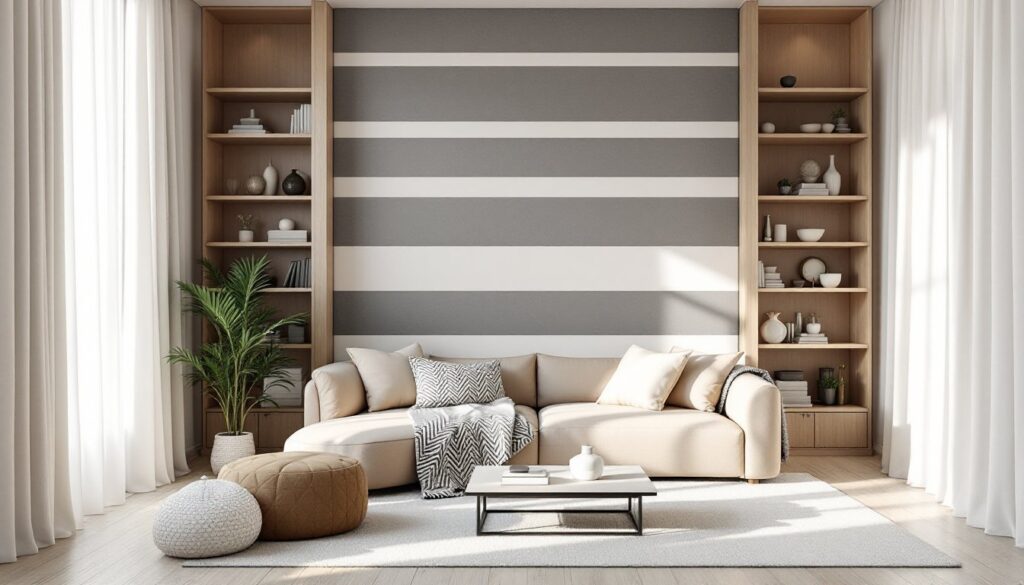
Horizontal lines run left to right and create a sense of stability, rest, and calm. Picture a simple shelf, a stripe painted across a wall, or the sight line created by a bed’s headboard. These lines make spaces feel wider and more relaxed, which is why horizontal stripes are popular in living rooms and bedrooms. They also mimic the horizon, which our brains instinctively associate with safety and peace.
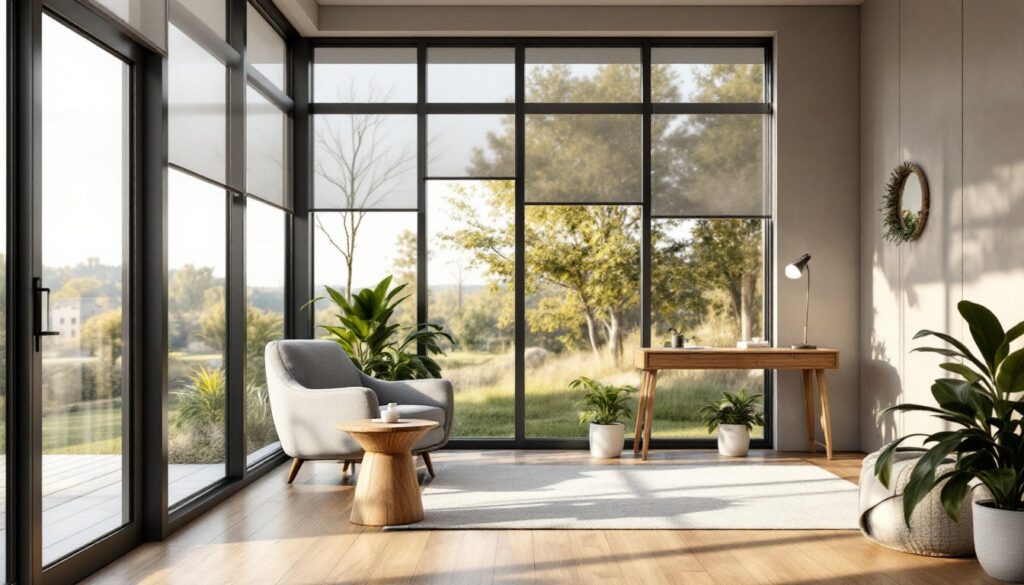
Vertical lines travel up and down and evoke formality, strength, and height. Crown molding, tall bookcases, floor-to-ceiling curtains, and paneled wainscoting all emphasize vertical lines. Designers use them to draw the eye upward, which makes a room feel taller, especially useful in homes with standard 8-foot ceilings. Vertical elements also create a sense of order and authority, so they work well in formal dining rooms, home offices, and entryways.
Diagonal lines move at an angle and introduce energy, movement, and tension. A diagonal stripe, a staircase, or furniture arranged on an angle creates visual excitement and breaks predictability. Diagonals are more dynamic than horizontal or vertical lines, so use them sparingly. Interior Design Tips to Transform Your Living Space explain that a few well-placed diagonal elements add sophistication without overwhelming the space. They’re great for modern, eclectic, or transitional designs where you want to avoid feeling too formal or stiff.
Curved and Zigzag Lines
Curved lines soften a space and suggest flow, grace, and movement. An arched doorway, a curved sofa, rounded edges on furniture, or flowing drapery all introduce curves that break the rigidity of a rectangular room. Curves feel organic and welcoming, which is why they’re often used in bedrooms, living spaces, and anywhere you want to cultivate comfort. Think of how a round dining table encourages conversation compared to a rectangular one, curves change the emotional temperature of a room.
Zigzag lines (also called broken or jagged lines) create rhythm, complexity, and visual interest. Herringbone flooring, chevron patterns, abstract wall art, and staggered shelving all use zigzag principles. These lines feel contemporary and playful, making them ideal for accent walls, entryways, or rooms where you want personality to shine. They’re busier than curved or straight lines, so balance them with solid, simple elements to avoid sensory overload.
When you combine different line types thoughtfully, a room starts to feel layered and intentional. For example, a modern bedroom might use horizontal stripes on bedding, vertical elements in the form of tall nightstands, and curved lines in a statement mirror. How To Interior Design: offers practical strategies for balancing these elements without overthinking the process.
How to Use Lines to Transform Your Space
Start by auditing the lines already present in your room. Walk in and notice the edges created by walls, windows, doorways, flooring transitions, and built-in features. Are there too many competing directions, or does the space feel static? This baseline awareness is your starting point.
Next, identify your room’s purpose and desired mood. A home office benefits from vertical lines that suggest focus and authority: a casual family room works better with a mix of horizontal and curved lines that encourage relaxation. Interior Design Guide: Essential Principles for Creating Beautiful Spaces emphasizes that good design starts with intention, not decoration. Ask yourself: Does this space need to feel energized or calm? More spacious or cozier? More formal or laid-back?
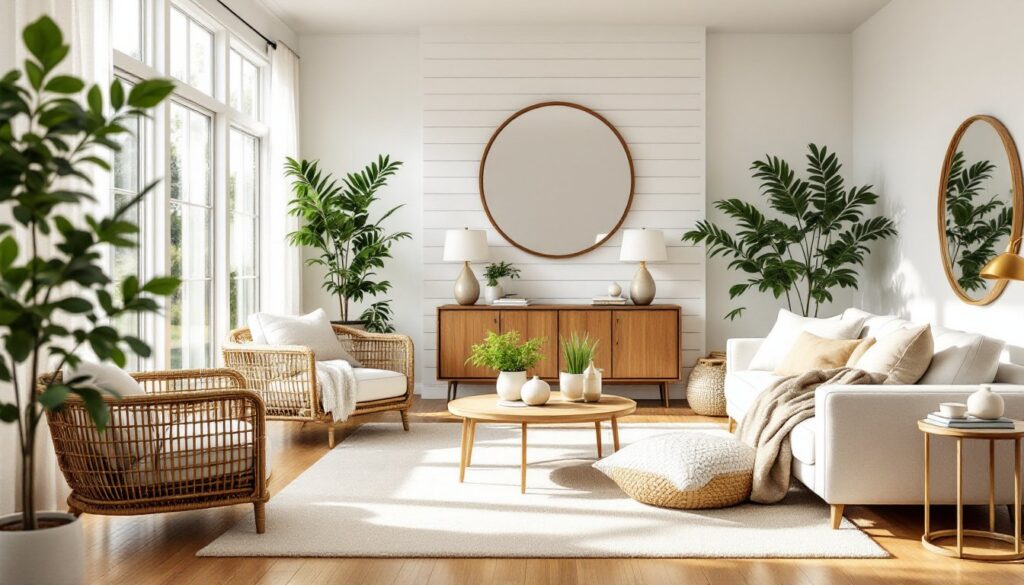
Then, introduce lines strategically through architectural elements, decor, and furniture arrangement. Paint a horizontal stripe accent wall: hang floor-to-ceiling curtains: arrange furniture on a slight diagonal: add open shelving with vertical emphasis. Paint trim and baseboards in contrasting colors to emphasize architectural lines. Layer patterns thoughtfully, a herringbone throw over a horizontal striped sofa works: repeating the same zigzag pattern on walls, rugs, and pillows becomes visual noise.
Proportionality matters. Horizontal stripes feel different when they’re 3 inches wide versus 12 inches wide. Vertical elements create more impact when they’re grouped, three tall vases feel stronger than one. Designers drawing inspiration from contemporary sources often reference the principles outlined on Dwell, which showcases how modern spaces balance line and space effectively.
Finally, remember that negative space (the “empty” areas between lines and objects) is just as important as the lines themselves. Too many lines compete for attention: too few create boredom. The sweet spot is when lines guide your eye naturally and make the room feel organized without fussy. Interior Design for Beginners: walks through real examples of how simple line adjustments, like switching from a thick, horizontal shelving unit to vertical built-ins, can completely shift a room’s personality.
One practical tip: stand in your space and squint. Your eye will naturally follow the strongest lines: if they’re creating the mood you want, you’re on track. If not, consider adding or adjusting line elements to redirect visual flow.
Conclusion
Line is a design element that works quietly but powerfully, shaping how we move through and feel within a space. By understanding the difference between horizontal calm, vertical strength, and diagonal energy, you gain the ability to intentionally craft rooms that support your lifestyle. Whether you’re starting from scratch or refreshing an existing space, paying attention to line definition elevates your design choices and creates cohesion. The best part is that lines cost nothing to introduce, they’re about being intentional with what you already have and layering in simple elements that guide the eye. Master this essential design element, and your home will reflect thoughtful, purposeful design.