

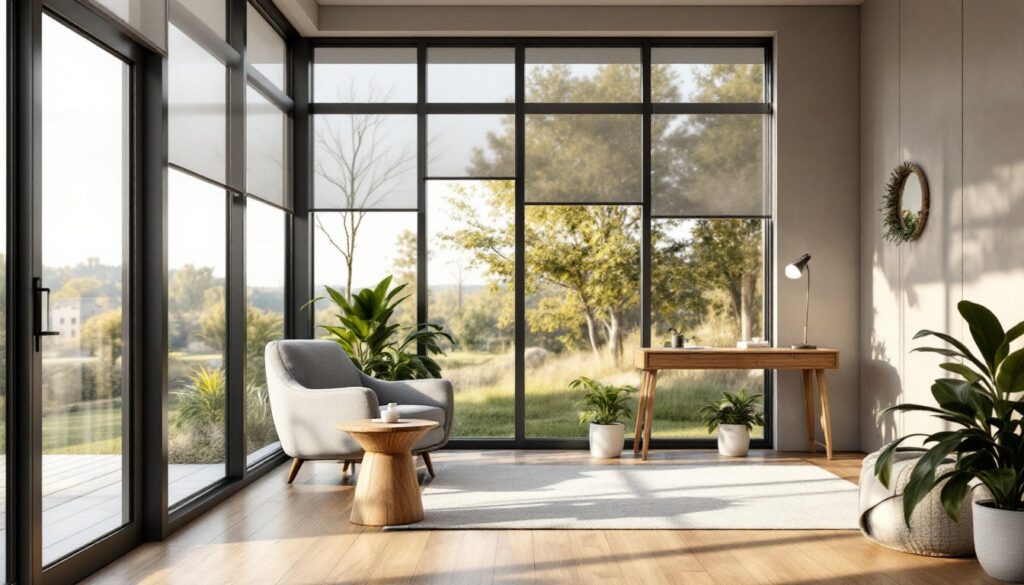
Table of Contents
ToggleDesigning a medical spa interior requires balancing clinical functionality with genuine comfort and tranquility. Unlike a standard spa or doctor’s office, a medical spa operates in a unique space where patients expect both professional expertise and a healing atmosphere. The right medical spa interior design combines calming aesthetics, practical layout, and materials that withstand constant sanitization while making visitors feel like they’ve stepped into a sanctuary. This guide walks through the core design principles that transform a clinical space into a wellness retreat where patients feel at ease before, during, and after treatments.
Key Takeaways
- Medical spa interior design successfully merges clinical functionality with hospitality warmth, creating spaces where patients experience both professional care and healing tranquility.
- Warm, neutral color palettes combined with soft accent colors like sage green and taupe directly reduce stress and lower perceived pain in patients receiving treatments.
- Lighting design must use dimmable LED fixtures between 2700K–3000K with high color accuracy to balance mood with task visibility and avoid institutional-feeling harsh overhead lighting.
- Flooring materials like polished concrete, luxury vinyl plank, or commercial-grade porcelain tile withstand frequent sanitization while radiant heating underfoot enhances patient comfort during treatments.
- Private treatment rooms require 120–150 square feet of space with visual and acoustic privacy, positioned away from doorways to create intimate micro-retreats that feel exclusive rather than clinical.
- Furniture selection prioritizing performance fabrics, clean lines, and thoughtful layout supporting efficient patient flow transforms the overall experience while maintaining durability in a high-traffic medical spa environment.
Understanding Medical Spa Design Principles
Medical spa interior design operates on principles that merge healthcare standards with hospitality warmth. The space must support strict infection control and safety protocols while remaining inviting and serene. Unlike purely clinical environments, medical spas prioritize patient psychology, the visual and sensory experience matters as much as sterilization. Core principles include maintaining clear wayfinding so patients navigate confidently, creating buffer zones between clinical and reception areas, and designing private treatment rooms that feel exclusive rather than institutional. Accessibility matters too: ensure doorways accommodate mobility devices, hallways support walkers, and restrooms meet ADA standards. The best medical spa interiors feel intentional at every corner, never cluttered or sterile-looking. Think of it as designing a high-end hotel lobby that happens to have medical equipment on-site.
Color Palettes That Promote Healing and Relaxation
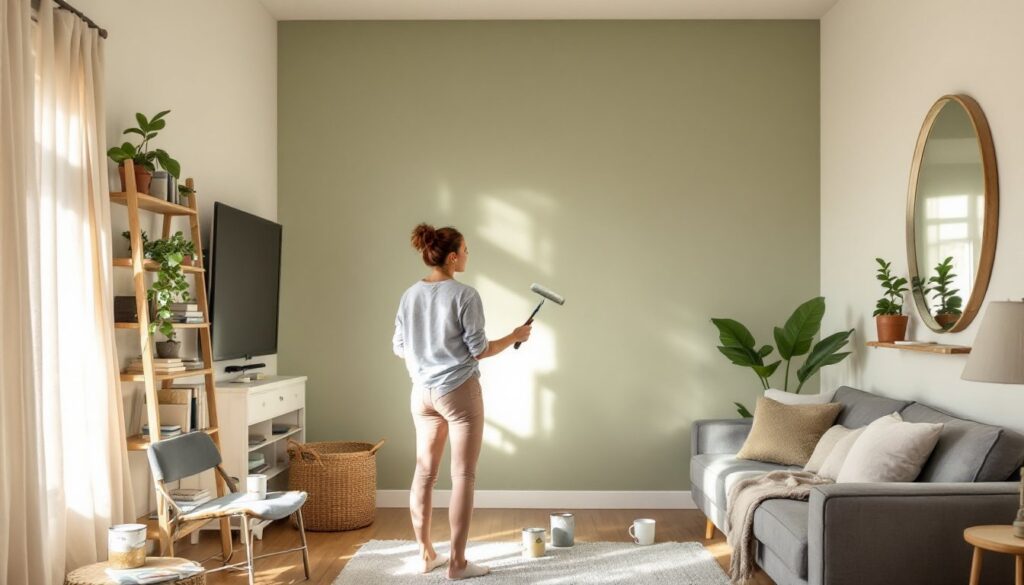
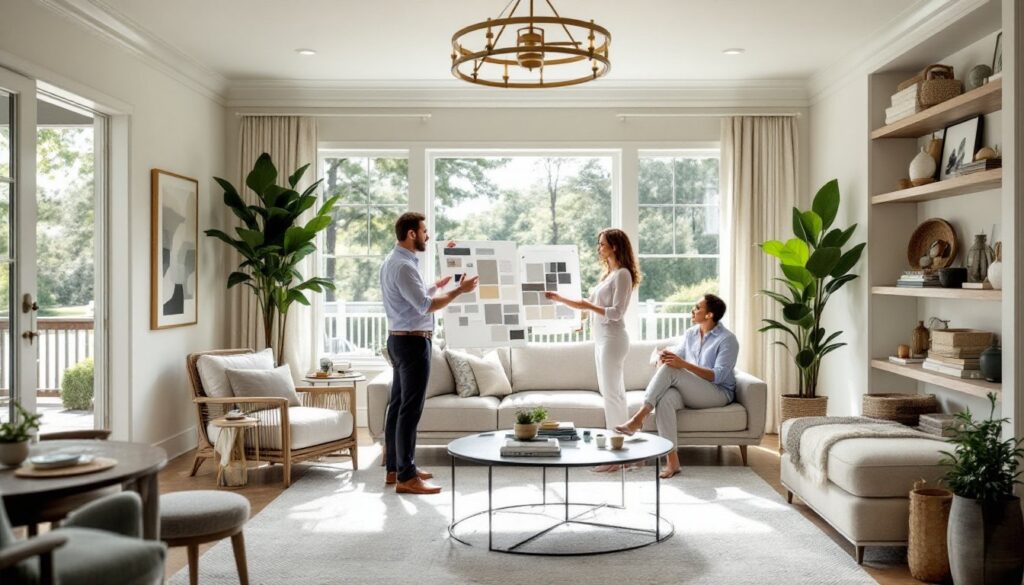
Color selection in medical spa design directly influences patient mood and perceived healing. Soft, neutral tones like warm whites, light grays, and muted beiges form the foundation: these feel clean without triggering clinical anxiety. Layer in accent colors strategically, pale blues, soft sage greens, and warm taupes encourage calm and promote parasympathetic nervous system activation. Avoid stark whites, which feel institutional, and steer clear of bold accent colors in main patient areas: reserve those for smaller focal points like artwork or accent walls in private waiting zones. Many successful medical spas employ earth tones paired with soft greens because research shows these colors reduce stress and lower perceived pain. When selecting paint, use high-quality, low-VOC formulations (like zero-VOC premium finishes) that won’t off-gas in an enclosed wellness space. Consider matte or eggshell finishes rather than glossy ones: they’re easier to sanitize and feel less clinical. Recent Interior Design Tips show how color psychology directly impacts how patients experience medical environments.
Lighting Design for Comfort and Functionality
Lighting in medical spa design must balance mood with task visibility. Overhead fluorescent or harsh LED panels destroy the calm atmosphere: instead, use dimmable recessed LED fixtures with a color temperature between 2700K and 3000K (warm white) as primary ambient light. Supplement with indirect wall sconces and accent lighting that creates visual interest without glare. In treatment rooms, design a two-tier system: soft ambient lighting for general comfort and brighter, shadow-free task lighting above treatment tables. Skylights or light wells reduce dependence on artificial light and boost mood, though ensure they include blackout shades for light-sensitive treatments. Avoid placing bright lights directly above patient faces: side lighting and uplighting feel more welcoming. Invest in quality color-accurate bulbs (95+ CRI) so skin tones look natural under the lights, this builds confidence in the space and the provider. Install dimmers in all patient-facing areas so staff can adjust ambiance based on treatment type and patient preference. Harsh lighting undermines even the best color palette and furniture choices.
Flooring and Materials for Durability and Aesthetics
Medical spa flooring endures heavy foot traffic, frequent cleaning with harsh sanitizers, and occasional spills. Polished concrete with sealant, luxury vinyl plank (LVP), or porcelain tile rated for commercial use all work well. Avoid natural stone like marble or travertine in high-traffic areas: they stain easily and chip under wheeled equipment. If you want the look of stone, porcelain-look LVP or glazed ceramic tile mimics it durably and feels warmer underfoot than cold tile. Include radiant floor heating under tile or concrete in treatment areas, patients appreciate warm floors when barefoot or in minimal clothing. Use natural fiber area rugs (sisal, jute) in waiting areas to soften the space acoustically and visually: these are durable and easily replaceable. In contrast, carpet in clinical spaces traps pathogens and stains, so avoid it in treatment rooms and hallways. All flooring must allow seamless drainage and sanitization. Grout lines should be sealed and minimal. Matte or slightly textured finishes prevent slipping when wet and hide footprints better than high-gloss finishes. Recent trends emphasize sustainable materials, consider FSC-certified wood accents (in non-clinical areas only) or recycled-content LVP to align with modern wellness values.
Creating Private Treatment Spaces
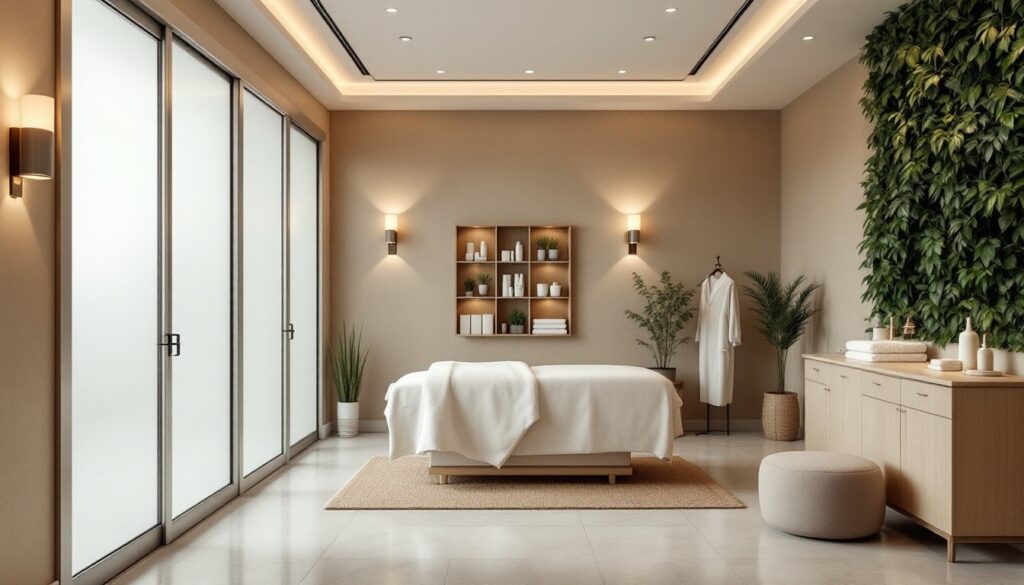
Private treatment rooms are the heart of medical spa design. Each room needs visual privacy (opaque doors or heavy curtains), acoustic privacy (sound-absorbing panels or insulation between walls), and a calm focal point like a window view, nature photography, or a living green wall. Size the room generously, cramped spaces feel claustrophobic. Aim for at least 120–150 square feet for a treatment suite, with additional space for an adjacent vanity or prep area. Install recessed shelving instead of open cabinets for a cleaner look: this reduces visual clutter and simplifies sanitization. Position the treatment table away from the door’s sightline so arriving patients don’t immediately see equipment. Ambient music systems with nature sounds or curated playlists enhance the environment: ensure speakers are ceiling-mounted and controls are remote. Lighting should be dimmable, and the room should feature a small side table for patient belongings and a chair or ottoman for companions if the design allows. Finish materials must be wipeable and non-porous, avoid fabric wallcoverings. Soft, warm-toned paint and one accent element (like a textured feature wall) prevent the space from feeling sterile. Guests experience treatment spaces as intimate micro-retreats, so every detail counts.
Furniture and Layout That Enhance Patient Experience
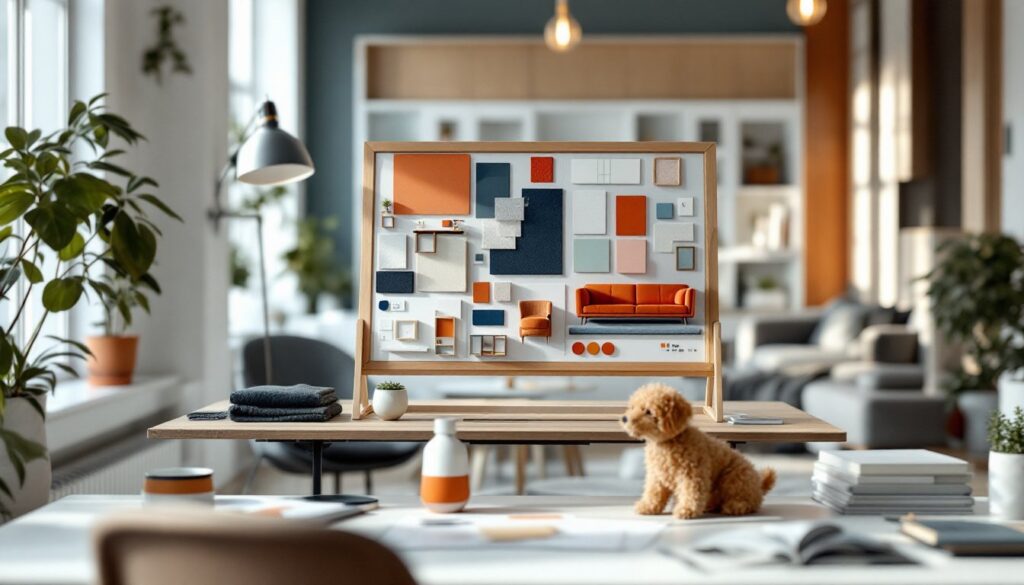
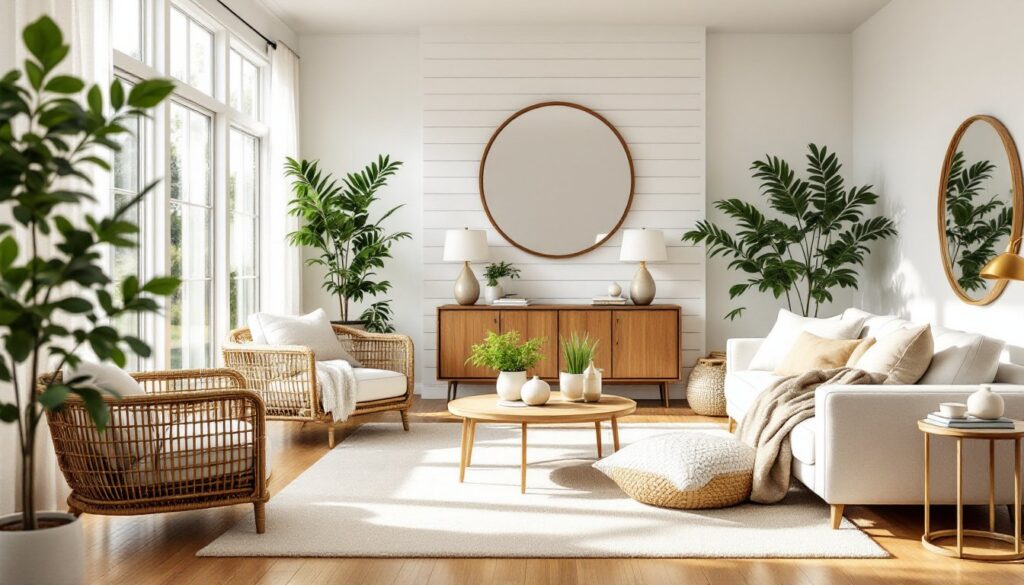
Furniture in medical spas walks a tightrope between comfort and durability. Reception seating should be firm, supportive, and upholstered in performance fabric (microfiber or solution-dyed synthetics) that resists staining and cleans easily. Avoid soft sectionals: they look homey but trap bacteria and wear quickly. Invest in a few statement pieces, a well-proportioned credenza, side tables with clean lines, and warm wood or metal accents, rather than filling space with filler furniture. Layout must support efficient patient flow: direct arrivals to reception, then guide them through a waiting area, toward consultation or treatment zones. Avoid long hallways that feel institutional: instead, use curved walls, nooks, or varied ceiling heights to create movement and visual interest. Staff stations should be visible but set back from the patient path, maintaining the calm feeling. Incorporate nature elements through thoughtful design, living plants (low-maintenance varieties like pothos or snake plants thrive indoors), stone accents, or water features soften the clinical edge. Position furniture to encourage a relaxed posture and avoid sharp corners or industrial-looking pieces. A comfortable, well-lit reading nook with current magazines or digital displays keeps waiting patients engaged without anxiety. Examples from hospitality environments, boutique hotels and wellness retreats, offer strong inspiration for furniture selection and room planning. Don’t overlook acoustic comfort: soft finishes and sound-absorbing panels prevent echoey, stressful environments.
Conclusion
Medical spa interior design succeeds when it prioritizes patient peace of mind alongside clinical excellence. Balance calm color palettes with task-focused lighting, choose durable materials that sanitize easily, and layout rooms to support both efficient operations and guest comfort. The best wellness spaces feel intentional and warm, never institutional or rushed. Whether you’re renovating an existing clinic or designing from scratch, these principles, informed by both healthcare standards and hospitality warmth, create an environment where patients genuinely want to return.