

Table of Contents
ToggleGood interior design doesn’t require a decorator’s budget or a magazine spread, it requires intention. Whether you’re refreshing a single room or overhauling your entire home, the practical principles behind thoughtful design transform how you actually live in your space. This guide walks you through seven actionable interior design tips that work across any room, style, and budget. You’ll learn to make smarter choices about color, furniture placement, lighting, and materials. These aren’t rules carved in stone: they’re proven strategies that help rooms feel intentional, balanced, and genuinely livable.
Key Takeaways
- Master the 60-30-10 color rule—use a dominant color for 60% of your space, a secondary color for 30%, and an accent color for 10% to create balanced, intentional rooms.
- Layer your lighting into three types (ambient, task, and accent) and use dimmers with warm white bulbs (2700K) to create welcoming, flexible spaces that adapt throughout the day.
- Invest in fewer, higher-quality furnishings like sofas, beds, and dining tables over multiple cheap pieces, as durability and daily comfort outweigh trendy quantity.
- Mix textures and materials—leather with knit, metal with wood, matte with glossy—to add visual depth and richness without overwhelming the space.
- Interior design tips succeed when you float furniture to create functional zones, define spaces with rugs and strategic placement, and leave proper gaps for comfortable traffic flow.
- Personalize your room with meaningful decor like family photos, artwork, and plants arranged with intention, turning a designed space into a home that reflects who actually lives there.
Master Color Theory for Maximum Impact
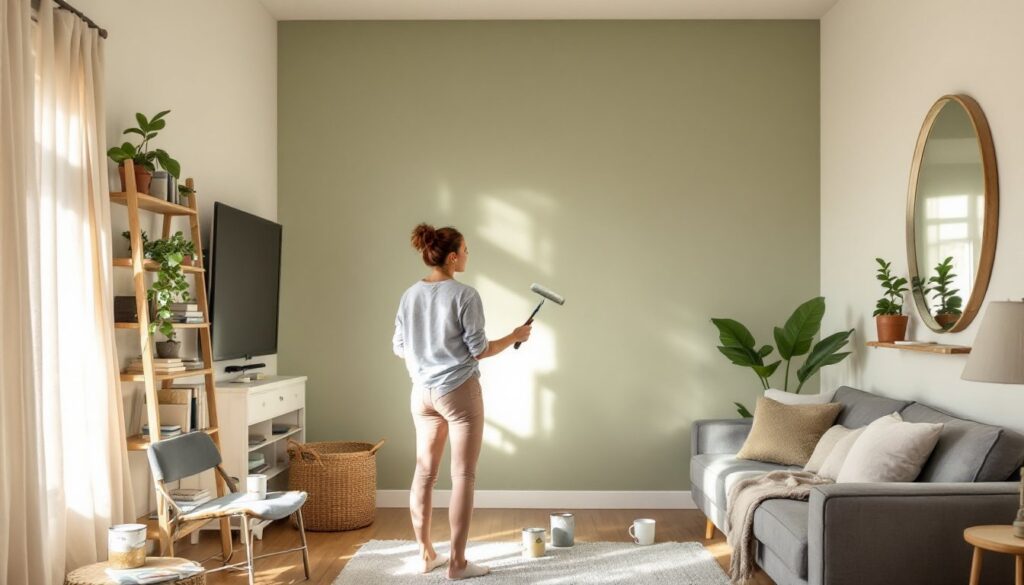
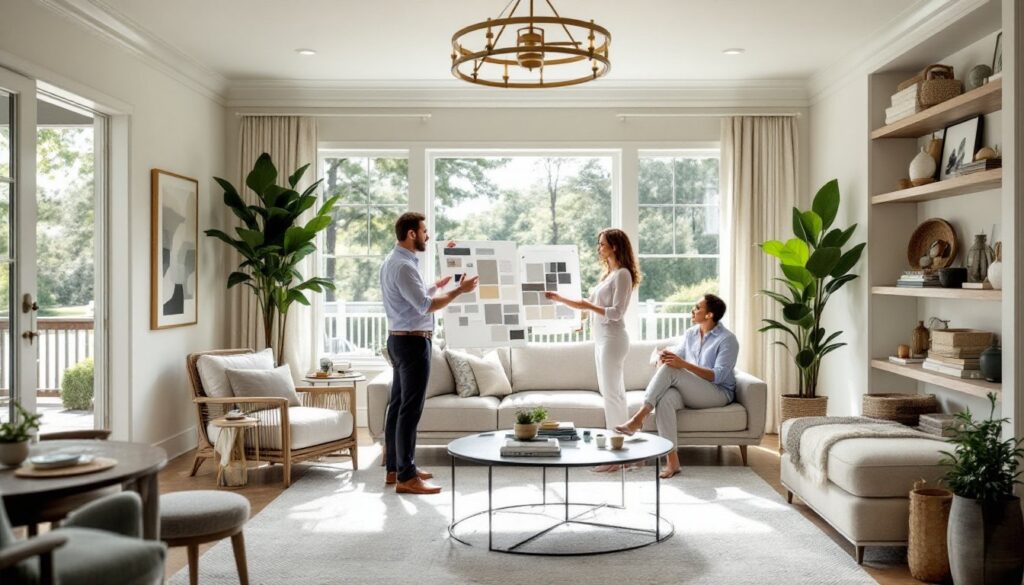
Color is the fastest way to shift a room’s mood, and understanding basic color theory saves you from expensive mistakes. Start by choosing a dominant color, typically 60% of the wall and large furniture pieces. Add a secondary color (30%) for accents like throw pillows or artwork. Finish with an accent color (10%) that draws the eye and prevents blandness.
Neutral walls expand a small room and provide a canvas for accessories, while bold wall colors make larger spaces feel cozier and more dramatic. If you’re unsure, test paint chips on your actual walls at different times of day, lighting changes everything. A soft gray might look sterile under fluorescent kitchen lights but warm and inviting under warm incandescent bulbs. Warm colors (reds, oranges, yellows) energize a space: cool colors (blues, greens, purples) calm and soothe. Consider how you want to feel when you enter a room, then let color support that intention. The undertone matters more than the color name: a gray with warm undertones pairs differently than a cool gray, so compare samples side by side.
Create Functional Zones With Strategic Furniture Placement
Furniture arrangement defines how a room functions, not just how it looks. Start by identifying the room’s focal point, a fireplace, window, or accent wall, and arrange seating to orient toward it. Avoid pushing all furniture to the walls: floating a sofa in the middle of a large room creates intimacy and conversation-friendly zones.
In open-plan spaces, use furniture and area rugs to define separate zones without walls. A dining table with a rug underneath signals the dining zone: a sofa with a side table and lamp marks the living area. Measure doorways and hallways before moving anything, you need at least 18 inches of clearance for comfortable foot traffic. Leave gaps between pieces: cramped furniture makes a room feel chaotic regardless of how clean it is. Group occasional chairs and a small table to create a reading nook in a corner. The best interior design balances openness with defined purpose, so each area serves a clear function.
Layer Your Lighting for Ambiance and Usability
Single overhead lighting creates harsh shadows and a flat, uninviting feel. Instead, layer three types: ambient (general room light from ceiling or walls), task (focused light for reading or cooking), and accent (highlighting artwork or architectural features).
Ambient lighting comes from overhead fixtures, recessed lights, or wall sconces. Task lighting should sit at eye level when seated, a table lamp beside a chair, pendant lights above a desk, or under-cabinet lighting in a kitchen. Accent lighting, like picture lights or LED strip lights behind shelving, adds depth and sophistication. Dimmers on ambient lights let you adjust mood throughout the day: bright for morning tasks, dimmed for evening relaxation. Avoid harsh white bulbs (5000K color temperature) in living spaces, opt for warm white (2700K) to match sunset and make spaces feel welcoming. Smart bulbs let you adjust color temperature and brightness without replacing fixtures. Recent interior design trends emphasize layered, flexible lighting as central to modern home comfort.
Choose Quality Furnishings Over Quantity
A room crowded with cheap pieces feels cluttered and worn within months. Instead, invest in fewer, better-quality core pieces, a sofa you’ll sit on daily, a dining table that seats your actual family, a bed frame and mattress that support real sleep. These carry their weight in daily life, so durability and comfort matter more than trends.
Quality doesn’t always mean expensive: solid wood or plywood construction outlasts particleboard: hardwood or quality veneers age better than veneer over cheap cores. Test upholstery by pressing your hand, high-density foam springs back: cheap foam stays compressed. When budget is tight, splurge on seating and mattresses (you live in them) and save on side tables and shelving. A single statement piece, a vintage credenza, a leather wingback chair, or a well-made dining table, anchors a room better than five mediocre items. How to interior design effectively means buying less and choosing better, allowing quality pieces room to breathe and genuinely contribute to your space.
Incorporate Textures and Materials for Visual Interest
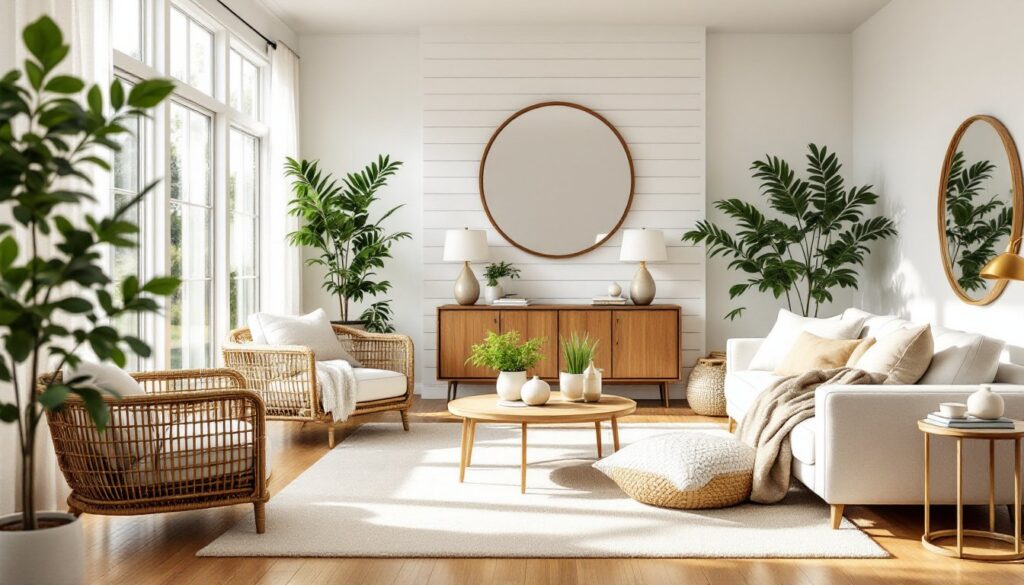
Monochromatic color schemes risk looking flat without texture variation. Mix hard and soft materials to add depth: a smooth leather sofa with a chunky knit throw, a sleek metal side table with a rough jute rug, smooth walls with textured wallpaper or shiplap. Matte and glossy finishes play off each other, a matte paint wall with a glossy brass pendant light, a wooden furniture piece with polished metal hardware.
Natural materials like wood, stone, linen, and wool add warmth and character that plastic or synthetic alternatives can’t match. They’re also more durable for high-traffic areas and actually improve with age. Layering textures isn’t about being “busy”, it’s about creating visual richness that makes a room feel lived-in and thoughtful. A room with soft velvet, smooth glass, rough wood, and woven fibers invites you to actually touch things, which deepens engagement. Websites like Decoist showcase how texture layering transforms standard rooms into distinctive spaces. Balance is key: too many different textures compete: aim for a dominant texture with 2–3 complementary ones.
Add Personal Touches Through Decor and Accessories
A beautifully designed room without personal touches feels like a hotel lobby. Incorporate items that reflect who actually lives there: family photos, artwork that speaks to you, collected objects, books, plants. These aren’t afterthoughts, they’re what make a space feel like home rather than a showroom.
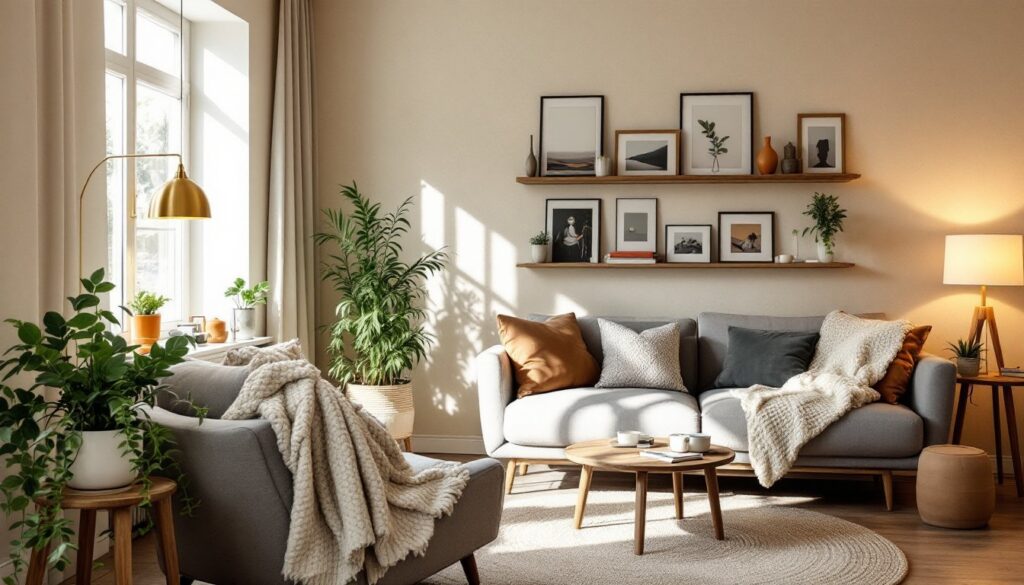
Decor should tell a story. Cluster framed photos on a gallery wall instead of scattering them randomly: group books by color on a shelf for visual impact: arrange plants at varying heights for a living corner. Limit accessories to purposeful items you genuinely like, not just filler. A shelf with ten meaningless items feels cluttered: a shelf with three items you love feels curated. Plants especially work magic, they soften hard edges, purify air, and add life (literally) to any room. Interior design for beginners often stumbles here: new designers flood rooms with accessories expecting them to “complete” the look. Instead, choose fewer pieces with intention. Quality, relevance, and arrangement matter far more than quantity.
Conclusion
Transform your home by applying these seven principles one room at a time. Start with the space where you spend the most time, map out your goals, and build from a solid foundation of color, lighting, and quality basics. Trust your instincts, if something feels off, it probably is. Interior design is learnable, not mysterious, and your home should work as hard as you do. Begin today.