

Table of Contents
ToggleTransitional interior design has quietly become one of the most approachable styles for homeowners who can’t decide between sleek modernity and timeless tradition. It’s the design equivalent of a smart compromise, taking the best bones of classic interiors and mixing them with contemporary clean lines and function. What is transitional interior design, exactly? It’s a blend that feels both comfortable and current, without the stiffness of period pieces or the cold minimalism that sometimes comes with ultra-modern spaces. For anyone looking to refresh their home without overhauling everything, understanding transition interior design principles offers a roadmap. As we head into 2026, this balanced approach continues to gain traction because it works in real homes where real people live, not just in glossy magazine spreads.
Key Takeaways
- Transitional interior design balances classic elements with contemporary clean lines, creating comfortable, functional spaces that avoid the stiffness of traditional or cold minimalism of ultra-modern design.
- The core principles of successful transitional style rest on restraint, balance, and consistency—using neutral color palettes (warm grays, taupes, creams) as your foundation while introducing accent colors sparingly.
- Transitional interior design principles thrive on intentional layering of textures and materials, negative space, and mixing old and new pieces with similar silhouettes, making it budget-friendly and flexible.
- Furniture selection should emphasize clean lines with subtle traditional details (like rolled arms or nailhead trim), exposed legs, and purposeful function—avoiding oversized or overly ornate pieces.
- Cohesion across transitional spaces requires committing to a neutral base color, consistent wood tone, limited material palette (typically four to five main materials), and repeating finishes throughout the home.
- Personality in transitional design lives safely through thoughtfully curated accessories like artwork, decorative pillows, throws, and area rugs in your accent color palette, rather than abundant wall décor or pattern.
What Is Transitional Interior Design?
At its core, transitional interior design bridges the gap between traditional and contemporary styles. Rather than going all-in on either extreme, it pulls elements from both worlds to create spaces that feel grounded yet fresh. A transitional room might feature a classic wingback chair next to a sleek, glass-top console table, unexpected combinations that somehow work seamlessly together.
Transition in interior design isn’t about confused eclecticism or hodgepodge decorating. It’s intentional restraint. You’re choosing pieces and finishes that share a common thread: usually clean lines, neutral tones, and functional beauty. Think of it as the design equivalent of dressing for the office in tailored jeans and a blazer, polished enough for serious work, relaxed enough to actually move in.
Transitional style interior design grew popular in the early 2000s as a reaction to overly ornate maximalism and the sometimes harsh edges of industrial design. It’s gained momentum because it appeals to a broad range of people. Families like it because it’s practical. Design-conscious homeowners appreciate its sophistication. And budget-conscious renovators love that you can mix high-end statement pieces with affordable basics without creating visual discord. According to design research on interior design trends 2026, transitional remains in the top three preferred aesthetics among homeowners planning renovations this year.
Core Principles Of Transitional Style
Successful transitional interiors follow a few non-negotiable rules. First: restraint. You’re not filling every corner with décor. Second: balance. For every ornate piece, there’s typically a simple one. Third: consistency. Transitional spaces usually stick to a cohesive material palette, wood tones, metal finishes, and fabrics that repeat throughout.
The principle of layering matters enormously in transitional design. Rather than picking one “look,” you’re creating depth through mixing textures and materials thoughtfully. Pairing a rich leather sofa with linen throw pillows, or combining aged brass fixtures with brushed nickel hardware, creates visual interest without chaos. This layering approach also means that as your taste or needs evolve, you can swap individual pieces without the whole room feeling disjointed.
One often-overlooked transitional principle is the power of negative space. Unlike traditional design, which often favors furnished abundance, transitional spaces breathe. Rooms don’t feel sparse, they feel intentional. This is why interior design tips emphasizing simplicity and purpose resonate so strongly with the transitional philosophy.
Color Palettes And Finishes
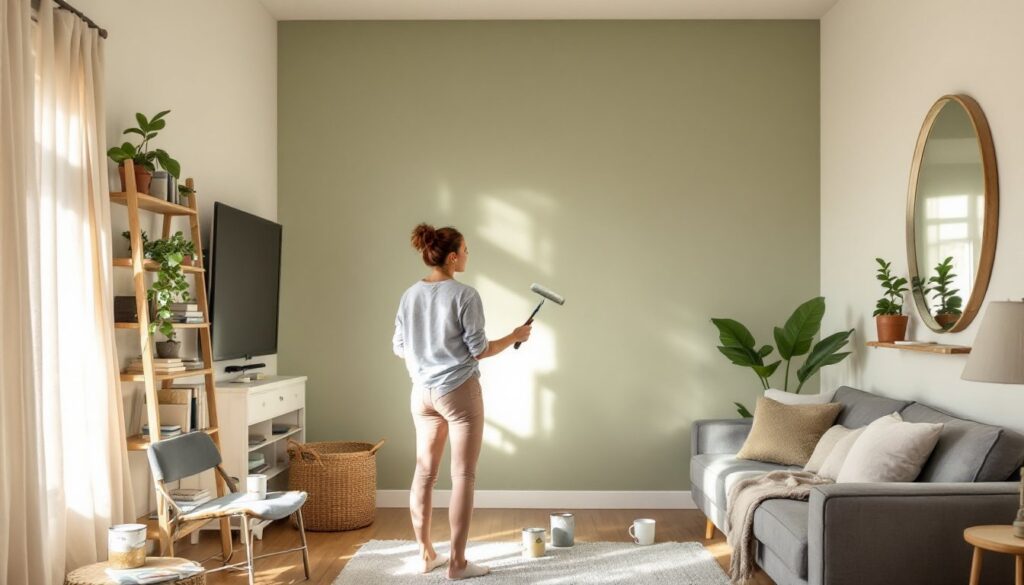
Transitional color schemes almost always anchor themselves in neutrals: warm grays, soft taupes, creamy whites, and soft blacks. These serve as your backdrop. Against this neutral foundation, transitional design introduces accent colors, but sparingly. A burnt orange throw blanket, sage green accent wall, or charcoal accent chair provides personality without overwhelming the space.
Finishes play a critical supporting role. You’ll typically see a mix of matte and semi-gloss surfaces. Matte-finished walls paired with polished or semi-polished hardware. Flat-front cabinetry mixed with subtle sheen on trim work. This variety in finish prevents the space from feeling one-note while maintaining cohesion.
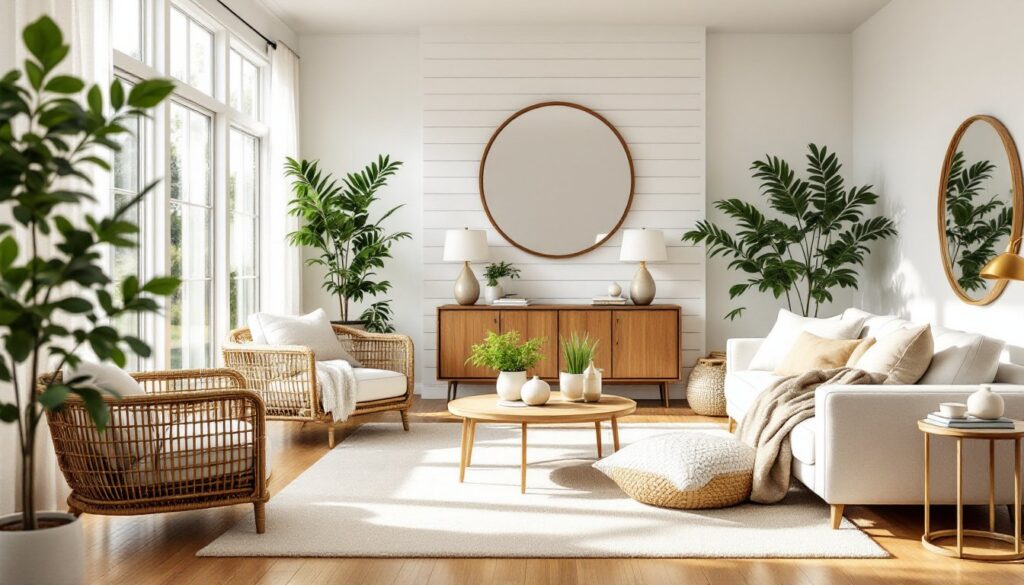
Wood finishes in transitional design tend toward the middle ground. Not heavily stained (too traditional) and not bleached-out (too contemporary). Medium to warm wood tones ground spaces, whether in flooring, built-ins, or furniture. Many transitional homes feature hardwood floors in natural or light stain, which works because it’s neither a bold statement nor invisible, it just supports everything else.
Furniture Selection And Layout
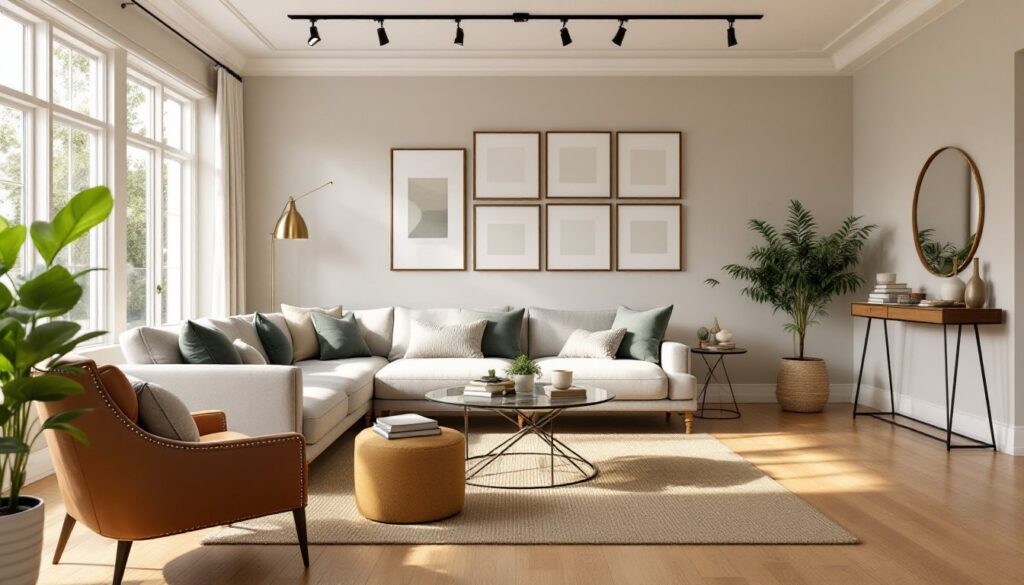
When selecting furniture for a transitional space, think “enduring with a hint of edge.” A sofa in the transitional home typically has clean lines (contemporary DNA) but might feature rolled arms or nailhead trim (traditional nod). Legs are usually exposed, simple, and wood or metal, never chunky or overly carved.
The golden rule: every piece should earn its place through function or form, preferably both. Oversized sectionals, ornate entertainment centers, and overstuffed ottomans feel out of place in transitional design. Instead, opt for scaled furniture with purposeful details. A console table with turned legs and a sleek glass top. A media cabinet with simple hardware and clean proportions. This is where interior design for beginners principles help, each item should have a clear role.
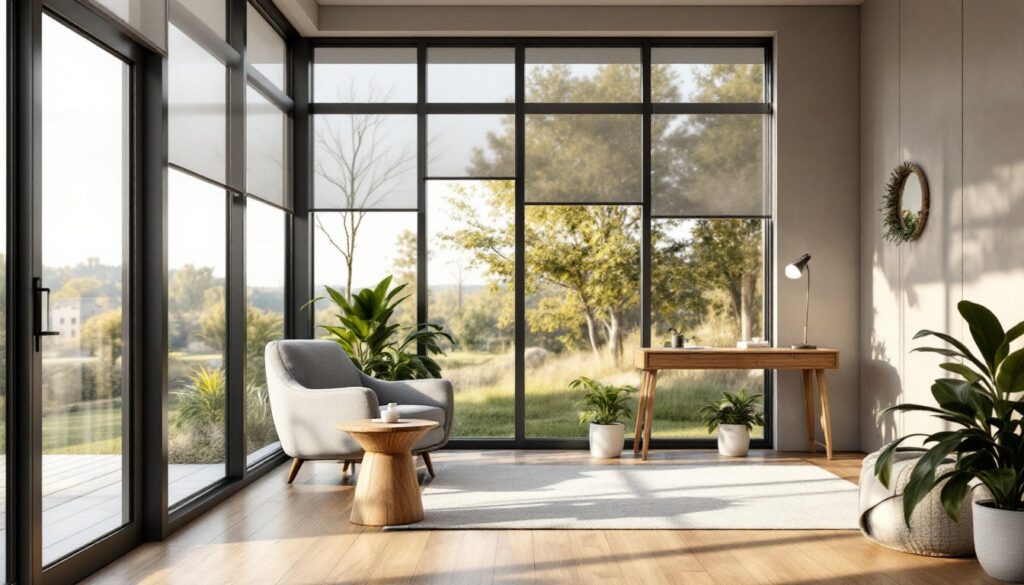
Layout in transitional spaces emphasizes flow and conversation. You’re creating functional zones without hard architectural divisions. Furniture arrangement typically relies on facing seating (allowing conversation) rather than everything angled toward a TV. Islands in kitchens, designated reading nooks with a single chair and side table, dining areas that feel connected to living spaces, these are hallmarks of transitional planning.
Mixing old and new pieces is encouraged in transitional design. A family heirloom table can anchor a dining room if its silhouette reads “timeless” rather than “period.” Vintage finds from estate sales work beautifully alongside contemporary purchases. The key is silhouette consistency, if pieces share similar proportions and line weight, they’ll cohere even if they’re from different eras. This flexibility makes transitional design budget-friendly: you’re not forced to buy everything new or vintage simultaneously.
Creating A Cohesive Transitional Space
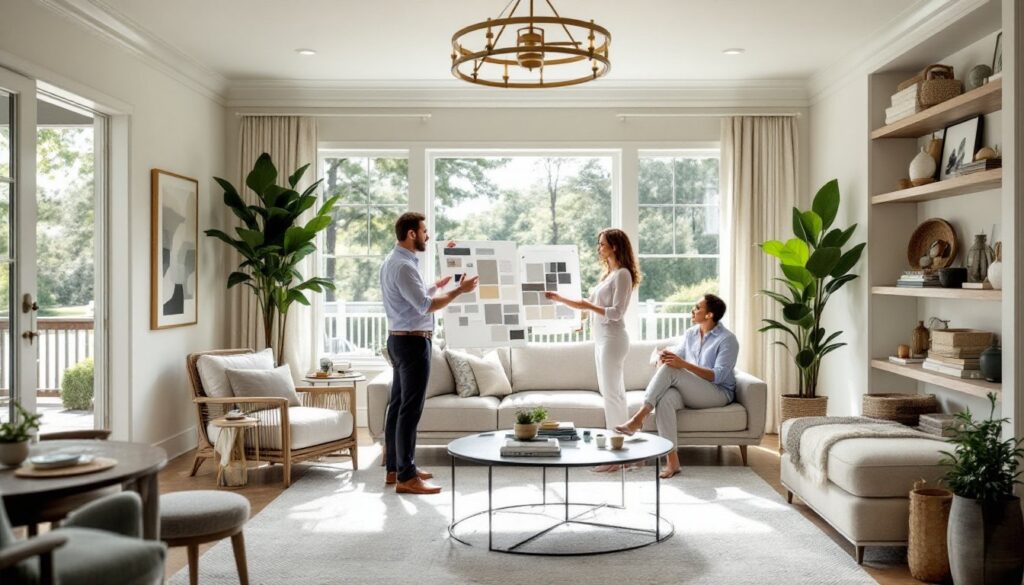
Achieving a unified transitional interior requires a blueprint before you buy anything. Start by defining your neutral base: what’s your primary wall color? Typically, this is a soft gray, warm greige, or pale taupe. Commit to this across most of your main spaces to create flow. Then choose your wood tone, are you going warm oak, cool walnut, or something in between? This consistency in foundation materials prevents visual fragmentation.
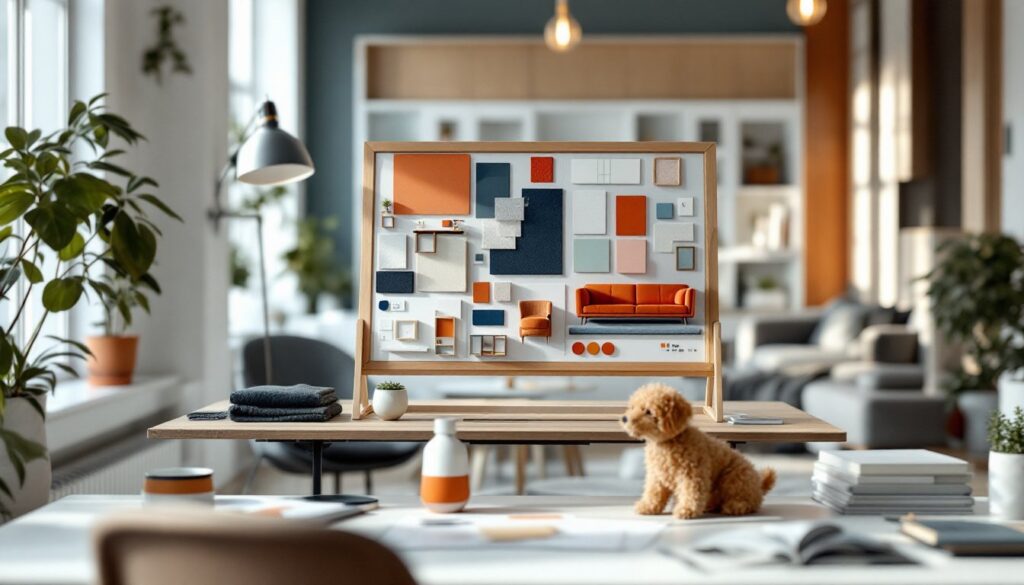
Next, establish your accent color strategy. Many transitional homes feature a single secondary color introduced through larger pieces (like an accent chair or area rug) and repeated in smaller items (pillows, artwork, small décor). This restraint creates sophistication. If you’re adding a third color, make sure it complements rather than competes, think sage paired with terracotta, or charcoal with cream and soft blue.
Material selection matters for cohesion. Transitional spaces typically limit themselves to four or five main materials: wood, metal, glass, upholstered fabric, and maybe natural stone. Repeating these across the home creates visual connection. If your kitchen features brushed nickel hardware, echo that finish in your living room light fixtures. If your entryway has a wood console, use a similar wood tone in bedroom furniture. These repetitions needn’t be identical, but they should read as part of the same family.
Incorporating texture is how you keep transitional spaces from feeling flat. Pair smooth leather with nubby linen. Combine glossy metro tile with matte wall paint. Layer a silk pillow next to a jute pouf. This textural variety engages the eye and hands, making spaces feel more inviting and lived-in.
Lighting And Accessories
Lighting in transitional design serves both function and aesthetics without drama. You’re typically avoiding statement chandeliers and oversized modern pendants in favor of elegant, understated fixtures. Track lighting works beautifully because it’s functional and visually minimal. Recessed lighting provides a clean ceiling line. Traditional-style sconces paired with contemporary shade shapes bridge styles effortlessly.
Accessories are where personality safely lives in transitional design. Artwork should be thoughtfully curated rather than cover-the-walls abundant. A gallery wall works if pieces share a common frame color and spacing rhythm. Mirrors expand light and space, choose frames in finishes that echo your hardware palette. Books, collected objects, and family photos on shelves add warmth without clutter when grouped intentionally rather than scattered.
Decorative pillows, throws, and area rugs are your primary tools for introducing color and pattern. A solid linen pillow in sage, paired with a geometric throw in the same palette, adds richness without chaos. Area rugs anchor furniture groupings and define spaces. Jute, sisal, or wool rugs in natural tones work universally: patterned rugs add interest but should still read as calm rather than busy. Many design professionals suggest limiting patterns to one or two per room for transitional spaces.
Conclusion
Transitional interior design succeeds because it respects both heritage and progress. It doesn’t demand perfection or adherence to rigid rules, it rewards thoughtful choices and intentional restraint. Whether you’re starting a full home refresh or updating a single room, the transition interior design approach offers flexibility to work within your timeline and budget. By anchoring spaces in neutral foundations, selecting furniture with enduring silhouettes, and mixing materials with purpose, you create homes that feel both sophisticated and genuinely livable. Start with one room, test the principles, and expand from there. The beauty of transitional style is that it grows with you.