


Table of Contents
ToggleWindow treatments are far more than a finishing touch, they’re a foundational design element that affects how light enters your home, influences temperature control, and sets the visual tone for every room. Whether you’re starting from scratch or refreshing tired curtains that have seen better days, choosing the right window treatments can transform a space dramatically. This guide walks you through the options, from classic drapes to modern roller shades, and shows you exactly how to measure, choose, and install treatments that work for your style and budget.
Key Takeaways
- Window treatments are foundational design elements that control light, insulation, and privacy while setting a room’s visual identity and affecting perceived space.
- Layering window treatments—such as pairing sheer undercurtains with heavier overcurtains—provides flexibility for both daytime light diffusion and nighttime privacy.
- Interior design window treatments range from budget-friendly options ($15–$75 for basic panels or roller shades) to premium choices ($150–$300+ for quality linen or custom fabrics).
- Accurate measurement at three points and proper rod placement 4–6 inches above the window frame are critical to avoid wasted money and ensure professional-looking installations.
- Choose window treatments based on functional needs first—light control, privacy, or insulation—then match them to your room’s size, natural light, and existing décor for cohesive design.
- Testing fabric swatches in your actual room under different lighting conditions prevents color perception errors and ensures your final choice complements your home’s aesthetic.
Why Window Treatments Matter In Modern Interior Design
Window treatments are working décor. They manage light control, insulation, and privacy while anchoring a room’s visual identity. Unlike simply closing a blinds slat, the right treatment tells the story of how you want to live in that space.
Good window treatments handle functional demands without sacrificing style. A thermal-lined curtain blocks heat loss in winter and reduces solar gain in summer, lowering energy bills. A blackout shade in a bedroom ensures deep sleep. A sheer fabric filters harsh midday sun while maintaining an open, airy feel.
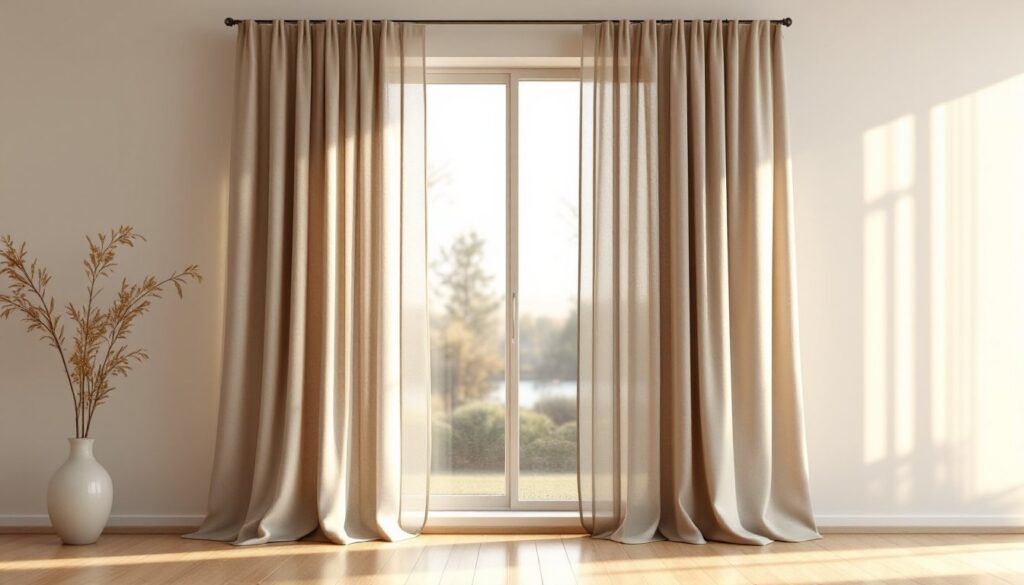
Modern design emphasizes layering. Pairing a sheer undercurtain with heavier overcurtains gives you flexibility: soft diffused light during the day, complete privacy at night. This approach suits nearly any room and budget. According to Interior Design Trends 2026, homeowners are leaning toward versatile, dual-function treatments that blend form and function seamlessly.
Beyond aesthetics, window treatments affect perceived space. Floor-to-ceiling curtains make rooms feel taller. Wide, heavy fabrics add warmth to sparse interiors. Lightweight, neutral treatments keep small spaces from feeling cramped. The choice directly impacts comfort, mood, and how naturally you move through your home.
Popular Window Treatment Styles For Every Room And Budget
Curtains And Drapes: Timeless Options With Endless Possibilities
Curtains and drapes remain the most versatile window treatment. The distinction matters: curtains are typically lightweight and hang from rods, while drapes are heavier, lined fabrics that usually extend to the floor and may feature pleats or formal headings.
Curtains work anywhere. In bedrooms, blackout-lined panels block light entirely. In living rooms, linen or linen-blend curtains soften natural light and add texture. Kitchen café curtains, short panels hung halfway up, provide privacy without blocking overhead light. Fabric weight, lining, and length all affect function.
Common heading styles include grommet tops (modern, easy to hang), pinch pleats (formal, structured), rod pocket (casual, flexible), and tab top (contemporary, casual). Your rod choice matters too. A decorative rod becomes part of the design: a ceiling-mounted rod maximizes vertical space and makes rooms feel taller.
Cost varies widely. A basic, unlined polyester curtain panel runs $15–$40. Quality linen-cotton blend panels with thermal lining range $60–$150 per pair. Custom designer fabrics can exceed $300 per pair. Budget accordingly: cheap curtains look cheap, but mid-range fabrics in neutral colors offer excellent durability and style for the investment.
Blinds And Shades: Practical Elegance For Any Space
Vertical blinds suit sliding glass doors and wide windows. Horizontal blinds (wood, faux wood, or aluminum) offer precise light control and work in bathrooms, kitchens, and offices where moisture is a factor. Roller shades hang flat when raised and unfurl when lowered, clean lines, minimal fuss. Roman shades fold into horizontal pleats when raised, adding texture and sophistication.
Cellular shades (also called honeycomb shades) provide excellent insulation due to their air-pocket design. Single-cell options suit mild climates: double-cell shades work better in harsh winters or summers.
Faux wood blinds cost $40–$100 per window and resist moisture better than real wood, making them ideal for kitchens and bathrooms. Real wood blinds run $80–$200 per window but add warmth and character to living spaces. Roller shades range from $25–$75 for standard sizes: motorized versions cost $200–$400 and suit large windows or hard-to-reach openings.
Many homeowners layer treatments: a roller shade for light control paired with curtains for style. This combination works in nearly every room and gives you flexibility without clutter.
How To Choose The Right Window Treatment For Your Home
Start with function. Ask yourself: Do I need light control, privacy, insulation, or all three? A south-facing bedroom benefits from blackout shades or thermal-lined curtains. A north-facing living room might need sheer treatments that filter light without blocking it. A bathroom requires moisture-resistant options like faux wood blinds or vinyl roller shades.
Consider room light and size. Light, airy rooms handle bold, heavy fabrics well: small, dim spaces need lighter treatments to avoid feeling oppressive. Tall windows look balanced with floor-to-ceiling curtains: short, narrow windows gain height with high rod placement.
Style integration matters. Best Interior Design Ideas emphasize cohesion, your window treatment should complement existing furniture, flooring, and wall color, not compete with it. Neutral fabrics (ivory, gray, taupe, soft white) work anywhere and provide flexibility if you redecorate. Pattern and bold color add personality but limit future changes.
Budget realistically. A full home overhaul might cost $2,000–$8,000 depending on window count and material quality. Single-room upgrades run $300–$2,000. Know your limits and prioritize: invest more in high-traffic living spaces: go simpler in bedrooms or guest rooms.
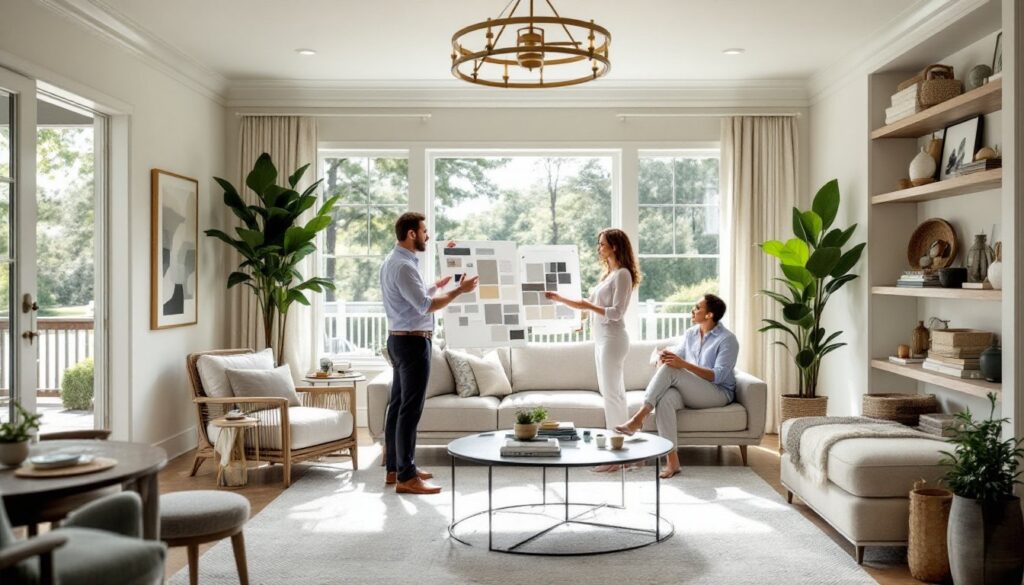
Test samples. Order fabric swatches and hold them at your windows in different light conditions. Daylight, afternoon sun, and evening artificial light all affect color perception. What looks soft gray in the store might read blue or green in your room. Sites like Homedit showcase room examples with specific treatments, use these as reference when making choices.
Interior Design Tips to Transform Your Living Space remind us that good design balances aesthetics with practicality. Your window treatment should feel effortless to use, if you avoid it because it’s cumbersome, it’s the wrong choice.
Measuring And Installing Your Window Treatments Like A Pro
Accurate measurement is non-negotiable. Poor measurements mean wasted money and frustration. Take three measurements: at the top, middle, and bottom of the window. Windows are rarely perfectly square, and these three points reveal any irregularities.
For curtain rod placement, mount the rod 4–6 inches above the window frame (higher for tall-ceiling rooms). Rods should extend 8–12 inches beyond each side of the window to maximize light when curtains are fully open. Use a stud finder and heavy-duty brackets for solid support, curtains carry real weight.
Curtain finished length depends on your look: sill length (just clearing the sill) works in kitchens and casual spaces: apron length (to mid-calf) suits transitional rooms: floor-to-ceiling length creates drama and height. Measure from the rod to where you want the curtain to end, then add 0.5–1 inch for hems and movement.
For shade installation, follow manufacturer instructions precisely. Roller shades and Roman shades mount inside or outside the window frame, inside mount creates a clean look but requires precise measurement: outside mount is more forgiving. Use the right anchors for your wall type: drywall anchors for drywall, wood screws for solid frames. If your window frames are compromised or your walls are plaster, call a professional rather than guess.
Pro tip: Lightweight sheers don’t need heavy brackets, but heavier drapery does. A pair of curtains can weigh 10–20 pounds: undersized brackets will sag. Invest in proper hardware.
Hanging curtains requires patience. Ensure your rod is level with a spirit level. Pre-drill holes if using wall anchors. Hang curtains on one side, adjust, then hang the other side. Step back frequently and check alignment. Most DIYers get this right on the second or third attempt, expect imperfection on the first try.
House Beautiful and design magazines showcase professional installations. Notice how rods are exactly level, panels are symmetrical, and hems are precise. These details separate good installs from great ones. If you’re uncertain, hiring a professional installer ($100–$300 per window) is worthwhile and often covered by specialty fabric retailers.
Conclusion
Window treatments anchor interior design and control how your home functions. The right choice combines light control, privacy, style, and durability without overcomplicating your life. Start with your room’s needs, test samples in natural light, measure carefully, and install with precision. Whether you choose classic curtains, versatile blinds, or layered treatments, focus on quality within your budget and consistency with your overall design vision. MyDomaine and other design resources offer endless inspiration, use them to refine your taste, then commit to a choice that feels like home.