

Table of Contents
ToggleMinimalism isn’t about living with almost nothing, it’s about living intentionally with what matters. Minimal interior design strips away excess to reveal function, calm, and clarity in every room. For homeowners tired of visual noise and endless decorating trends, this approach offers relief. Whether you’re working with a small apartment or reimagining a sprawling house, minimalist principles help you design spaces that feel open, peaceful, and genuinely yours. This guide walks you through the philosophy, the practical steps, and room-specific ideas to get started.
Key Takeaways
- Minimal interior design is about living intentionally with what matters, not deprivation—each piece should serve a clear function or bring genuine beauty.
- Neutral color palettes of whites, grays, and beiges create visual calm and make rooms feel larger, while texture in natural materials adds warmth without color clutter.
- Begin your minimalist redesign in phases: declutter honestly, organize what remains with closed storage, and make intentional purchases aligned with your long-term aesthetic.
- Bedrooms are the ideal starting point for minimalism since they prioritize rest; focus on a quality platform bed, matching nightstands, and soft, neutral textiles.
- Minimalist spaces reduce stress, decision fatigue, and cleaning time while improving overall satisfaction and livability, as research from home design experts confirms.
- Empty space itself becomes a design element in minimal interior design—avoid clustering items or filling every shelf, letting your eye rest rather than jump between competing visual elements.
What Is Minimalism in Interior Design
Minimalism in interior design is a philosophy centered on simplicity, functionality, and intentionality. It’s not about deprivation or cold, empty spaces, it’s about curating what actually serves you. The core idea is that removing visual clutter and unnecessary objects creates mental clarity and a more livable environment.
Minimalism differs from Interior Design vs Interior Decorating: Key Differences Explained, where decorating adds beauty through accessories, while design shapes how spaces function. A minimalist approach combines both: designing layouts that work perfectly and decorating only with pieces that earn their place.
This style also connects to contemporary design trends. Interior Design Trends 2026: The Top Styles Shaping Homes This Year show that homeowners increasingly favor timeless, uncluttered aesthetics over temporary fads. Minimalism isn’t trendy in the traditional sense, it’s becoming a permanent shift toward thoughtful living.
Key Principles of Minimal Design
The foundation of minimal interior design rests on a few core principles that guide every decision, from furniture selection to color choices.
Less Is More: Furniture and Décor
Start by keeping only furniture that serves a clear purpose. Each piece should either function well or bring genuine beauty, preferably both. In a minimalist bedroom, this might mean a platform bed, a single nightstand, and a dresser. Skip the decorative bench at the foot of the bed or the accent chair you never use.
When selecting pieces, opt for clean lines and neutral finishes. A solid wood table works better than an ornate one with excessive details. Storage should be built-in or concealed whenever possible, think floating shelves, closed cabinetry, or under-bed drawers rather than open bookcases crammed with objects.
Decoration follows the same rule: choose intentionally. A single piece of wall art, a plant, or a vase can anchor a room. Avoid clustering items or filling every shelf. The empty space itself becomes part of the design, not something to fill.
Color Palettes and Neutral Tones
Minimal spaces rely heavily on neutral color palettes: whites, grays, beiges, soft blacks, and warm browns. These colors create visual calm and make rooms feel larger. The baseline palette typically uses 2–3 primary neutrals, with perhaps one accent color introduced through textiles or a single focal point.
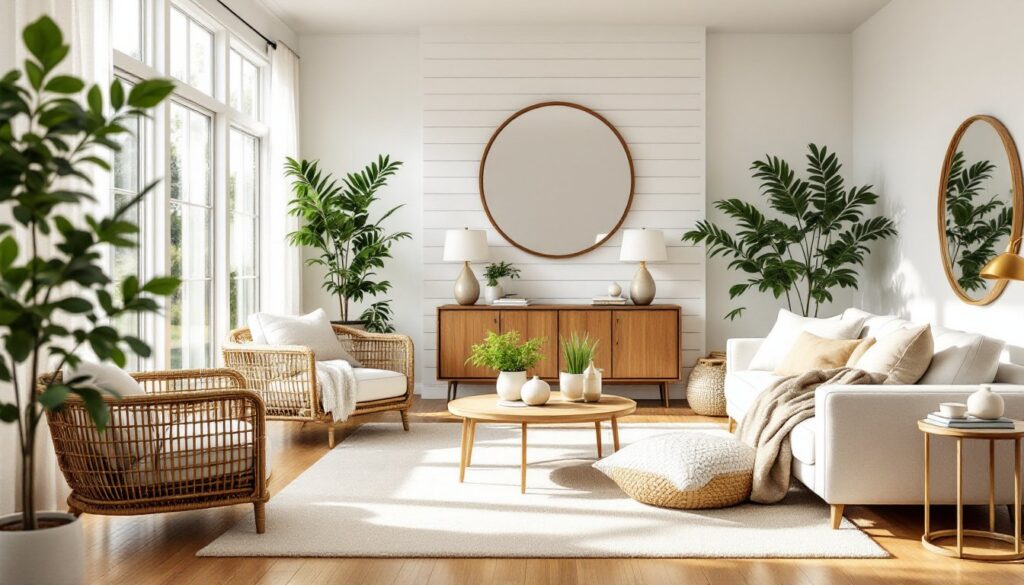
This doesn’t mean boring. Texture adds richness, linen, wool, natural wood, and concrete create visual interest without color clutter. A white room with a chunky knit throw and raw wood flooring feels warm and inviting, not sterile.
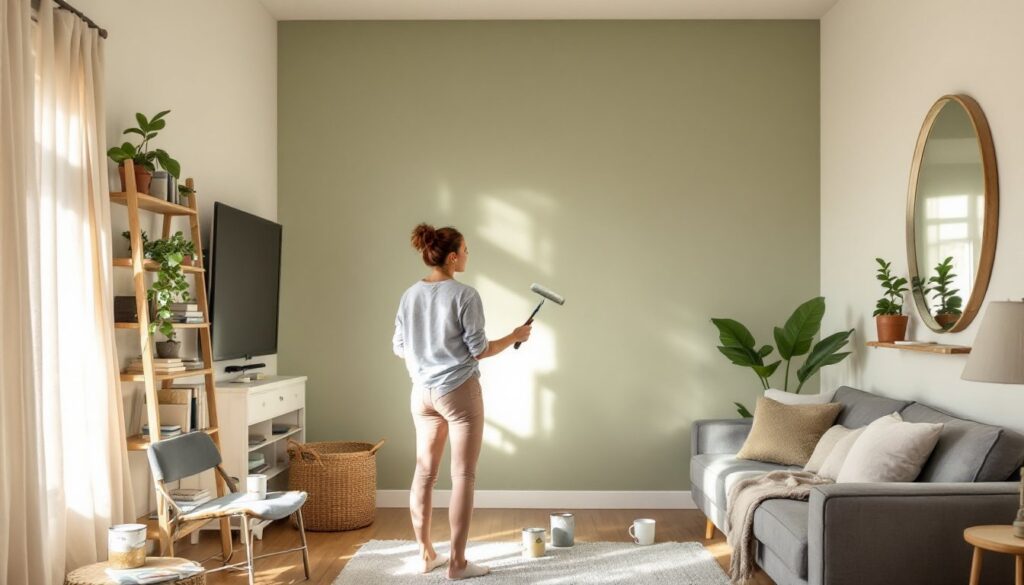
Accent colors, if used, should be restrained. A single accent wall or a few pillows in a muted sage or navy can work, but avoid competing color schemes. The goal is for your eye to rest, not jump from one hue to another.
How to Start Your Minimalist Redesign
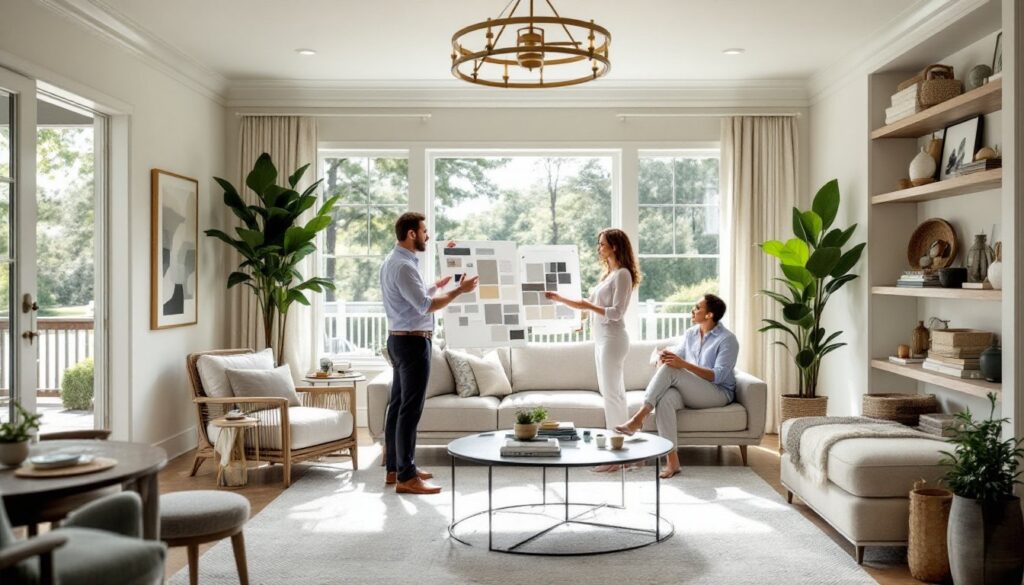
Beginning a minimalist redesign can feel overwhelming, but breaking it into steps makes it manageable. Start by auditing what you have. Walk through each room and honestly assess whether items serve you functionally or emotionally.
Phase one is decluttering. Remove everything that’s broken, unused, or doesn’t align with your vision. This is harder than it sounds, sentimental items and “just in case” objects often stay. Be honest: if you haven’t used something in a year and don’t have a clear reason to keep it, it’s taking up mental space.
Phase two is organizing what remains. Group similar items, assign homes, and use closed storage to hide what doesn’t look intentional on display. Kitchen tools belong in drawers, not hanging from hooks. Books stack neatly on shelves by color or size.
Phase three involves making purchasing decisions carefully. Before buying anything new, ask: Does this replace something? Does it solve a real problem? Will I use this regularly? Will it work with my color palette and aesthetic for years? Interior Design for Beginners: covers foundational choices that support this mindset.
Set a timeline. Redesigning a full house takes months: starting with one room makes it achievable. Bedrooms are often the best starting point because they’re personal and lower-stakes than shared living spaces.
Minimalist Room-by-Room Design Ideas
Different rooms benefit from minimalism in slightly different ways. Understanding room-specific needs helps apply the philosophy effectively.
Bedrooms and Living Areas
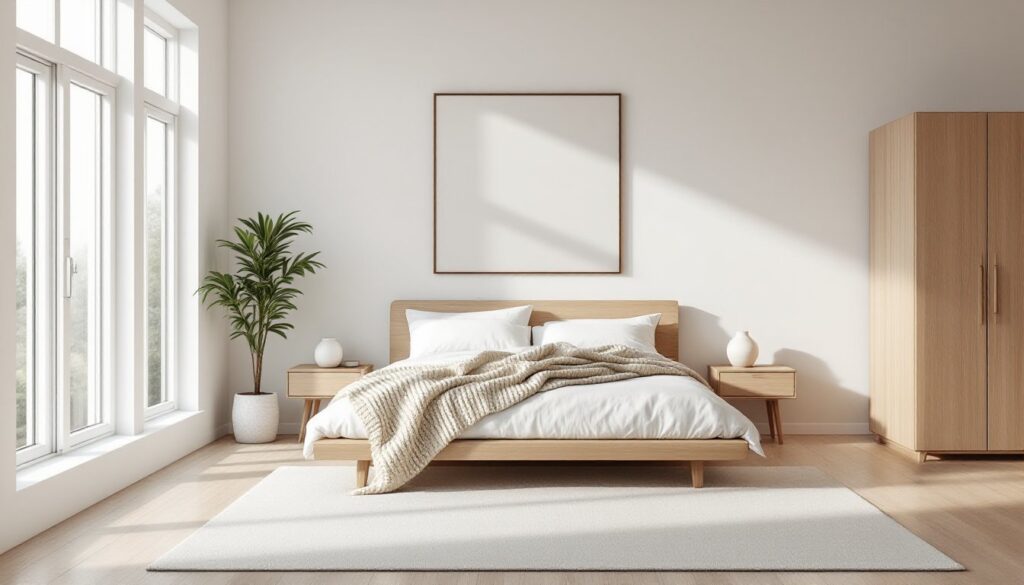
Bedrooms are ideal for minimalism because the goal is rest, not entertainment. Start with a quality platform bed in natural wood or a neutral upholstered frame. Pair it with two matching nightstands (one per side, not three scattered about) and a single dresser or wardrobe. Flooring should be warm, light wood, concrete, or a neutral wool rug.
Color the walls a soft white, gray, or warm beige. Skip wallpaper, busy patterns, and multiple accent colors. Hang a single piece of meaningful art or leave walls unadorned. Textiles add softness: quality cotton sheets, a linen duvet, and maybe one throw blanket. Keep these neutral or use a single muted accent.
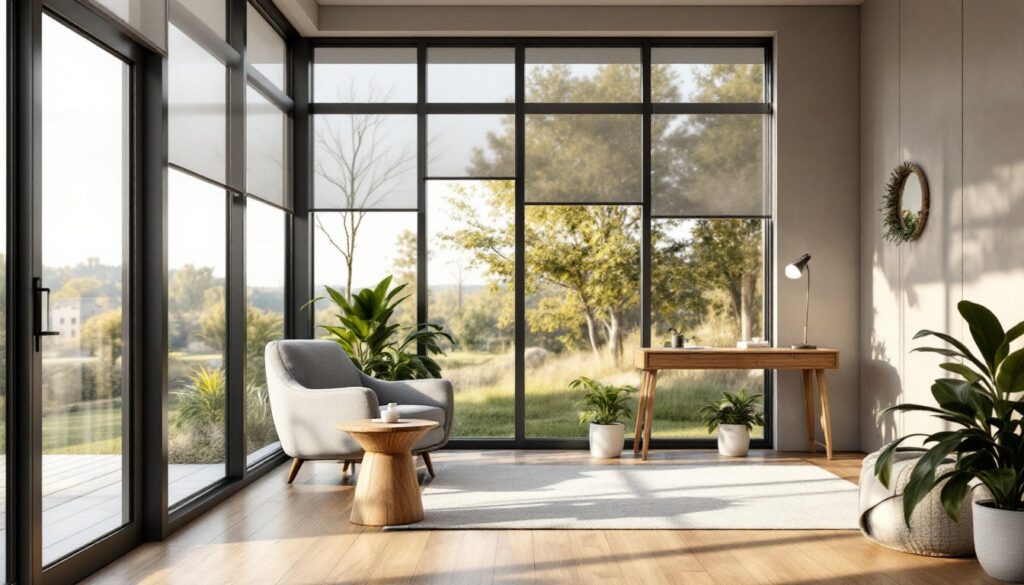
Living areas require more flexibility since they’re shared spaces. Still, follow the core rule: every item earns its place. A sofa, coffee table, and television are functional anchors. Add one or two accent chairs only if the room accommodates them without feeling crowded.
Storage is critical in living rooms. Floating shelves or a closed media console keep visible items minimal. If you keep books on display, curate them intentionally, don’t fill every shelf. Plants work well in minimal spaces (they’re organic and alive), but keep them to 2–3 key spots rather than dotting them everywhere.
Lighting matters enormously. Replace busy chandeliers with a simple ceiling fixture or track lights. Pendant lights or floor lamps with clean lines add function without visual noise. Avoid table lamps with ornate shades, look for linen or simple ceramic bases instead.
Interior Design Ideas to Transform Your Space and Top Interior Design Trends and Tips for Creating Stunning Spaces both explore how specific room decisions compound into cohesive, beautiful spaces. The philosophy works across kitchens, bathrooms, and entryways too. Each benefits from removing what doesn’t work and keeping what does.
Research from Homedit and Domino show that minimalist spaces consistently rank high in livability and satisfaction. Homeowners report feeling less stressed in uncluttered environments and spending less time cleaning and organizing.
Minimalism also reduces decision fatigue. Fewer options mean faster mornings and less mental energy spent on your surroundings. Over time, this quiet intentionality becomes the real benefit of minimal interior design.
Moving Forward
Minimal interior design doesn’t require perfection or a complete overhaul. Start small, stay intentional, and let your space evolve. Remove what doesn’t serve you, invest in pieces that last, and embrace emptiness as a design element. The result is a home that calms rather than stresses, a place you genuinely want to be.