

Table of Contents
ToggleCreating a welcoming cafe interior isn’t just about picking pretty colors or trendy furniture. It’s the deliberate layering of lighting, materials, and atmosphere that transforms a space into somewhere customers actually want to linger. Whether you’re designing a new cafe from scratch or refreshing an existing one, understanding the fundamentals of cafe interior design ensures your investment creates the right vibe, one that keeps people coming back. This guide walks you through the seven essential elements that separate average cafes from ones people actually talk about.
Key Takeaways
- Define your cafe concept and target customer first—whether it’s a quiet reading nook, social hub, or work space—because every design decision should align with this foundation.
- Layer your lighting with ambient (2700K–3000K), accent, and task lighting to balance warmth with functionality, using dimmable LEDs to avoid harsh fluorescence and screen glare.
- Mix seating types and arrange furniture to create visible traffic flow from entry to counter to seating, ensuring customers feel part of the energy without feeling cramped.
- Choose durable, easy-to-clean materials like polished concrete, wood-look vinyl, or porcelain tile, and warm hard surfaces with area rugs, upholstered seating, and acoustic treatments to reduce noise.
- Build your cafe interior design color palette using the 60–30–10 rule: 60% calm neutrals, 30% secondary color, and 10% accent, with wall treatments that add texture like shiplap or exposed brick.
- Curate decor thoughtfully with focal points like feature walls or statement lighting, subtle branding elements, and finishing touches such as fresh plants and quality details that signal you care about the customer experience.
Define Your Cafe Concept and Style
Before buying a single piece of furniture, nail down what your cafe actually is. Are you building a quiet reading nook, a bustling social hub, or a professional work-from-coffee-shop space? Your concept guides every decision that follows.
Think about your target customer. A cafe targeting students needs fast seating turnover and casual durability. A fine-coffee destination caters to people who’ll spend an hour analyzing espresso notes. A neighborhood spot needs comfort and conversation-friendly acoustics.
Your style should reflect your concept. Minimalist industrial works for a high-turnover coffee bar. Warm, eclectic vintage appeals to slow-coffee enthusiasts. Modern-casual bridges the gap for general audiences. Consistency matters, when your furniture, color story, and decor all align with your concept, the space feels intentional, not thrown together.
Many designers start with reference images and mood boards to test whether their vision works cohesively. This also helps your contractor, electrician, and anyone helping execute the design understand the direction without endless back-and-forth.
Lighting Design for Warmth and Functionality
Lighting makes or breaks a cafe. Too bright and fluorescent, and customers feel rushed. Too dim, and people can’t see their drinks, or work on laptops. The right mix balances ambiance with practical task lighting.
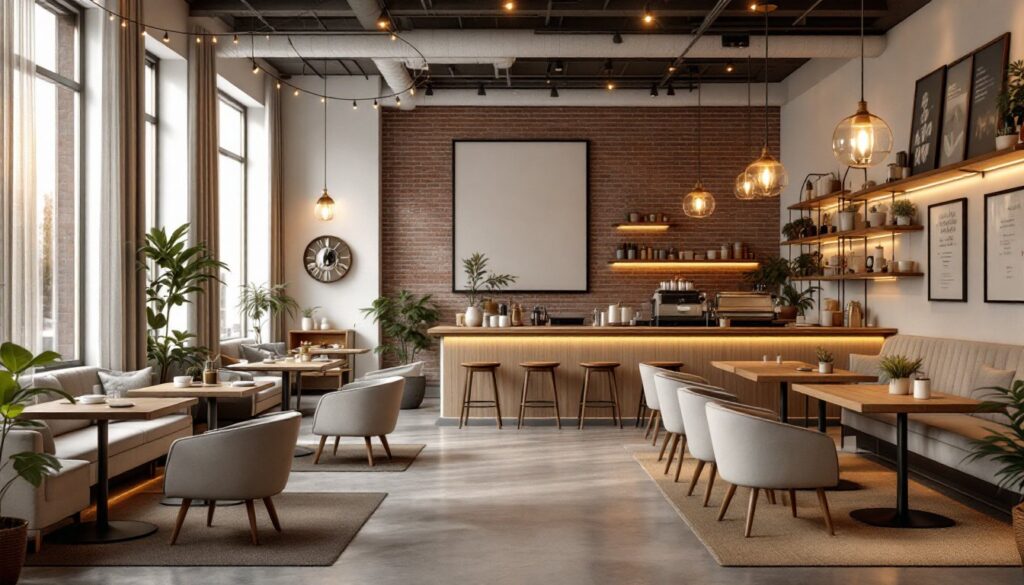
Layered lighting is the key. Use ambient light (overhead fixtures or recessed lighting) as your baseline, setting a warm color temperature around 2700K–3000K for that cozy feel. Add accent lighting to highlight menu boards, art, or architectural features. Provide task lighting near tables where people read or work, especially if they’re using devices.
Consider dimmable LED fixtures over incandescent or fluorescent options. LEDs save energy, last longer, and look better. Warm-white LEDs mimic the comfort of traditional bulbs without the heat output. Position ambient fixtures to avoid glare on screens and windows, customers working on laptops will appreciate that detail.
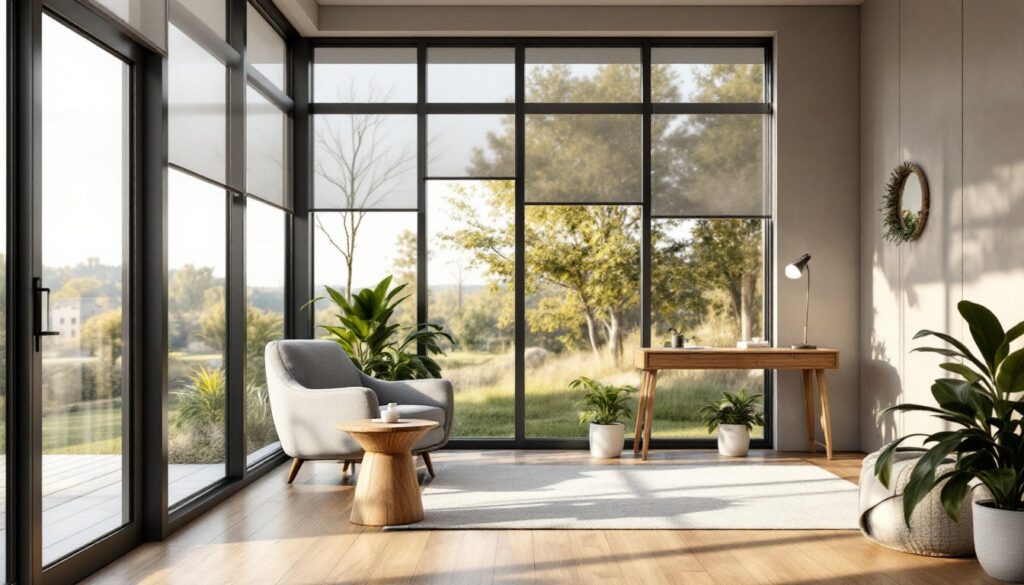
Natural light matters too. If you have windows, embrace them with sheer curtains or controlled shading rather than heavy blackout treatments. During gray afternoons or evenings, your artificial lighting carries the mood.
Furniture Selection and Layout Strategy
Furniture is your cafe’s backbone. It defines how customers move through the space, how long they stay, and whether they feel cramped or comfortable.
Start with a rough furniture layout scaled to your floor plan. Map traffic flow from entry to order counter to seating. Seats should be grouped but not isolated, people want to feel part of the cafe energy, not hidden away. Leave clear walking paths: cramped layouts frustrate customers and staff.
Mix seating types: bar stools for quick visits, comfortable chairs with tables for lingering, booth seating for small groups. This flexibility attracts different customer types and use cases. A 36-inch table height pairs with standard-height chairs: bar-height seating (around 42 inches) works for service counters.
Choosing Comfort and Style
Your furniture materials should match your concept and handle the cafe environment. Wood and metal frameworks age well and feel intentional. Upholstered seating needs durable, cleanable fabrics, avoid velvet and light colors unless you’re replacing often.
Invest in good chairs. Cheap seating drives customers out faster than bad coffee. Comfortable chairs signal that your cafe respects their time. Brands like those featured on interior design inspiration sites often showcase cafe-specific pieces that balance durability with design.
Don’t overlook scale. Oversized furniture swallows a small space. Sleek, leggy pieces (rather than chunky bases) create visual openness even in tight cafes.
Color Palette and Wall Treatment Ideas
Color sets the emotional tone before anyone takes a sip. Warm neutrals (creams, taupes, soft grays) create calm and approachability. Deep jewel tones (navy, forest green, terracotta) add richness and sophistication. Bold accent colors work as feature walls or pops in decor, not as the dominant palette.
Neutrals often dominate cafe walls because they’re versatile and forgiving. A light warm gray or cream base lets furniture, art, and natural light shine. Consider 60–30–10 color proportions: 60% calm neutral, 30% secondary color, 10% accent.
Wall treatments go beyond paint. Shiplap or tongue-and-groove wood adds texture and warmth. Exposed brick (if you have it) is hard to beat, it ages gracefully and needs minimal styling. Wallpaper works in small doses for accent areas: large, bold patterns can feel dated quickly. Matte finishes feel more refined than glossy.
Paint quality matters. Use eggshell or satin finishes in cafes: they’re more durable and cleanable than flat paint, especially near high-traffic areas. Plan for regular touch-ups in busy zones.
Research shows best interior design approaches emphasize how color directly influences customer mood and dwell time. Test your palette in samples on your actual walls under your actual lighting before committing.
Flooring and Acoustic Considerations
Flooring handles foot traffic, spills, and defines the visual base of your space. Polished concrete is durable, modern, and practical, easy to clean and forgiving of inevitable coffee splashes. It can feel cold without area rugs: warm it with warm lighting and textures.
Wood or wood-look luxury vinyl plank (LVP) brings warmth and comfort underfoot. LVP is waterproof, quieter than concrete, and more budget-friendly than hardwood. Ceramic or porcelain tile is durable and comes in dozens of finishes, matte holds warmth better than polished.
Mix materials strategically. A 6–8 foot area rug under seating groups defines zones and dampens sound. High-traffic paths (order line, hallways) benefit from the easiest-to-clean materials: softer zones can be warmer.
Acoustics often get overlooked, and it’s a mistake. A loud, echoey cafe feels chaotic. Hard floors and walls bounce sound, so layer absorption: rugs, upholstered seating, fabric wall hangings, or acoustic panels disguised as art. Ceiling treatments matter too, drop ceilings with acoustic tiles absorb noise far better than exposed concrete or hard finishes.
Plants provide dual benefits: they dampen sound, improve air quality, and add life to corners. String lights, soft furnishings, and even strategic book displays absorb sound while supporting your aesthetic.
When planning layout, keep loud equipment (espresso machines, blenders) away from primary seating areas if possible.
Decor, Branding, and Finishing Touches
Decor is where personality emerges, but it should feel curated, not cluttered. Every piece should reinforce your concept or serve a function.
Start with a focal point. A feature wall, a large mirror, or a statement lighting installation gives the eye somewhere to land. Mirrors amplify light and open up tight spaces, making them practical and stylish. Large-scale art aligns with modern cafe design: small, scattered prints feel fussy.
Branding should be subtle but visible. Your logo appears on menus, cups, and signage, not plastered everywhere. A color accent that matches your brand story (say, warm terracotta if your concept is Mediterranean-inspired) ties everything together naturally.
Live-edge wood shelving, vintage plant stands, or a carefully arranged coffee bar display add character without chaos. Collections (vintage coffee gear, local artist work, travel books) tell a story and spark conversation, they’re part of the cafe experience.
Lighting fixtures double as decor. A statement pendant over the order counter or thoughtfully chosen sconces become architecture, not afterthought. Seek inspiration from top interior design trends which showcase how fixtures anchor modern cafe spaces.
Final touches: good signage (both functional and stylish), a curated playlist that matches your vibe, fresh flowers or potted plants, and quality details like cloth napkins instead of cheap paper ones. These small signals tell customers you care about their experience.
Consult interior design for beginners guides if you’re unsure whether your instincts align with design principles, sometimes a second opinion prevents costly mistakes.