

Table of Contents
ToggleHotel rooms have mastered the art of making guests feel at home instantly, and homeowners can steal those same strategies. The best hotel room interior design balances functionality, comfort, and visual harmony without clutter or pretense. Whether you’re refreshing a bedroom, guest room, or your entire home, adopting the principles that luxury hotels use will help you create a serene, inviting space that works hard and looks effortlessly polished. These seven strategies break down the professional approach into actionable steps you can carry out today, regardless of your budget or design experience.
Key Takeaways
- Hotel room interior design succeeds through neutral color palettes, layered lighting, and purposeful furniture selection that prioritize comfort and function over clutter.
- Neutral walls and large furniture (70% of the room) paired with secondary colors in bedding and 10% accent pieces creates a calm, versatile foundation that feels larger and more inviting.
- Layered lighting with ambient, task, and accent light sources—controlled by dimmer switches and 2700K warm bulbs—separates professional hotel spaces from basic bedrooms.
- Invest in quality textiles like high thread-count sheets, layered throw blankets, and blackout-lined curtains to signal comfort and control the room’s atmosphere.
- Accessorize with restraint by choosing statement pieces like a single art piece or mirror that amplify light, and use area rugs and distinct work/rest zones to make functional spaces feel like a luxury retreat.
- Empty nightstands, hidden storage, and negative space are active design choices that enhance relaxation and rest, proving luxury hotels prioritize what’s removed over what’s added.
The Power of Neutral Color Palettes
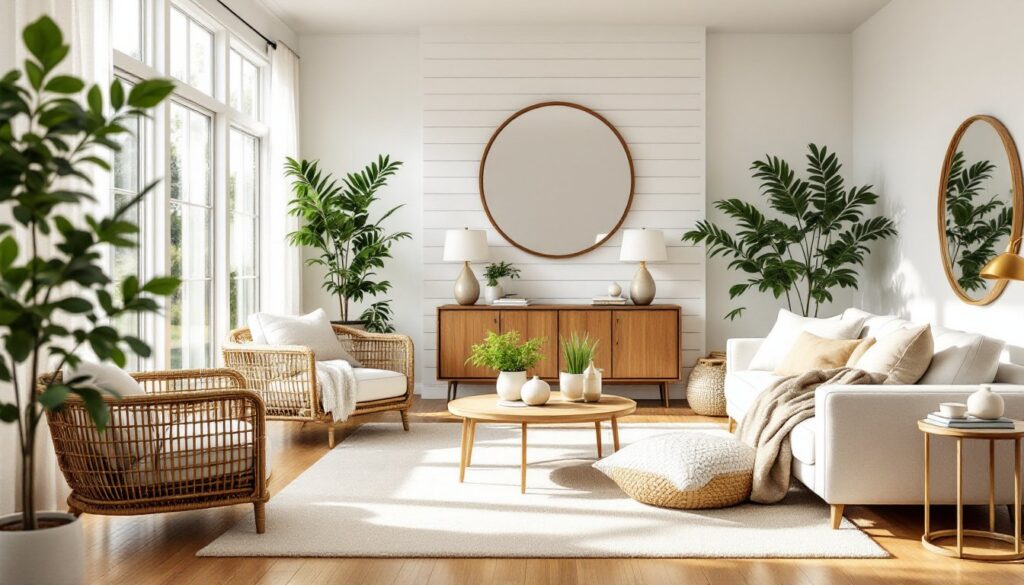
Walk into a five-star hotel, and you’ll notice the walls aren’t screaming for attention. Neutral color palettes, think soft whites, warm grays, and subtle beiges, create a psychological backdrop that lets everything else shine. The genius here is restraint. A neutral base makes rooms feel larger, calmer, and more versatile when you want to update accents later.
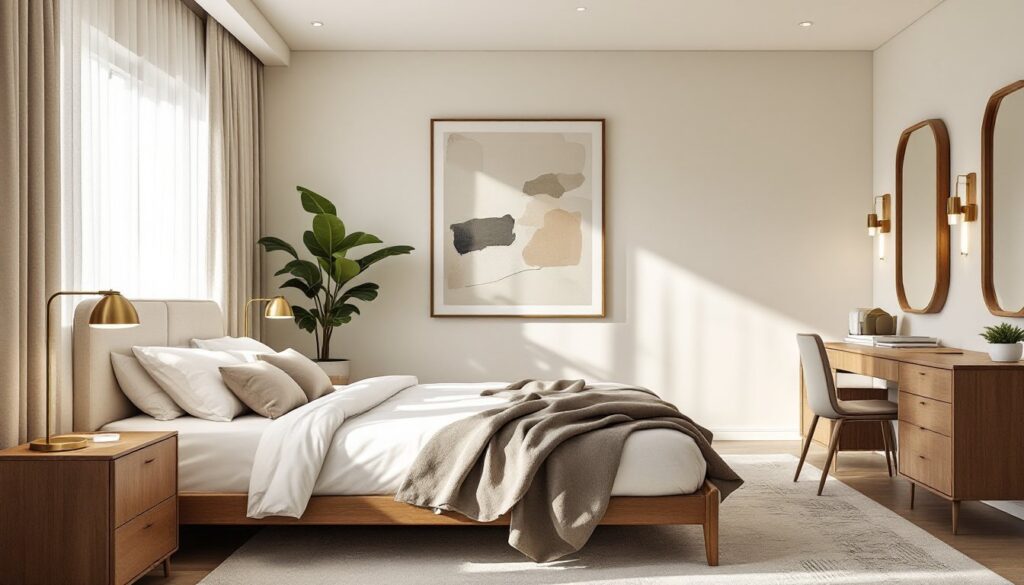
Neutrals don’t mean boring. Vary the undertones: warm whites work differently than cool whites. A creamy off-white feels inviting, while a true white reads clinical. Layer in texture through paint finish (matte, eggshell, satin) or wall treatments like grasscloth to add depth without color noise. Hotels often use a 70-20-10 rule: 70% neutral walls and large furniture, 20% a secondary color in bedding or curtains, and 10% accent colors in art or accessories.
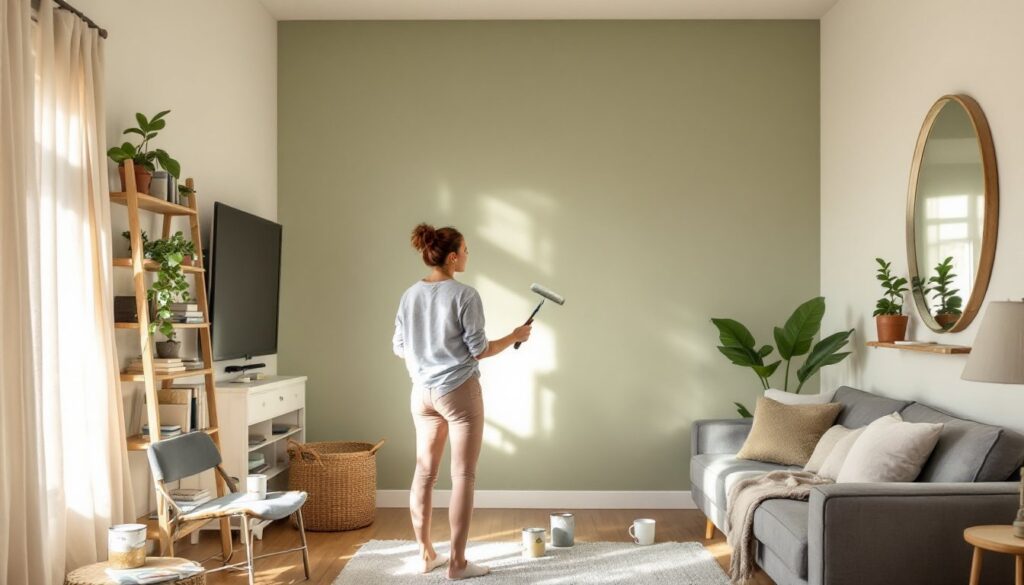
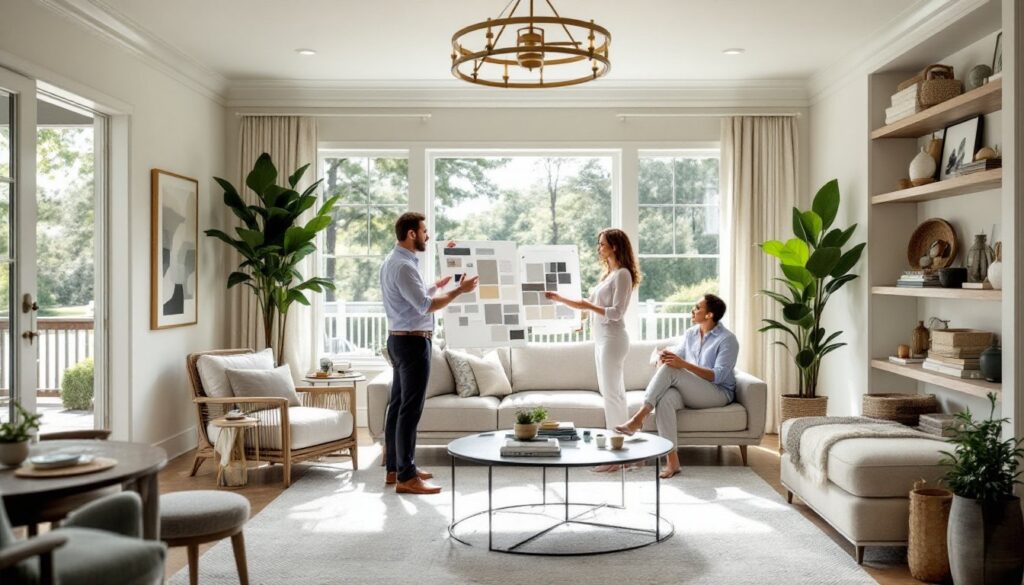
When selecting neutrals, test paint samples on your actual walls at different times of day. Lighting shifts how colors read. A sample that looked perfect at noon might feel cold under evening lamps. Most paint stores let you buy small quantities to test before committing to a gallon.
Layered Lighting for Ambiance and Function
Lighting is where hotel design separates itself from cookie-cutter bedrooms. Hotels don’t rely on a single overhead fixture, they layer three types of light: ambient (general room light), task (reading, dressing), and accent (mood or highlighting décor).
Ambient lighting typically comes from recessed ceiling fixtures or a flush-mount fixture. Task lighting means a bedside table lamp for reading or a vanity light above a desk or dresser. Accent lighting, maybe a backlit headboard, wall sconce, or decorative lamp, sets the tone and draws the eye. Install dimmer switches on primary lights so you can adjust brightness for different times of day and activities.
Specify bulb color temperature: 2700K (warm, yellowish) feels cozy and is ideal for bedrooms: 3000K (neutral white) works well in bathrooms or task areas. LED bulbs last longer and run cooler than incandescent, saving money over time. Most hotels use a mix of table lamps and wall sconces flanking the bed or over a desk, plus soft undercabinet or rope lighting behind headboards for subtle drama without harshness.
Smart Furniture Selection and Space Planning
Luxury hotels choose furniture that serves a clear purpose and fits the room’s proportions. Oversized sofas in small bedrooms don’t work: neither do spindly chairs in large spaces. Scale matters.
Start by measuring your room and sketching a floor plan. Identify traffic flow, the path guests walk from the door to the bed or bathroom. Furniture should never block that route. Hotels place the bed as the focal point, usually centered on the wall opposite the entry. Nightstands flank it at the same height as the mattress top. A desk, if space allows, fits in a corner or against a wall: seating (a small bench or chair) goes in another corner or at the foot of the bed.
Choose pieces with clean lines and a mix of open-leg furniture (to maintain sightlines and make rooms feel less heavy) and solid storage that hides clutter. Hotels often use Interior Design Examples to guide scale and placement decisions. Avoid decorative items on every surface: empty space is your friend. Neutral wood tones (light oak, walnut) pair well with warm metallic hardware (brass, brushed nickel) for a hotel-inspired finish.
Luxury Textiles and Soft Furnishings
The feel of a hotel room is built on textiles. High thread-count sheets (400+ TC in Egyptian or long-staple cotton), layered throw blankets, and plush pillows signal comfort instantly. You don’t need to splurge on designer brands: focus on quality materials and a cohesive color story.
Layers create visual interest: a white or cream base sheet, a patterned or tonal duvet cover, two or three supporting pillows, and an accent throw draped over the foot or side. Hotels use this formula because it works. Curtains or drapes also matter, they should puddle slightly on the floor (or just kiss the ground) and block light for better sleep. Blackout-lined curtains in a neutral fabric let you control brightness without looking heavy.
Incorporate varied textures: smooth cotton, chunky linen, soft wool, subtle jacquard. These differences prevent a space from feeling flat. Wash new fabrics before use (they often come treated) and follow care labels. A good vacuum cleaner with upholstery attachments keeps textiles fresh between deeper cleanings or professional care.
Accessorizing with Purpose and Restraint
This is where amateurs derail their hotel-inspired vision: too many decorative objects. Hotels excel at minimalism, each item earns its place. A single piece of art above the bed, a desk lamp, a small potted plant, a decorative tray on the dresser. That’s often all.
Choose accessories that match your room’s color and style. Mirrors amplify light and make spaces feel larger, especially if placed opposite a window. Artwork should be scaled to the wall, a large single piece over the bed works better than a scattered gallery wall in a hotel setting. Brass or wooden frames tie into metallic or warm wood tones elsewhere in the room.
Resist filling every shelf or corner. Empty nightstands (save for a lamp and perhaps a small dish for keys) feel more restful. Interior Design Tips emphasize that negative space is an active design choice, not a sign you’ve failed to decorate. Plants add life, a fiddle leaf fig, snake plant, or pothos works in most light conditions, but one or two beats a cluttered collection.
Creating Functional Work and Relaxation Zones
Modern hotel rooms blur the line between work and rest. A small desk near a window or along a wall lets guests handle emails without flopping on the bed. Proper Interior Design for Beginners separates these zones visually and functionally.
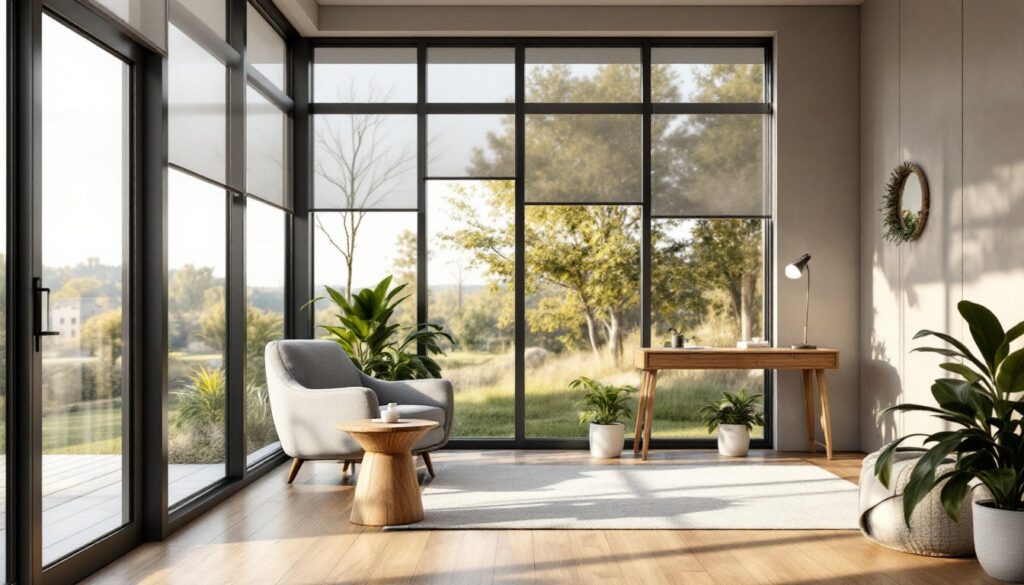
Define a work zone with task lighting (a desk lamp), a comfortable chair, and minimal distractions. Face the desk toward a window if possible for natural light and a view. The relaxation zone centers on the bed and maybe a comfortable chair for reading. Use area rugs to anchor zones, a rug under the bed and one under a seating area (if space permits) creates visual separation.
Storage is crucial. Nightstands with drawers, an upholstered bench with lift-top storage, or a dresser keep personal items hidden. Hotels use wall-mounted shelving and hooks (often disguised as decorative elements) to save floor space. If your room doubles as an office, a room divider or curtain can visually separate work and sleep zones. This psychological boundary helps both focus and rest.
Conclusion
Hotel room interior design proves that luxury doesn’t require expense, it requires intention. Start by choosing a neutral palette, layering your lighting, and selecting furniture scaled to your space. Invest in quality textiles, accessorize sparingly, and create distinct zones for work and rest. Professional designers and sources like Homedit offer endless inspiration, but the underlying principle remains simple: every choice serves comfort, function, or beauty, and ideally all three. Your home should feel as welcoming and intentional as the finest hotel suite.