
Table of Contents
ToggleApartment living doesn’t mean settling for cramped, cluttered, or uninspiring spaces. Whether you’re renting or own your unit, smart interior design can transform even a studio into a sanctuary that feels spacious, cohesive, and entirely yours. The key isn’t expensive furniture or professional decorators, it’s strategy. By understanding how to work with limited square footage, you can maximize function, flow, and style without gut renovations or landlord headaches. This guide walks through practical, achievable changes that deliver real results in apartment interiors.
Key Takeaways
- Smart furniture placement and accurate floor planning are essential to interior design for apartments—measure first and float furniture away from walls to create intentional spaces and improve visual flow.
- A cohesive color palette of neutrals with 2–3 accent colors, paired with layered lighting (overhead, task, and ambient), transforms apartments and makes rooms feel larger and brighter.
- Vertical storage solutions like tall bookcases and wall-mounted shelves maximize limited square footage while drawing the eye upward and making rooms feel taller.
- Rugs, mirrors, and textiles define spaces, absorb sound in shared-wall apartments, and add personality without permanent commitment—large mirrors opposite windows amplify light and create depth.
- Plants, art, and carefully curated accessories inject life and personal touches into apartments without requiring expensive renovations or professional decorators.
- Multi-functional furniture such as storage ottomans, nesting tables, and credenzas hide clutter while serving multiple purposes—essential for making every square foot count in apartment living.
Maximize Your Layout With Smart Furniture Placement
The first move in apartment interior design is to measure your space and sketch a rough floor plan. This sounds basic, but most people eyeball it and end up with a sofa that blocks the light or a table that kills walkways. Grab a tape measure, note doorways, windows, and outlets, and use free tools like Floorplanner or even graph paper to test arrangements before moving a single piece.
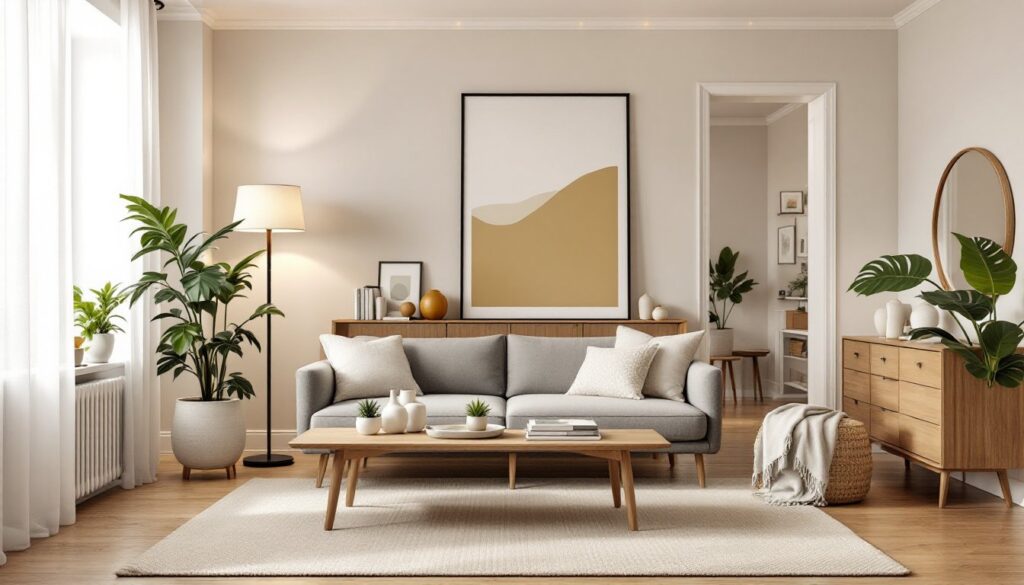
Float your furniture away from walls. In small apartments, pushing everything to the perimeter is instinct, but it shrinks the room visually and wastes the center. A sofa pulled 12–18 inches from the wall, paired with a coffee table and a seating area rug, creates intimacy and makes the space feel intentional. This also works in bedrooms: floating your bed with a small nightstand on either side beats pushing it into a corner.
Choose appropriately scaled pieces. A sectional designed for a suburban living room will swallow an apartment. Opt for a loveseat, apartment-sized sofa (72–78 inches), or modular pieces that let you customize the footprint. The same applies to dining: a round table or compact console saves space and allows easier movement than a large rectangular option. Nesting tables and storage ottomans do double duty, offering surfaces and hidden storage without bulk.
Vertical storage is your ally. Tall bookcases, wall-mounted shelves, and floor-to-ceiling cabinets draw the eye upward and make rooms feel taller. This is especially powerful in Interior Design for Beginners: kitchens and bedrooms, where counter and floor space is precious.
Choose a Cohesive Color Palette and Lighting Design
A cohesive color palette unifies small spaces and makes them feel intentional rather than cluttered. Start with a neutral base, soft whites, grays, or warm taupes, for walls and larger furniture. This doesn’t mean boring: these neutrals range from creamy to cool, and they anchor the room. Then layer 2–3 accent colors through textiles, art, and accessories. Stick to this palette throughout the apartment to avoid visual chaos.
Lighting transforms apartments more than most realize. A single overhead fixture or small lamps won’t cut it. Layer your lighting: overhead for general illumination, task lighting (desk lamp, under-cabinet strips) for function, and ambient lighting (floor lamps, wall sconces, string lights) for mood. Warm white bulbs (2700K color temperature) feel cozy: cooler tones can feel institutional in apartments. LED options save energy and last longer, making them worth the upfront cost.
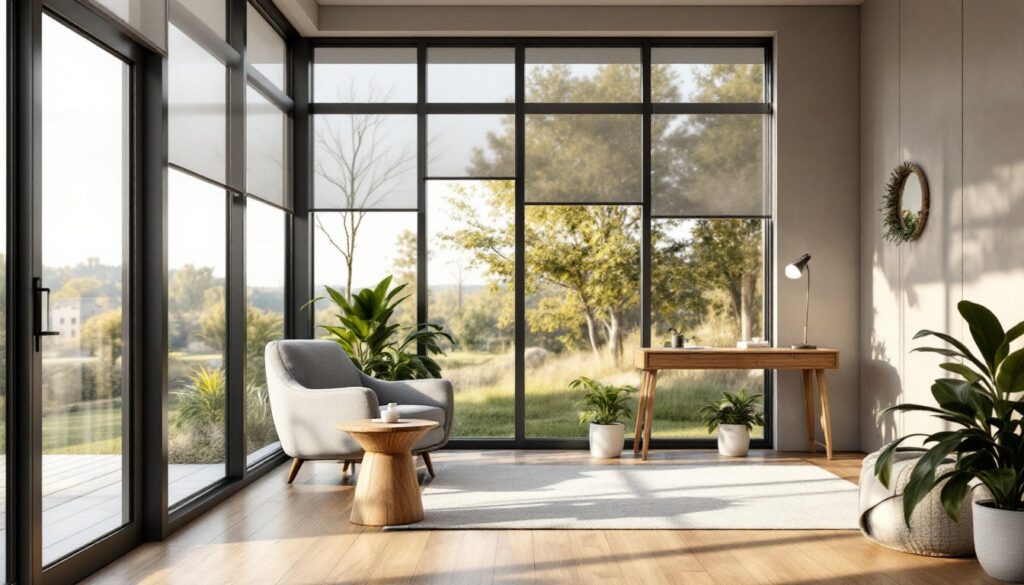
Natural light is precious real estate. Keep windows uncluttered with simple curtains or sheer panels that filter light without blocking it. Sheer linen panels in white or soft gray let you control glare while maintaining brightness and sight lines to the outside. If privacy is an issue, consider top-down/bottom-up cellular shades that let you control which parts of the window stay exposed.
Mirrors placed opposite or near windows bounce light and create the illusion of depth. This is a no-cost-to-low-cost move that makes apartments feel larger and brighter. Wall sconces on either side of a mirror amplify the effect and add layers of light without requiring floor or table space.
Add Storage Solutions That Double as Décor
Storage in apartments isn’t negotiable, it’s survival. But visible storage racks and plastic bins don’t support good interior design. Instead, invest in pieces that hide clutter while adding style. Credenzas, console tables with drawers, and low storage cabinets provide hidden storage and serve as surfaces for lamps, plants, or artwork. In bedrooms, under-bed storage in shallow drawers or bins keeps seasonal items out of sight without eating floor space.
Open shelving works if styled intentionally. Arrange books, small plants, framed photos, and objects in odd-numbered groups (rules of three, five, or seven) and leave breathing room between items. Avoid the “shelf as storage dump” trap: overstuffed shelves feel stressful and cramped. If you can’t curate, closed storage is better than messy open shelves.
Wall-mounted shelves, particularly in entryways, kitchens, and home offices, reclaim vertical real estate. Floating shelves in natural wood or painted finishes anchor a wall without visual weight. Pair them with lighting (small picture lights or strip LEDs) to highlight objects and add ambiance. Built-in solutions like over-toilet shelving or corner cabinets maximize often-wasted areas.
Don’t overlook hidden storage in footstools, ottomans, and coffee tables. These work in living rooms and bedrooms, offering both seating and concealment for blankets, remotes, or throw pillows. Interior Design Tips to often highlight the value of multi-functional furniture, which is essential in apartments where every square foot counts.
Use Mirrors, Rugs, and Textiles to Define Spaces
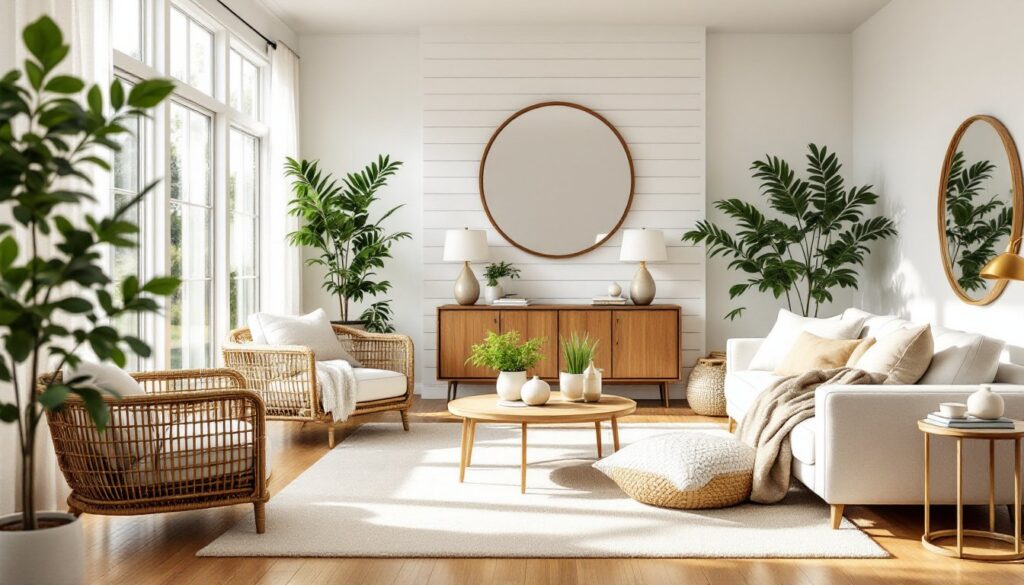
Rugs do more than soften flooring, they anchor furniture groupings, define zones, and add color without permanent commitment. In an open-concept apartment, a rug under the seating area establishes the living room: another rug in the dining zone creates separation. Choose rugs sized to fit the furniture: a 5×7 or 6×9 rug works for most apartment living rooms, while smaller accent rugs (3×5) suit bedrooms or home offices. Natural fibers like jute or sisal add texture and warmth underfoot.
Textiles, throw blankets, pillows, and curtains, inject personality and warmth while breaking up hard surfaces. Soft furnishings also absorb sound, which is a practical win in apartments with shared walls. Layer patterns thoughtfully: if your sofa is solid, use patterned pillows: if your rug has a pattern, keep textiles more subdued. Stick to your color palette to maintain cohesion.
Mirrors deserve their own strategy. A large leaning mirror propped against a wall or hung vertically multiplies perceived space and bounces light. Mirrored furniture (a side table with a mirrored top, for example) adds shine and visual interest without taking up more footprint. Small mirrors in clusters on a wall create a gallery effect while lightening the visual weight of a large blank surface.
Curtains and drapes shape rooms more than you’d expect. Floor-to-ceiling curtain rods (hung 4–6 inches above the window frame) make ceilings feel higher. Lightweight fabrics in whites, grays, or soft colors maintain brightness while adding softness. Avoid heavy, dark curtains in small apartments: they close in the space and reduce perceived light.
Incorporate Plants and Greenery for Life and Freshness
Plants bring apartments to life in ways that are both aesthetic and psychological. Even one large floor plant (like a fiddle leaf fig, monstera, or peace lily) in a corner or beside a window commands attention and softens hard edges. Smaller plants on shelves, windowsills, or hung from plant hangers add pops of color without eating floor space. If you don’t have a sunny south-facing window, low-light varieties like pothos, ZZ plants, or snake plants thrive in apartments.
Plant styling matters too. Pots in neutral tones (white, black, terracotta, or woven materials) align with apartment design sensibilities. Avoid overly cutesy or overly industrial pots that clash with your palette. Grouping smaller plants on shelves or plant stands creates visual interest: a single large plant in a corner makes a bold statement with minimal clutter.
Plants also improve air quality and humidity, which is genuinely helpful in apartments with HVAC systems that can dry out the air. They also mask ambient noise from shared walls and hallways. Even if you don’t consider yourself a plant person, start with one hardy specimen and a regular watering schedule. Success builds confidence.
Greenery doesn’t have to be living plants. Dried pampas grass, eucalyptus, or faux botanicals work beautifully in low-light areas or if you travel frequently. Just ensure they look intentional and complement your color scheme rather than feeling like a decorating shortcut.
Personalize With Art and Accessories on a Budget
Your apartment needs to reflect you, not an Airbnb template. Art does that work efficiently. A single large statement piece (36×48 inches or bigger) or a gallery wall of smaller prints personalizes without overwhelming. Choose art that resonates: photos, prints, paintings, or mixed media. Frame it consistently (similar frame finishes and styles tie a gallery wall together) or lean unframed canvas prints for a modern approach.
Budget matters. Affordable art sources include online marketplaces, local artists, museum poster sales, or even framing favorite photographs or magazine clippings. Avoid generic mass-produced art that screams “decorator” unless it genuinely speaks to you. The goal is authenticity, not perfection.
Accessories, candles, books, decorative objects, deserve editing. Too many trinkets create visual clutter: a carefully curated collection tells a story. Display things you actually use or love: a collection of ceramics, travel souvenirs, or meaningful gifts arranged on shelves or side tables. Leave white space around items so they breathe.
Personal touches in apartments matter because you’re claiming the space. Hang a beloved poster, display family photos, keep your favorite books visible. These details make an apartment feel like home rather than a temporary way station. Resources like Apartment Therapy and Homedit offer endless budget-friendly styling inspiration, proving that personality doesn’t require deep pockets. Check Interior Design Ideas to for more tailored approaches to personalizing on your specific terms.
Conclusion
Apartment interior design is about working within constraints to create a space that feels intentional, cohesive, and distinctly yours. You don’t need a decorator, unlimited budget, or even to own your space to transform it. Smart furniture placement, a unified color palette, strategic lighting, hidden storage, layered textiles, greenery, and personal touches, these fundamentals apply to any apartment. Start with one or two changes, see how they land, and build from there. Small spaces don’t limit design: they just demand strategy. Your apartment sanctuary is entirely within reach.